What Is the Best Food for Parakeets
The best food for your parakeet starts with high-quality pellets like Lafeber Premium Daily Diet or Harrison’s Adult Lifetime Super Fine, making up 75–100% of their diet for balanced nutrition. Add daily servings of fresh, washed veggies-kale, carrots, bell peppers-and offer fruits like blueberries 2–3 times weekly. Include a cuttlebone for calcium, limit millet to once a week, and avoid avocado, chives, and dried fruit. You’ll soon see how these choices support vibrant health and energy.
We are supported by our audience. When you purchase through links on our site, we may earn an affiliate commission, at no extra cost for you. Learn more. Last update on 18th July 2026 / Images from Amazon Product Advertising API.
Notable Insights
- A high-quality pellet diet should make up 75–100% of a parakeet’s daily nutrition for balanced vitamins and minerals.
- Feed fresh, raw, washed vegetables like kale and carrots daily to support immune and feather health.
- Offer fruits such as blueberries or apple 2–3 times weekly in small portions to limit sugar intake.
- Provide safe treats like millet once weekly and raw unsalted nuts in tiny amounts for enrichment.
- Avoid toxic foods including avocado, chives, and dried fruits due to risks of poisoning and illness.
Pellets: The Foundation of a Healthy Parakeet Diet
While seeds might be what you traditionally picture in a parakeet’s bowl, switching to a pellet-based diet is one of the best things you can do for your bird’s long-term health. Pelleted diets, like Lafeber Premium Daily Diet and ZuPreem Natural Daily Small Bird Food, meet your parakeet’s nutritional needs by providing essential vitamins, minerals, and amino acids in balanced nutrition. High-quality pellets avoid fillers and artificial additives, supporting longer lifespans and fewer health issues. Brands such as Harrison Bird Food Adult Lifetime Super Fine offer certified organic, non-GMO pellets trusted by avian veterinarians. Pellets like ZuPreem FruitBlend also include natural fruit ingredients for enrichment and appeal. Shifting parakeets takes about six weeks, but consistency secures success. Aim for 75–100% of your bird’s diet to be pellet diet-this foundation keeps your budgie thriving.
Daily Fresh Foods: Vegetables and Fruits for Health and Stimulation
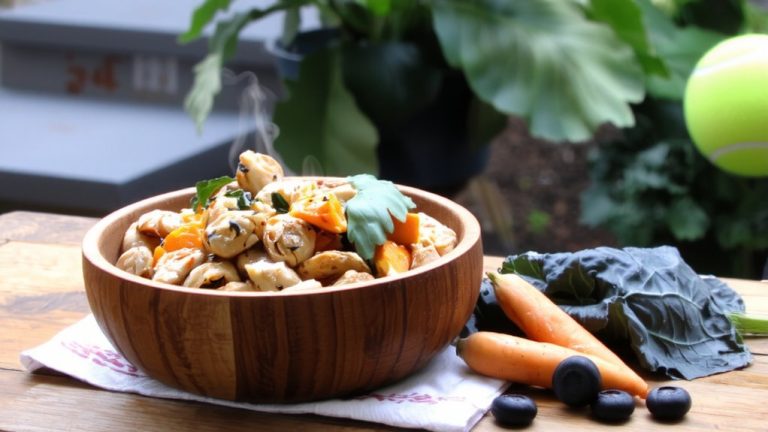
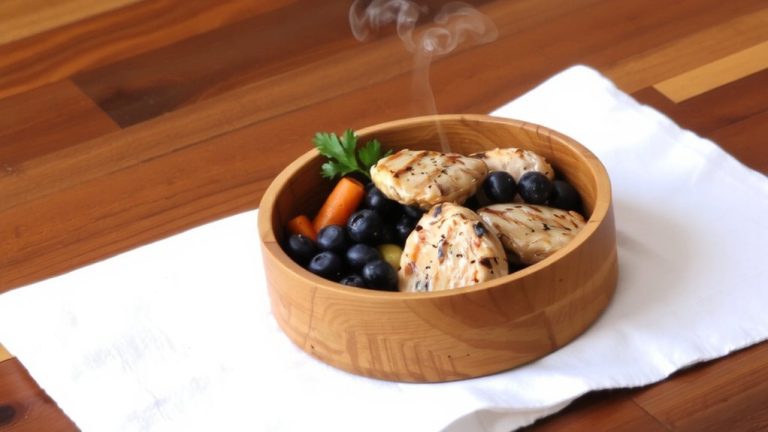
A daily portion of fresh vegetables like kale, spinach, carrots, and bell peppers keeps your parakeet’s immune system strong and feathers vibrant thanks to their rich vitamin A content, and offering these raw, washed, and chopped into bite-sized pieces guarantees your bird gets the full nutritional benefit without risk of pesticides or spoilage. Parakeets need daily fresh foods as a key source of nutrition in their diet, with fresh fruits and vegetables like apples, blueberries, and watermelon added in small amounts two to three times weekly. Always provide fresh water, remove uneaten produce by day’s end, and avoid unsafe foods like avocado or onion. While herbs like cilantro and basil add sensory variety, parsley should be limited. Your parakeet’s diet thrives on consistency, balance, and clean, raw offerings-making fresh fruits and vegetables an essential, daily component.
Healthy Treats and Supplements: Millet, Nuts, and Calcium Sources
Since your parakeet thrives on variety and balance, you’ll want to offer treats like millet spray just once a week-its high-fat content and low nutrient profile mean it’s best as an occasional reward, not a staple. For healthy treats, try small amounts of raw unsalted almonds, cashews, or hazelnuts-about ½ teaspoon per bird weekly-to support energy and feather health. Dried mealworms, offered 1–2 worms a few times a week, are excellent protein-rich supplements, especially during molting. Always include calcium sources like a cuttlebone, such as the Penn-Plax Bird-Life Natural E, in the cage full-time to boost bone strength and wear down beaks. These parakeet food add-ons enhance nutrition without replacing base diets. Parakeets enjoy the enrichment, and you’ll appreciate how these supplements promote longevity and vigor in your bird’s daily routine.
Toxic Foods to Avoid: Avocado, Chives, and High-Sugar Dried Fruit
If you’re aiming to keep your parakeet healthy and safe, it’s critical to know that some foods commonly found in kitchens can be deadly-even in small amounts. Avocado contains persin, a toxin that can cause respiratory distress and sudden death, making it highly toxic to parakeets. Chives, like other alliums, destroy red blood cells and can lead to anemia, so avoid feeding them entirely. Dried fruits such as raisins, dates, and sultanas are extremely high-sugar and linked to obesity and fatty liver disease. Even unsulfured, organic dried fruits like apricots have concentrated sugar levels that exceed safe intake, reducing their nutritional value as treats. High-sugar fruit can parakeets digest occasionally? Maybe, but it’s risky. Instead of loading up on dried fruits, stick to fresh veggies and a quality seed mix. Always prioritize safety over convenience.
On a final note
You’ve got this: feed your parakeet a base of high-quality pellets-at least 60% of their diet-for balanced nutrition. Add daily fresh veggies like kale and carrots, plus small fruit pieces for hydration and enrichment. Offer millet sprays as an occasional treat, not a staple. Always avoid avocado, chives, and sugary dried fruits. Fresh water, a cuttlebone for calcium, and clean feeding dishes daily keep your bird thriving, healthy, and lively.