What Is the Best Exotic Pet to Own
You’ll find leopard geckos ideal if you live in an apartment or are new to exotic pets-they need just a 20-gallon tank, a heat gradient, and weekly feeding of live insects like crickets or mealworms. They’re calm, easy to handle, and don’t demand constant attention. Plus, they’re quiet and low-odor, making them perfect for small spaces. With the right setup and a vet who specializes in reptiles, they can thrive for 15+ years. You’ll discover even better care tips and species comparisons as you explore further.
We are supported by our audience. When you purchase through links on our site, we may earn an affiliate commission, at no extra cost for you. Learn more. Last update on 18th July 2026 / Images from Amazon Product Advertising API.
Notable Insights
- Leopard geckos are ideal for beginners and apartment living due to their low space and maintenance needs.
- Hamsters are quiet, hypoallergenic pets that thrive in small cages with minimal care requirements.
- Betta fish are low-maintenance aquarium pets that adapt well to apartment life in a 5-gallon tank.
- Tarantulas require almost no daily interaction and are suitable for those seeking hands-off exotic pets.
- Hermit crabs are low-maintenance and independent, needing a small tank and minimal handling.
Is an Exotic Pet Right for Your Life?
While you might be drawn to the unique charm of exotic pets, it’s important to make sure your lifestyle can meet their specific needs-these animals aren’t just smaller or quieter versions of cats and dogs, but come with their own set of care requirements, from precise temperature gradients to specialized diets. As an exotic pet owner, you’ll need to do a lot of research to determine which species fit your schedule and space. Some animals, like leopard geckos, are considered exotic yet relatively easy to care for and ideal pet for someone who lives in an apartment. They’re easy to handle, low maintenance, and don’t require large enclosures. But others, like primates or Fennec foxes, require large, complex habitats and constant enrichment. Always make sure you have access to skilled veterinary care, as not all clinics treat animals considered exotic.
5 Lowest-Maintenance Exotic Pets for First-Time Owners
If you’re keen to start with an exotic pet but want something manageable, several low-maintenance pets thrive with minimal intervention and are perfect for beginners. Hamsters are some of the easiest exotic small mammals, needing just a 2-cubic-foot cage, a simple diet, and little mental stimulation. They’re quiet, clean, and hypoallergenic-ideal for compact spaces. Hermit crabs require a 10- to 20-gallon tank, multiple shells, and minimal handling, making them great low-maintenance pets you can leave briefly. Leopard geckos need a heat gradient and insect-based diet, while bettas thrive in a 5-gallon tank with stable water. Tarantulas, though not for everyone, demand almost no interaction. Unlike guinea pigs, which need more space and frequent medical treatment, these options avoid the need for a large cage or complex care.
The Real Problems With Common Exotic Pets
Just because a pet looks adorable in a viral video doesn’t mean it’s suited for life in your home, and you’ll save yourself a lot of stress by recognizing that many common exotic pets come with hidden challenges. That cute fennec fox? It’s a truly exotic animal, difficult to care for and prone to destructive behaviors. Sugar gliders and flying squirrel “friends” need constant social interaction-kept alone, they suffer. Primates seem smart and affectionate, but they care require 24/7 attention, often turning aggressive. Large cats like savannahs, especially F1–F3, retain wild instincts, tearing up furniture and stressing easily. Even reptiles like chameleons need UVB lighting, 65–75% humidity, and live feeders daily. Most people underestimate how much work an exotic pet actually is. These animals aren’t just unusual companions-they’re lifelong commitments with complex needs most homes can’t meet.
How to Find a Vet for Your Exotic Pet
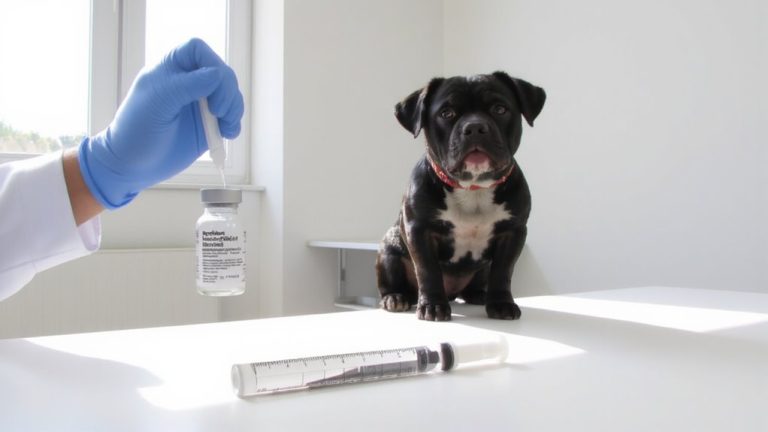
Finding the right vet for your exotic pet isn’t just about convenience-it’s an essential part of keeping your animal healthy and thriving. Not every vet can provide proper care, since most U.S. schools focus on cats, dogs, and large animals. Exotic pets like guinea pigs, reptiles, and birds require specialized knowledge, so you’ll need a vet with extra training. Look for clinics that explicitly list exotic species they treat-this makes things easy when emergencies arise. United Veterinary Center, for example, offers diet planning, vaccines, and urgent care tailored to exotic pets. Accessibility and appointment availability matter too, especially for consistent check-ups. As an exotic pet owner, doing your research now can make a big difference later. A qualified vet guarantees your pet stays healthy, whether it’s at home or needs unexpected medical support.
On a final note
You’ve got this, and with the right prep, your exotic pet will thrive. Pick a species that fits your routine, like a leopard gecko or Russian tortoise, both hardy and low-maintenance. Feed complete diets-think Repashy grub pie or Zoo Med pellets-and maintain 75–85°F with a reliable Zoo Guard thermostat. Weekly misting, clean enclosures, and annual vet checks at an exotic specialist keep health on track. Observe behavior daily; subtle changes matter. You’re not just owning a pet-you’re building a habitat, and that makes all the difference.