Top Ten Best Pets
You’ll love dogs like French Bulldogs, perfect for active families with their loyalty and energy, needing $367 yearly vet care and daily walks. Cats offer affection with independence, thriving indoors on $300+ in food annually. Freshwater fish, like cardinal tetras, suit small spaces in 10-gallon tanks with weekly 25% water changes. For curious beginners, bearded dragons need UVB lighting, collard greens, and live insects, while hamsters teach responsibility in 24-inch cages. Birds bond deeply with one hour daily out-of-cage time, and horses reward rural caretakers with loyalty, demanding a 400-square-foot dry lot and 10–20 pounds of forage daily-there’s more to match your life to each pet’s unique needs.
We are supported by our audience. When you purchase through links on our site, we may earn an affiliate commission, at no extra cost for you. Learn more. Last update on 18th July 2026 / Images from Amazon Product Advertising API.
Notable Insights
- Dogs like French Bulldogs are great for active families, with 65.1 million U.S. households owning them.
- Cats offer affectionate, low-demand companionship and live 15+ years indoors, owned by 46.5 million U.S. households.
- Fish thrive in small spaces; freshwater tanks need filters and 25% water changes every two weeks.
- Birds such as budgies and cockatiels require daily interaction and mental stimulation to prevent loneliness.
- Rabbits are social, litter-trainable pets with up to 12-year lifespans when kept indoors.
Dogs: Loyal Companions for Active Families
While they’ve long been cherished for their devotion and energy, dogs truly shine as ideal companions for active families who want a pet that thrives on interaction and routine. As the most popular dog choice in the U.S., pet dogs like the French Bulldog-now topping the pack-offer loyalty and adaptability. With 65.1 million households sharing their lives with dogs, it’s clear these loyal companions fit diverse lifestyles. You’ll invest around $367 yearly on vet care, $339 on food, and $99 on grooming, so budget matters. But the payoff is a best friend who bonds deeply, especially when trained with reward-based training. This method, backed by the American Veterinary Society of Animal Behavior, sharpens obedience and strengthens your connection. Dogs historically served as hunters and guardians, and today, they remain perfect for active families seeking a dependable, intelligent partner. Their needs are clear-consistent care, nutrition, and daily engagement-and meeting them builds lasting trust.
Cats: Affectionate and Independent Housemates
You’ll find cats to be both affectionate and self-reliant, making them ideal housemates if you value companionship without constant demands, and with 46.5 million U.S. households sharing their homes with *Felis catus*, it’s no surprise they rank as the second most popular pet. These pets show affection through purring, kneading, and curling up in cozy spots-even taped squares. Though often called low-maintenance pets, cats still need daily play, climbing structures, and puzzle feeders to stay mentally sharp. Indoor cats live longer, healthier lives, often 15+ years, and help protect birds by staying inside. The American Veterinary Medical Association notes pet ownership includes yearly costs-$300+ for food, $150+ for routine vet visits. For balanced nutrition, feed high-protein, grain-free kibble or wet food daily. Cats thrive in enriched environments with scratching posts and window perches, making them loving, practical choices among household pets.
Freshwater Fish: Easy-Care Swimmers for Small Spaces
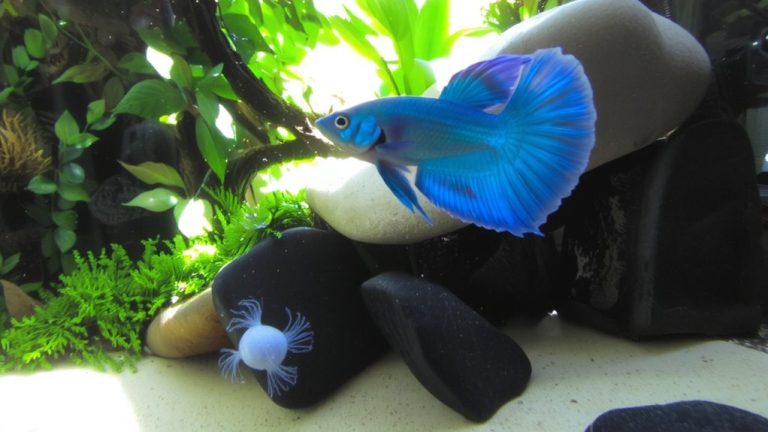
If you’re looking for a pet that fits neatly into a smaller living space without sacrificing charm, freshwater fish deliver in more ways than most expect, and with 11.1 million U.S. households maintaining aquariums, they’re a proven favorite. These easy-care swimmers thrive in tanks as small as 10 gallons, making them ideal for small spaces. You’ll need a reliable filtration system, an air pump, and consistent lighting to maintain proper water quality. Freshwater fish like cardinal tetras-hardy relatives of saltwater cardinalfish-are excellent beginner pets. With thoughtful aquascaping using live plants and natural décor, your aquarium becomes more than a display-it’s a balanced ecosystem. Regular 25% water changes every two weeks keep conditions stable. LED lighting on a 6–8 hour cycle supports plant growth and fish health. Done right, your freshwater aquarium isn’t just low maintenance-it’s a calming, living feature in any home.
Birds: Long-Lived, Talkative Pets That Bond Deeply
Though they’re often small in size, birds make a big impact as pets, forming deep bonds with their owners and bringing life to any home with their chatter, charm, and intelligence, and with over 6.1 million U.S. households sharing their space with feathered companions, it’s easy to see why species like budgies, cockatiels, and African grey parrots are so popular. As social animals, they thrive on daily interaction-without it, they can become bored or stressed. You’ll need to let your bird out for at least an hour a day, or keep a pair to prevent loneliness. They’re beautiful to look at, with vibrant feathers and lively expressions, and some bird species even mimic speech; African greys are famously intelligent. According to the American Veterinary Medical Association, proper diet, mental stimulation, and clean cages are key to health. Longevity varies-cockatiels live 15–25 years, while large parrots can exceed 60. If you’re passionate about animals, a bird might be the perfect pet.
Rabbits: Litter-Trainable Hoppers for Indoor Homes
A rabbit makes an excellent indoor pet, combining intelligence, charm, and surprising trainability in a compact, soft-furred package, and with proper care, they can live up to 12 years-twice as long as their outdoor caged counterparts, who typically survive only 3 to 5 years. You’ll find pet rabbits adapt well to indoor homes, where they’re safer, healthier, and more engaged. Most rabbits can be litter box trained using a simple tray with paper-based litter, hay, and consistency-many are reliably clean within weeks. As social animals, they thrive with companionship, ideally housed in pairs to prevent loneliness. Over 1 million U.S. households now enjoy rabbits as part of the family, offering daily interaction, moderate grooming, and a quiet presence. Feed them quality hay, leafy greens, and limited pellets, and provide chew toys to manage ever-growing teeth. With space to hop and daily enrichment, your rabbit stays active, content, and fully integrated into home life.
Guinea Pigs: Gentle, Social Pets Kids Can Love
You might already love the quiet charm of rabbits, but guinea pigs bring a different kind of joy-lively, vocal, and deeply social, they’re perfect for families wanting a pet kids can easily bond with, and they’ve been winning hearts since their domestication over 3,000 years ago in the Andes, where they started as a food source before becoming household companions in the 1800s. Guinea pigs are gentle, social, and among the Best starter pets, especially for kids. According to the American Pet Products Association, over 1 million U.S. homes have guinea pigs, ranking them among the most popular pets. They thrive with companions, so always keep at least two.
| Feature | Detail |
|---|---|
| Weight | 1–3 lbs |
| Length | 8–16 inches |
| Lifespan | 5–7 years |
| Diet | Hay, veggies, vitamin C |
| Social Needs | Must have a cage mate |
Hamsters: Nocturnal Cuties That Teach Responsibility
While they’re small and mostly active after dark, hamsters make engaging pets that fit well into many households, especially when you’re looking for a low-space companion that still offers plenty of personality. Hamsters, especially the Syrian golden hamster, are popular starter pets that teach responsibility through daily feeding, weekly cage cleaning, and consistent handling. They’re nocturnal, so expect activity at night-ideal if you’re home in the evening to interact. These creatures thrive in minimal space, needing just a 24-inch-long cage with bedding, tunnels, and a solid-surface wheel. Despite their incredibly low maintenance reputation, they require fresh water, a balanced pelleted diet, and occasional veggies. With lifespans of 2–3 years, they’re a short-term commitment with big rewards, offering kids and adults alike a chance to practice care, observe natural behaviors, and build trust.
Leopard Geckos and Bearded Dragons: Beginner-Friendly Reptiles
Moving from small mammals to scaly companions, leopard geckos and bearded dragons stand out as top reptile choices for first-time owners who want an engaging pet without overwhelming complexity. These beginner-friendly reptiles are low-maintenance, with leopard geckos needing minimal habitat maintenance, a heat lamp, and simple hiding spots in a 20-gallon tank. They don’t climb walls, so escape risk is low, and they eat crickets or mealworms every one to two days. Bearded dragons require more space and complex setups, including UVB lighting and a temperature gradient, but their docile behavior makes them easy to handle. They thrive on an omnivorous diet-daily veggies like collard greens and bell peppers, plus live insects. With proper UVB lighting and consistent feeding, both species stay healthy, active, and responsive, making them ideal starter reptiles for curious caregivers.
Saltwater Fish: Stunning but High-Maintenance Displays
Though they’re not for everyone, saltwater fish bring a living slice of the ocean into your home, with dazzling colors and dynamic behaviors that freshwater tanks often can’t match-just know they come with a steeper learning curve. If you’re up for the challenge, a saltwater aquarium offers exotic species like clownfish, angelfish, and blue tangs, all thriving in a carefully balanced environment. You’ll need to monitor water chemistry daily, keeping pH between 8.1–8.4 and salinity stable. Protein skimmers remove waste before it breaks down, while live rock provides natural filtration and hiding spots. Many beginners start with cardinalfish-they’re hardy, adapt well, and handle shipping stress better than most. With proper lighting, consistent temperature (76–80°F), and reliable equipment, your tank can become a vibrant underwater display that’s as rewarding as it is stunning.
Horses: Rewarding but Demanding for Rural Owners
Since they form strong bonds and rely on routine, you’ll need to commit to daily care if you’re bringing a horse into your life, especially in a rural setting where space and resources allow. Horses are herd animals, so they depend on social interaction-you or another horse-for emotional health. As a rural owner, you must provide at least a 400-square-foot dry lot and a 72-square-foot shelter to protect them from wind, rain, and sun. An average 1,000-pound horse eats 10–20 pounds of forage daily, often with grain supplements for balanced nutrition. Daily care includes feeding, cleaning, hoof picking, and checking for injury or illness. These large animals need ample turnout and companionship to stay calm and healthy. Due to their size and needs, horses are best suited for rural owners with enough land, time, and budget for proper upkeep and vet care.
On a final note
You’ve got options, and each pet fits a different life. Dogs need daily walks and high-protein kibble-testers love Blue Buffalo’s Life Protection Formula. Cats thrive on routine, quality wet food, and a $30 litter box. Small pets like hamsters do well in 24-inch cages with timothy hay. Reptiles require 12-hour UVB lighting and precise humidity. Always schedule yearly vet checks, provide fresh water in 16-oz bowls, and monitor behavior changes-they’re often the first health clue.