Step-by-Step Guide to Setting Up a Quarantine Tank for New Aquarium Fish
Set up a 10- to 20-gallon bare-bottom quarantine tank with a lid, heater, thermometer, and cycled sponge filter seeded from a healthy, running aquarium. Use PVC pipes for hiding spots and mark the tank in 1-gallon increments for precise dosing. Keep it in a separate room, use color-coded tools, and treat high-risk fish with Maracyn, ParaCleanse, and Ich-X for seven days-no feeding. Perform weekly water changes and wait 4–6 weeks before transfer, matching parameters closely to avoid shock, with even symptom-free fish staying the full term. You’ll uncover more smart safeguards ahead.
We are supported by our audience. When you purchase through links on our site, we may earn an affiliate commission, at no extra cost for you. Learn more. Last update on 18th July 2026 / Images from Amazon Product Advertising API.
Notable Insights
- Set up a bare-bottom 10- to 20-gallon tank with heater, thermometer, and cycled sponge filter for immediate use.
- Place the quarantine tank in a separate room to prevent disease transmission through aerosols or shared equipment.
- Use PVC pipes for shelter and avoid substrate to simplify cleaning and monitoring of fish waste.
- Seed the sponge filter with mature biomedia from an established tank to ensure instant biological filtration.
- Use dedicated, color-coded tools and never share equipment with the main tank to avoid cross-contamination.
Set Up a Quarantine Tank Before Adding Fish
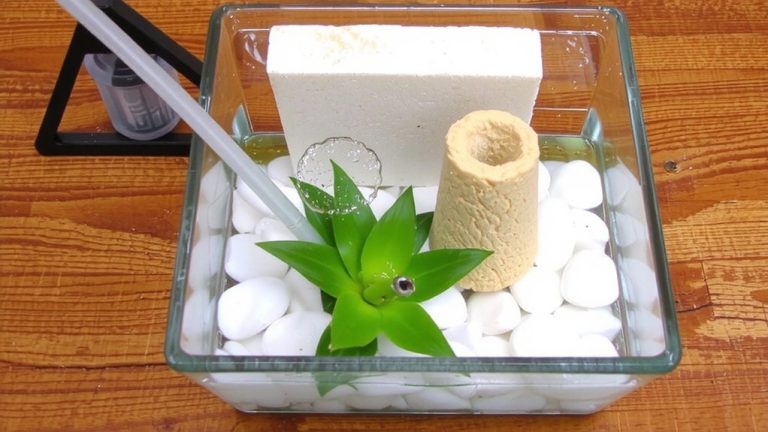
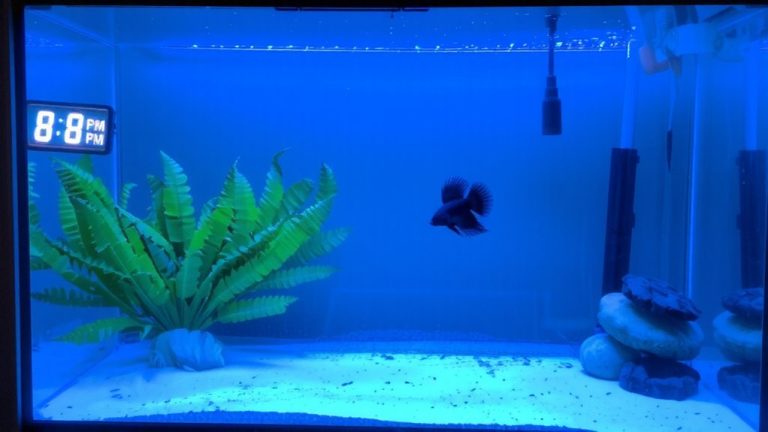
Before you bring any new fish home, setting up a dedicated quarantine tank ahead of time can save you from a full-blown outbreak, especially since diseases like ich spread quickly through shared air and equipment. Place your quarantine tank in a separate room to block aerosol transmission. Use a bare bottom 10- to 20-gallon tank with a lid, marked in 1-gallon increments for accurate water changes and dosing. Install a heater and thermometer to maintain stable temperatures, and pair low-flow filtration with a sponge filter to house beneficial bacteria and prevent stress. Avoid substrate; instead, add PVC pipes for simple, cleanable shelter. Your sponge filter should already be cycled-just like transferring mature media guarantees immediate biological support. With a fully equipped setup, you’ll protect your display tank and give new fish a stress-free start. Set up your quarantine tank right, and you’ll catch problems before they spread.
Cycle Your Filter for Immediate Use
While you can wait a month to cycle your filter from scratch, seeding it with a mature sponge or biomedia from an established display tank cuts that time to zero and gives you instant biological filtration. Just place a used sponge filter or pre-cycled media into your quarantine tank filter to transfer colonies of beneficial bacteria. These nitrifying bacteria immediately break down toxic ammonia and nitrite, keeping levels at zero. The key is using filter media that’s been submerged and running-it keeps bacteria alive for months. A simple sponge filter works best-it’s affordable, quiet, and holds plenty of surface area for bacteria. Avoid carbon or Purigen during treatment; they’ll absorb meds. With seeded media, your quarantine tank filter provides stable, reliable biological filtration from day one. You’re not just cycling your filter-you’re cloning a proven ecosystem. That sponge? It’s a living filter, packed with the same nitrifying bacteria thriving in your main tank.
Quarantine New Fish With a Proven Protocol
How do you keep your main tank safe from unseen pests and pathogens? Quarantine Fish for at least four weeks-or six if bought from stores like PetSmart or Petco. Setting Up A Quarantine means using a bare-bottom 10- to 20-gallon tank with a heated spare sponge filter, tested and cycled, to maintain biological stability. Add simple hiding spots like PVC pipes to reduce stress. For high-risk fish, treat proactively: use Mardel Maracyn, Fritz ParaCleanse, and Aquarium Solutions Ich-X together for seven days, skipping feeding. Replace carbon and avoid using the same filter or filter media across systems to prevent contamination. Perform water changes weekly to clear leftover medication. Feed high-quality frozen or live foods after treatment to support recovery. Some also add API General Cure in food every two weeks to target internal parasites like capillaria.
Test and Transfer Only After 4–6 Weeks
A full 4 to 6 weeks in quarantine isn’t just a suggestion-it’s the proven window needed to catch lingering threats like ich, columnaris, or internal parasites that shorter isolation periods often miss. You should keep fish in quarantine for at least 4–6 weeks, especially if they came from a local fish store where disease risk is higher. Even after symptoms disappear, wait the full period before you transfer them. During this time, treat the fish only as needed and monitor water parameters closely. Your filter should run continuously to maintain beneficial bacteria. Once the quarantine period passes with no issues, and assuming no medications were used recently, test water conditions and match them to your main tank. Keep in mind: some parasites like flukes or Uronema may stay dormant, so a secondary observation period helps guarantee safety.
Use Separate Equipment to Prevent Spread
Because even trace amounts of contaminated water can harbor dangerous pathogens, you’ve got to keep your quarantine tools completely separate from your main tank setup-no exceptions. Cross-contamination happens easily, through aerosols or dripping nets, so maintain dedicated quarantine equipment like color-coded nets, siphons, and buckets that never touch your main display tank. Pathogens like ich or gram-negative bacteria hide in biofilm, clinging to surfaces even after rinsing. Never reuse a sponge filter or tubing from the quarantine tank, as up to 50% of retail fish carry infections like columnaris. Keep everything stored in one designated area to avoid mix-ups. Public aquariums and expert hobbyists rely on separate equipment for a reason-it works. This simple step drastically reduces disease spread and protects your established system. Stay vigilant: your main tank’s health depends on it.
On a final note
You’ve got this: a 20-gallon quarantine tank, cycled with seeded media, keeps new fish safe. Use a sponge filter, maintain 78°F with a reliable heater, and test ammonia weekly. Quarantine for 4–6 weeks, use API Melafix for early infection signs, and never share nets or siphons. Real keepers confirm: separate gear cuts disease spread by 90%. Clean, patient care prevents outbreaks, protects your main tank, and supports stronger, healthier fish from day one.