Step-By-Step Guide to Cleaning Algae From Aquarium Glass Without Harming Fish
Unplug your heater, filter, and lights first to keep your fish safe. Use a stainless-steel algae scraper for glass tanks-make straight strokes from top to bottom, staying 0.5 cm from the corners to protect silicone seals. For acrylic, stick to a melamine sponge or plastic-blade cleaner. Tackle stubborn spots with a soft toothbrush or JBL Proscape glove, and apply 3% hydrogen peroxide directly to black beard algae using a dropper. After a 5-minute pause, resume normal operation. Siphon 25–33% of water, clean substrate, and refill with dechlorinated water to maintain nitrates below 50 ppm. Add nerite snails-1 to 2 per 5 gallons-for natural glass maintenance. You’ll also want to optimize lighting and feeding schedules for lasting clarity.
We are supported by our audience. When you purchase through links on our site, we may earn an affiliate commission, at no extra cost for you. Learn more. Last update on 13th July 2026 / Images from Amazon Product Advertising API.
Notable Insights
- Unplug heaters, filters, and lights before cleaning to ensure fish safety and prevent equipment damage.
- Use a stainless-steel algae scraper for glass tanks or a melamine sponge for acrylic to avoid scratching.
- Make straight, controlled strokes from surface to substrate, keeping 0.5 cm from corners to protect silicone seals.
- Apply 3% hydrogen peroxide with a dropper only to stubborn black beard algae, allowing 5 minutes before restarting equipment.
- Perform a 25–33% water change with dechlorinated water after cleaning to maintain safe ammonia, nitrite, and nitrate levels.
Unplug Devices and Gather Supplies
Before you start scrubbing, make sure to unplug heaters, filters, and lights to avoid electrical shocks or damaging sensitive equipment-safety always comes first. Once powered down, gather your aquarium-safe tools: an algae scraper for tough buildup, a melamine sponge for gentle surface cleaning, and a soft toothbrush for crevices. Have your siphon ready to remove debris and old water without stressing your fish. You’ll also want a clean bucket just for tank use. Keep dechlorinator on hand to safely treat replacement water-chlorine can harm gills and beneficial bacteria. Test kits should be nearby too, so you can verify parameters post-cleanup: aim for ammonia ≤0 ppm, nitrite ≤0 ppm, and nitrate ≤40 ppm. Using the right tools, like a Mag-Float or Eheim Rapid Cleaner, saves time and protects your tank’s balance. Prep matters-it sets the stage for a smooth, safe clean.
Scrape Algae Off Glass Safely
While tackling algae buildup, you’ll want to start with a glass-safe algae scraper featuring a stainless-steel blade, which efficiently clears stubborn green spot algae in smooth, straight strokes from the water’s surface down to the substrate. Keep the blade flat against the aquarium glass and maintain a 0.5cm gap from corners to protect silicone seals and prevent leaks. For acrylic tanks, skip the metal blade-use a melamine foam pad or plastic-blade cleaner instead to avoid scratches while still getting clean glass. Magnetic cleaners like the Mag-Float work well on unobstructed tanks up to their rated thickness, letting you clean from the outside. Always use tools designed specifically for aquariums to guarantee safety and effectiveness, and never reuse household scrubbers. With the right algae scraper and technique, you’ll remove algae without harming your tank’s integrity or inhabitants.
Clean Corners and Substrate Edges
When algae start sneaking into the tight spots along your tank’s corners and substrate line, grabbing the right tools makes all the difference. To clean corners effectively, use a soft brush like a soft-bristled toothbrush or the JBL Proscape cleaning glove to gently scrub algae from silicone seams without damaging the bonds. For the glass-substrate interface, slide an old plastic credit card at a 45-degree angle to lift debris and discolored buildup along substrate edges. The Green Aqua angled brush head helps target tight areas where algae and biofilm collect. Always keep cleaning tools at least 0.5 cm from corners to protect silicone seals. For light-colored substrates, mix in fresh material every few months to refresh the look and minimize visual dullness at the glass-substrate interface.
Safely Treat Tough Algae Naturally
If you’re dealing with stubborn black beard algae or hard-to-remove slime at the waterline, you’ll want effective solutions that won’t risk your tank’s ecosystem, and a few natural treatments have proven both safe and efficient. Apply a 3% hydrogen peroxide solution directly to BBA with a dropper-let it sit for 5 minutes before resuming normal operation. For the waterline, use white vinegar on a cloth as a DIY cleaner; never pour it in. A melamine foam pad, like Green Aqua, gently lifts film on glass or acrylic without scratches. Add nerite snails (1–2 per 5 gallons) to constantly graze algae. Pair this with weekly 25–30% water changes and substrate vacuuming to keep nitrates under 50 ppm. Though algae-eating fish help, they can’t replace diligent care. Dense aquarium plants also outcompete algae for nutrients, boosting long-term balance.
Change Water and Balance Nutrients
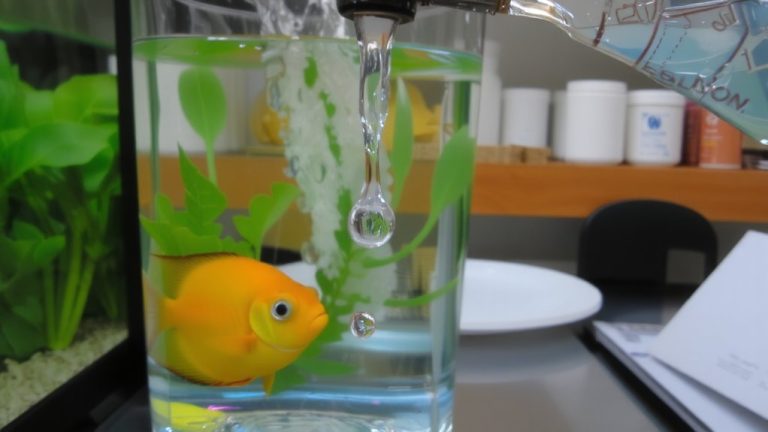
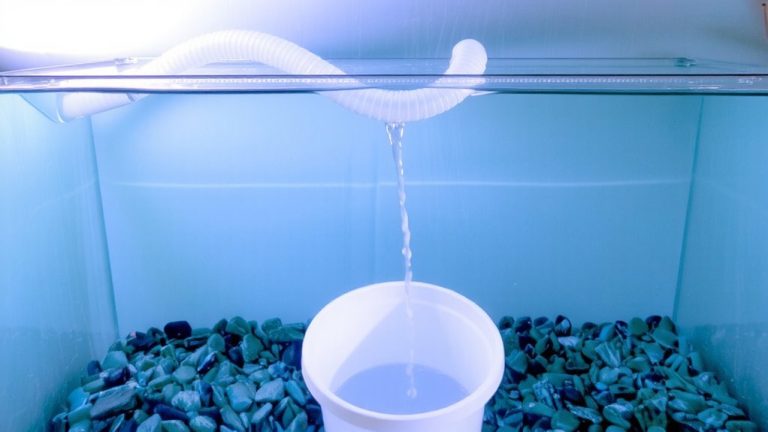
Because maintaining clean water and stable nutrients plays such a crucial role in curbing algae, you’ll want to stick to a consistent schedule of 25–33% water changes every one to two weeks-this keeps nitrates in the target range of 20–50 ppm, where most fish and live plants thrive. During each water change, use a siphon to remove excess waste and debris from the substrate, which helps lower nitrate levels and improves water quality. Always treat new tap water with a dechlorinator to neutralize chlorine and chloramine, protecting your fish and the beneficial bacteria in your filter media. Test your water regularly to balance nutrients effectively, ensuring ammonia and nitrites stay at 0 ppm. If nitrate levels drop below 20 ppm, add Easy Green fertilizer after the water change to support plant growth. Clean water and balanced nutrients mean fewer algae problems and healthier tank life.
Control Light and Feeding to Prevent Algae
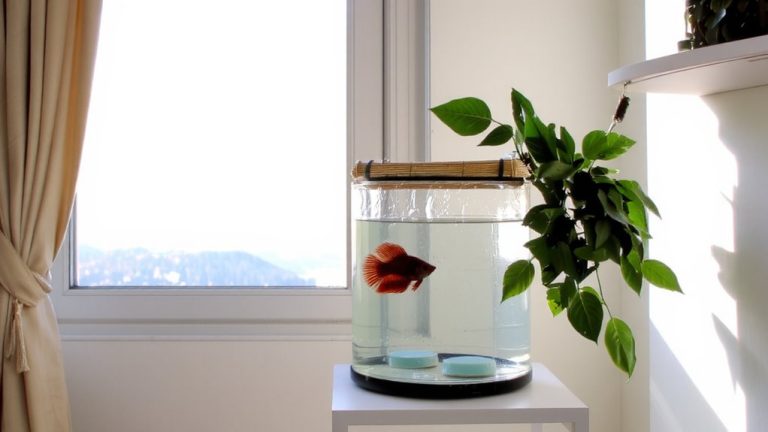
You’ve already taken steps to keep your water clean and nutrients in check, and now it’s time to fine-tune two other powerful levers in the fight against algae: light and feeding. To control light, limit aquarium lighting to 6–8 hours daily using a timer-this consistent light cycle helps prevent algae by giving plants a competitive edge. Avoid placing your tank in direct sunlight, which fuels rapid algae growth. When it comes to feeding, offer only what your fish can consume in a few minutes; overfeeding just once a week spikes nitrate levels above 50 ppm. That surge adds excess nutrients that algae thrive on. Sticking to a reliable light cycle, controlling light exposure, and managing feeding routines are proven ways to prevent algae long-term. These habits starve algae of the conditions it needs, keeping your glass clearer and your fish healthier.
Use Algae Eaters for Ongoing Glass Maintenance
While keeping your tank’s light and feeding routines in check cuts down on algae growth, introducing the right cleanup crew can handle the rest by targeting what sticks to the glass. You can rely on fish and invertebrates to do the cleaning for you, as long as you choose wisely. Nerite snails are top performers, constantly grazing diatoms and green algae off aquarium glass without bothering plants or fish. For tanks under 20 gallons, Amano shrimp are excellent-they’ll clean glass and tackle hair algae with little supervision. Otocinclus catfish work nonstop on soft algae and biofilm in tanks 10 gallons or larger. Bristlenose plecos handle tough algae in tanks over 30 gallons, eating up to 20% of their body weight in algae daily. And if black beard algae appears, true Siamese algae eaters are one of the few fish that can eliminate it from glass.
On a final note
You’ve cleaned the glass, trimmed excess algae, and refreshed the water-now keep it that way. Use a magnetic scraper weekly, limit light to 8 hours daily, and avoid overfeeding. Add an otocinclus or nerite snail to nip lingering spots. Test nitrate levels monthly; keep under 20 ppm. With consistent care, your tank stays clear, your fish thrive, and maintenance takes just minutes. Prevention beats cleanup every time.