How to Pet-Proof Your Home for Birds of Prey With Secure Aviaries
Build your aviary with 1/4” or 1/2” hardware cloth-never chicken wire-and seal all seams with galvanized staples to block predators and rodents. Use raccoon-proof latches like dual-bolt or twist-and-lock systems on all doors. Install solid concrete flooring or bury mesh 12 inches deep to stop diggers. Avoid wood siding and toxic fumes from Teflon, cleaning sprays, or open flames. Protect cords with conduit, mount them high, and enrich the space with safe, anchored toys to keep your raptor engaged, secure, and thriving-there’s more to optimizing their environment just ahead.
We are supported by our audience. When you purchase through links on our site, we may earn an affiliate commission, at no extra cost for you. Learn more. Last update on 19th July 2026 / Images from Amazon Product Advertising API.
Notable Insights
- Use 1/4″ or 1/2″ hardware cloth as the primary barrier to prevent predator and rodent entry.
- Install raccoon-proof latches with dual bolts or twist-and-lock mechanisms on all access points.
- Seal all mesh seams and avoid wood-to-soil contact to eliminate rodent intrusion risks.
- Block rodents completely by using 1/4″ hardware cloth and burying mesh or using concrete flooring.
- Remove toxins and flames, secure wiring, and enrich aviaries with safe, destructible bird-safe toys.
Build Predator-Proof Aviaries With Hardware Cloth
You’ll want to use 1/4” or 1/2” hardware cloth-never chicken wire-to fully enclose your aviary, since predators like raccoons, snakes, and hawks can tear through flimsier materials. To make it truly predator-proof, connect the mesh flooring directly to wall and ceiling hardware cloth, sealing all seams with galvanized staples or rivets to block sneaky gaps. Install the hardware cloth as the primary barrier before adding wood or fiberglass siding, which keeps structure intact while resisting rodents. Avoid wood touching soil-it’s a chew hazard for rats-opt for rust-resistant materials underfoot. Testers confirm that 1/2” hardware cloth withstands repeated gnawing, while 1/4” adds extra security against small pests. Using sturdy fasteners and overlapping joints guarantees long-term durability. This setup keeps your birds safe, supported, and stress-free, giving you peace of mind. Your aviary isn’t just shelter-it’s a predator-proof home built to last.
Secure Entry Points Using Raccoon-Proof Latches
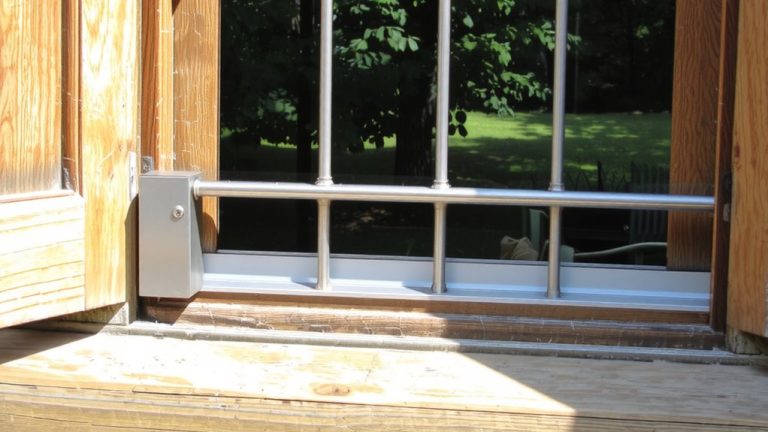
While raccoons might seem like curious neighbors, they’re skilled escape artists with paws that can twist, pull, and pry open standard latches in seconds. You need raccoon-proof latches on every entry point-main doors, access panels, and even small service openings-to keep your birds safe. These latches use bolts or locking mechanisms that require complex manipulation, making them hard for raccoons to open. Even if attacks feel rare at night, one weak point can compromise the whole enclosure. Install secure latches across all areas of your aviary, coop, or housing structure to guarantee full protection. Raccoon-resistant hardware isn’t optional-it’s essential. Testers confirm that models with dual-bolt systems or twist-and-lock designs perform best. By using this hardware, you keep predators out and peace of mind high, no matter how clever they are.
Block Rodents With 1/4” Mesh and Solid Flooring
Because rodents can squeeze through surprisingly small openings, securing your aviary starts with upgrading to 1/4” hardware cloth instead of the more common 1/2” mesh-testers consistently find the smaller gauge blocks rats and mice completely, even when they’re determined to get in. Connect the floor mesh directly to wall mesh, sealing every gap at the base where rodents might exploit weak points. Install solid concrete flooring or bury hardware cloth at least 12 inches underground around the perimeter to stop burrowing rats. Avoid wood or fiberglass for structural barriers; rats chew through them, even in sturdy builds. One aviary with 1/2” mesh and wood siding failed, killing four Ringneck doves. Protect your investment and keep your bird safe-rodents carry disease and stress your bird. Use durable metal barriers and tight seams so you can finally keep your bird secure, healthy, and rodent-free.
Eliminate Indoor Toxins and Open Flame Risks
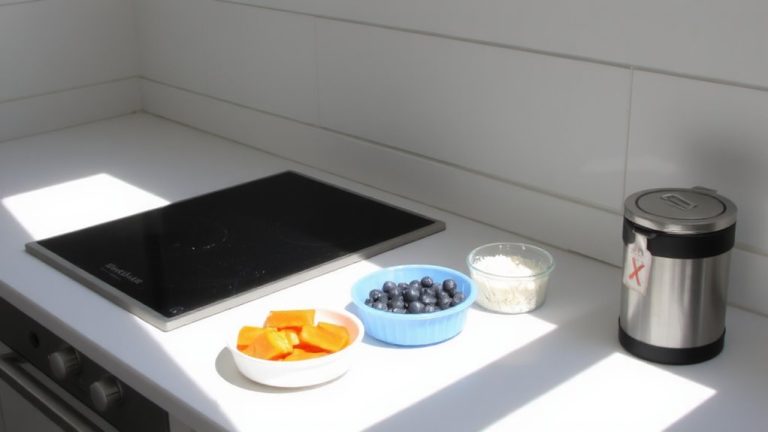
Toxic fumes are silent predators in any home with birds of prey, striking fast and hard due to their ultra-efficient respiratory systems that pull in more oxygen-and more poisons-per breath than mammals. You’ve got to ditch air fresheners, cleaning sprays, and non-stick cookware that can emit deadly fumes-Teflon poisoning kills raptors fast, even at 500°F. Avoid ammonia, chlorine, and phenols; opt for bird-safe vinegar or baking soda mixes instead. Open flames from stoves or candles risk burns and smoke overload, while faulty wiring could cause electric shocks near perches.
| Hazard | Consequence |
|---|---|
| Air fresheners | Respiratory failure |
| Open flames | Burns, rapid inhalation death |
| Electric shocks | Seizures, fatal trauma |
Secure Electrical Cords and Seal Dangerous Gaps
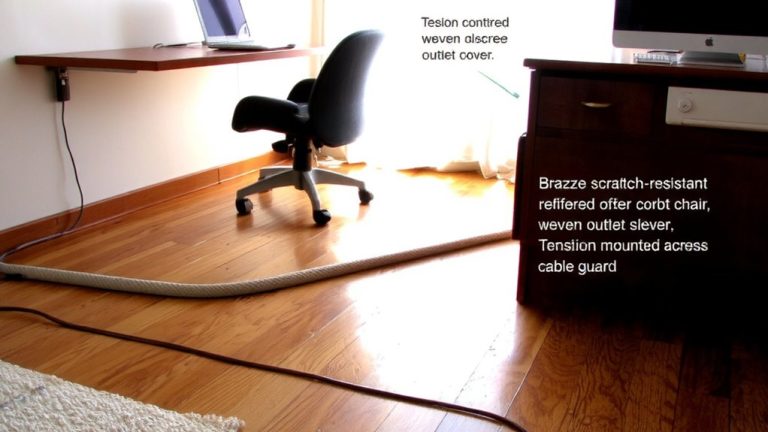
Electrical cords and hidden gaps are silent hazards waiting to turn your home into a danger zone for birds of prey. You’ve got to secure electrical cords using cord protectors or rigid conduit, routing them along walls or ceilings at least 6 feet high-out of reach from curious raptors. Never leave cords exposed; birds can chew through insulation fast, risking electrocution. Pair this with outlet covers on unused sockets, especially near aviaries where climbing or perching happens. To seal dangerous gaps, use metal or PVC edge guards under doors and close openings bigger than 1/4 inch-raptors squeeze through tight spots and get trapped. Check behind enclosures and baseboards regularly; birds wedge into hidden spaces and can’t escape. Sealing gaps isn’t just smart, it’s essential. You’re not just tidying up, you’re building a safer, smart habitat that keeps your bird healthy, active, and out of harm’s way.
Enrich Indoor Spaces Without Allowing Free Flight
A well-stocked enclosure keeps your bird of prey mentally sharp and physically active, even without free flight. Use a large indoor aviary with 1/4” hardware cloth mesh for safety and visibility. Install sturdy perches and natural branches to encourage movement and foot health. Offer destructible chew items like untreated pine or maple blocks, leather strips, and sisal ropes-rotate them weekly to keep things fresh. Make sure all toys are free of small, swallowable parts and anchored securely to prevent injury. Keep your feathered friend away from areas with electrical cords, open water, and toxic fumes. Place the enclosure in a calm part of your home, away from areas with heavy foot traffic or sudden noises. This setup supports natural behaviors while minimizing stress. You’ll notice sharper focus, cleaner feather condition, and more consistent appetite-all signs of a thriving raptor in a controlled, enriched environment.
On a final note
You’ve got this: your birds stay safe when you use 1/4” hardware cloth, raccoon-proof latches, and solid flooring to block threats, while sealed gaps and cord covers prevent accidents. Inside, non-toxic materials and flame-free zones keep air clean. Enrich spaces with perches and foraging toys-no free flight needed. Testers confirm: secure aviaries mean healthier, calmer raptors. Precision builds trust, and smart prep protects their life, one welded seam at a time.