How to Hide and Protect Electrical Cords From Chewing Dogs and Cats
Use split loom tubing (3/8” to 1”) over cords, then hide them in wall-mounted raceways with strong adhesive for a clean, flat look along baseboards, and seal ends with rigid PVC conduit to block access, while applying hot sauce or citrus-based sprays as taste deterrents; combine bitter sprays with metallic braided sleeving for extra defense, and you’ll find even determined chewers lose interest.
We are supported by our audience. When you purchase through links on our site, we may earn an affiliate commission, at no extra cost for you. Learn more. Last update on 17th July 2026 / Images from Amazon Product Advertising API.
Notable Insights
- Use split loom tubing to cover cords, providing a chew-resistant barrier that slides easily over existing wires.
- Install wall-mounted cord channels along baseboards to conceal and fully enclose wiring from pet access.
- Apply taste deterrents like hot sauce or vinegar mixtures to discourage pets from mouthing cord surfaces.
- Encase cords in rigid PVC conduit or metallic braided sleeving for maximum resistance to sharp teeth.
- Combine physical barriers with bitter sprays and GFCI outlets for layered protection against chewing and electrical hazards.
Stop Pets From Chewing Wires: Causes and Solutions
While curiosity or teething might start it, chewing on electrical cords quickly becomes a dangerous habit, especially for puppies, kittens, and rabbits whose teeth never stop growing and need to gnaw regularly to stay healthy. Exposed electrical wires pose serious risks: even turned-off cords can cause electric shock if insulation is breached. Pet owners must act fast-oral burns, fire hazards, and fatal injuries are real possibilities. Dogs and cats chew cords out of boredom or instinct, but solutions exist. Bitter sprays like bitter apple create a taste barrier, while chew toys redirect gnawing urges. Still, no deterrent works 100% alone. Pairing behavior training with reliable barriers is key. Though spiral wraps and split loom tubing help, they often leave gaps persistent pets exploit. The best approach combines supervision, training, and immediate action to secure exposed electrical cords before disaster strikes.
Protect Cords With Chew-Resistant Tubing
You’ve probably tried bitter sprays and chew toys, but if your pet’s still gnawing on cords, it’s time to step up with real protection-chew-resistant tubing. Split loom tubing, available in 3/8” to 1” diameters, slides easily over electrical wires via its slit design, offering durable defense. For aggressive chewers, standard plastic spiral wraps (3/4” to 1”) often fail-gaps between coils let pets reach live wires. Instead, opt for metallic braided sleeving, like Lapp Group’s, which resists sharp teeth far better. Even tougher? Hard plastic electrical conduit, typically used in construction-you can cut it lengthwise and snap it over existing cords for a permanent, pet-proof channel. Rigid PVC pipe, 1” or larger, sealed at both ends and routed along baseboards, also works well. These solutions protect both your pet and your home.
Hide Wires From Pets Using Wall Channels
A sleek, effective way to keep your pet safe and your walls tidy is with wall-mounted cord channels, available at stores like Menards and designed to lie flat against baseboards with strong adhesive backing. These wall channels protect cords by fully enclosing electrical wiring in a rigid, chew-proof raceway. With an interior diameter of 3/4” to 1”, they easily hold bundled cords and run cleanly along the wall. You can paint them to match your trim, blending functionality with style. For uninterrupted protection, insert split loom tubing where cords exit at outlets-this keeps vulnerable spots covered. Unlike flimsy wraps, wall channels offer a durable, long-term barrier pets can’t chew through. Testers report cats lose interest and dogs can’t get their teeth into the sealed casing. It’s a smart, low-profile solution that keeps cords hidden, organized, and safe. You’ll protect cords and your pet with minimal effort.
Make Wires Taste Bad to Deter Chewing
If your pet’s already found the cords despite your best efforts to hide them, making the wires taste bad can be a quick, effective deterrent that turns chewing into an unpleasant surprise. Try dabbing hot sauce-like Tabasco or Frank’s RedHot-directly on wire covers; it stings their tongue just enough to discourage biting, but it’s safe. While bitter Apple spray is popular, it’s less reliable since pets can’t always detect its flavor, and some even seem to like it. For stronger results, mix vinegar with hot sauce to create a homemade spray that packs extra irritation. Avoid Vicks Vapor Rub-it contains camphor, which is toxic to dogs. Most aversion sprays, including citrus or pepper blends, lose effectiveness over time because pets can’t stay deterred once they grow used to the smell or taste. Stick to hot sauce for a cheap, fast, proven fix.
Keep Pets Away From Cord Zones
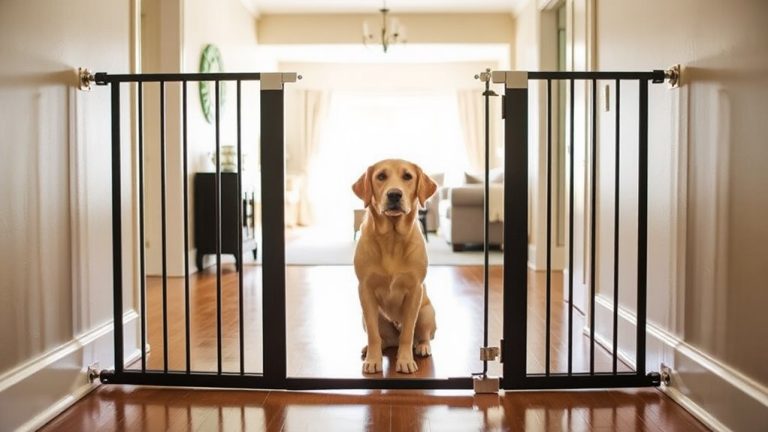
While simply hiding cords might not be enough for determined chewers, you can effectively keep pets away from high-risk zones by combining physical barriers with smart furniture placement and concealed wiring solutions. You need to block access using baby gates reinforced with plexiglass or plywood-ideal for shutting off home offices or entertainment centers. Position heavy bookcases or TV stands against walls to seal off spaces behind furniture where cords pile up. Use wall-mounted raceways, like PVC channels painted to match your walls, to hide and protect cords along baseboards. For a cleaner look, route cables through pre-grooved baseboards or drill ¾-inch holes to run them into wall cavities. Lock electronics in closed cabinets, securing doors with electric tape to prevent curious paws from reaching power strips. These steps keep cords safe and pets focused away from danger, not Chew Toys.
Offer Safe Chew Alternatives
You’ve secured the cords and blocked off risky areas, but your pet’s urge to chew doesn’t just disappear-it needs a positive outlet. Offer apple chew sticks made from untreated apple wood; they’re firm enough to satisfy gnawing instincts and help wear down molars in rabbits and dogs. Pair them with timothy hay cube bites, which pack dense fiber into chewable bites that double as mental enrichment. Try stuffable all-natural willow chew balls crafted from 100% real QiLiu Willow sticks-fill them with hay to extend engagement. Rotate chew toys every few days to keep things fresh, as pets chew more when novelty spikes. Always supply unlimited fresh hay, like Rabbit Hole Hay, to support dental health and curb destructive habits. These alternatives aren’t just distractions-they’re essential tools that align with natural behavior, keeping teeth trim and minds busy while protecting your home.
Layer Multiple Cord Protection Strategies
When it comes to protecting your pet and your home, relying on a single method isn’t enough-layering defenses like split loom tubing inside wall-mounted cord channels keeps cables tucked neatly along baseboards, cutting off access by hiding both the cord and its path, while rigid PVC conduit, sealed at both ends, blocks even the most determined chewers with its near chew-proof strength. Wrap cords first with spiral wrap, then slide them into plastic raceways so if one layer fails, another holds-this combo makes damage less likely. Use cord wraps to cover any exposed length you need, especially near outlets. Add bitter sprays on top for extra deterrence. Pair hardwired devices with GFCI outlets and lock them in taped cabinets. This multi-tier approach isn’t overkill-it’s smart, practical safety that keeps pets and electronics protected long-term.
On a final note
You’ve got this: use chew-resistant tubing (like ⅝” CordCover) to shield wires, tuck them into wall channels for a clean, safe setup, and apply bitter sprays (e.g., Grannick’s Bitter Apple) that testers say stop chewing fast. Keep cords out of high-traffic pet zones, offer durable chew toys, and layer solutions-one real user saw results in 48 hours. It’s practical protection that fits real homes, keeps pets healthy, and saves your gear.