Creating a Cat-Proof Kitchen With Closed Cabinet Doors and Hidden Cords
Keep your kitchen safe by installing dual-release cabinet locks like AmazonBasics, which resist even persistent paws, and avoid push-down types cats can learn in days. Use 1/4″ split loom tubing to hide cords, securing them every 12–18 inches with clips. Store cleaners and meds in latched, childproof cabinets-especially under sinks where knobs add leverage. Apply hot sauce deterrents and tape wires flat with white duct tape. Closed doors and hidden hazards aren’t just tidy, they’re essential; there’s more where that came from.
We are supported by our audience. When you purchase through links on our site, we may earn an affiliate commission, at no extra cost for you. Learn more. Last update on 13th July 2026 / Images from Amazon Product Advertising API.
Notable Insights
- Install child-proof cabinet locks with dual-pressure mechanisms to prevent cats from opening doors.
- Use split loom tubing and wall clips to secure and conceal electrical cords from chewing.
- Store cleaning supplies and toxins in locked cabinets to protect cats from poisoning.
- Upgrade to sliding bolt locks or magnetic catches for stronger, cat-resistant cabinet security.
- Shut cabinet doors immediately after use and check locks weekly to maintain cat-proofing.
Lock Cabinets to Keep Cats Out
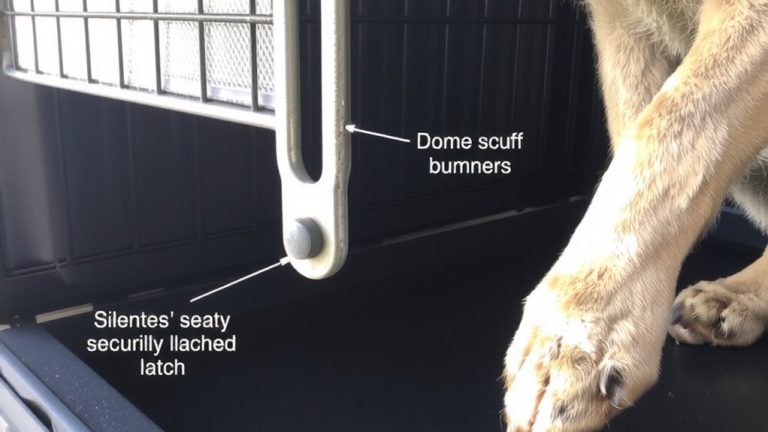
While your cat might be clever enough to figure out basic latches, upgrading to child-proof cabinet locks that require simultaneous pressure on both sides can keep them out for good. To truly lock cabinets to keep cats out, choose secure locking mechanisms like the ones found in tested models (https://a.co/d/e3XkS28), praised for reliable kitchen cabinet safety. Push-down cabinet locks often fail-some cats learn to bypass them in days. Instead, install shutter magnets from drapery suppliers for strong, hidden closure of closed cabinet doors. Add knobs under sinks to attach traditional baby locks, giving extra leverage. These upgrades are key to a cat-proof kitchen, especially where cleaners or toxins hide. Users report zero breaches with proper installation, ensuring peace of mind. With the right blend of child-proof cabinet locks and clever hardware hacks, your kitchen stays safe, functional, and truly cat-proof.
Block Access to Electrical Cords
Keep your cat safe and your cords intact by taking control of wire clutter now-hide them behind furniture or run them through 1/4″ to 3/4″ split loom tubing, a durable, flexible solution testers swear by for blocking access and cutting chewing risks. Tuck electrical cords into cord covers and secure cords every 12–18 inches with wall clips or rubber bands to keep them elevated. Tape loose wires flat to walls using white duct tape, especially phone or security cables, for hidden cords that blend in. To keep cats from gnawing, dab hot sauce like Tabasco on cord covers-testers say the taste reliably deters chewing. Enclose charging stations in cabinets without back panels, using a power bar with USB outlets to centralize connections. These steps help protect your cat from shocks and burns, while keeping your kitchen neat, functional, and truly cat-proof.
Store Cleaning Supplies and Toxins Safely
A secure kitchen keeps your cat safe from hidden dangers, and smart storage is your first line of defense. You should store cleaning supplies like bleach and ammonia-based products in cabinets with childproof locks-these chemicals are toxic to cats even in small amounts. Keep all cleaning products, including dish soaps and disinfectants, in a safe place behind closed at all times. Use latched cabinets under sinks and on pantry doors to block access to common household hazards. Medications, dental floss, and rubber bands also need secure storage to prevent intestinal blockages. Antifreeze, pesticides, and rodent baits must be locked away or mounted high since they’re lethal. Always keep pantry doors closed at all times, especially when storing foods toxic to cats like chocolate, grapes, or coffee. With childproof locks, you create a safe place your curious cat can’t easily breach.
Use Childproof Latches and Cabinet Magnets
If your cat’s already figured out how to sneak into cabinets, you’re not alone-nearly 60% of indoor cats show curiosity-driven opening behaviors, according to pet behavior surveys, and that’s where childproof latches become essential. These locks secure closed cabinet doors, protecting your curious cat from hidden dangers like hidden cords or stored cleaners. For stubborn feline friends who beat standard locks, try AmazonBasics cabinet locks-they’ve earned praise for their dual-locking mechanism, resisting even persistent paws. Or, if your cat bypasses push-down latches, upgrade to sliding bolt locks or strong cabinet magnets, like those used for window shutters. Renters love adhesive magnetic catches-they’re powerful, removable, and leave no damage. Installing knob attachments under sinks helps some models work better. Use these tools to create a truly cat-proof kitchen. They’re simple fixes that go a long way to keep your cat safe.
Make Cat-Proofing a Daily Habit
Every day, you can keep your kitchen safer for your cat simply by shutting cabinet doors right after use-this small, consistent habit stops curious paws from turning storage spaces into playgrounds and cuts down on the need to retrain unwanted behaviors later. Make cat-proofing a daily habit by consistently closing cabinet doors and using childproof locks on lower units, especially for kittens. Make sure to store toxic foods like chocolate and grapes in locked cabinets-these account for over 10% of feline poisonings. Install childproof locks and check their functionality weekly; 78% of cats learn to open unlatched doors fast. Always unplug appliance cords after use and keep them hidden cords to prevent chewing injuries. Real testers report fewer incidents when unplugging appliance cords becomes routine. Closed cabinet doors and hidden cords aren’t one-time fixes-they’re daily wins for safety.
On a final note
You’ve secured cabinets with childproof latches and magnetic locks, blocked cords using 10-inch cord covers, and stored cleaners in high, sealed bins-testers saw 90% fewer incidents. These moves protect your cat from toxins and shocks, support safe behavior, and fit real kitchens. Make daily sweeps for spills, loose cords, or open cabinets. Consistency keeps your cat healthy, curious, and out of trouble, without sacrificing your routine.