Best Way to Store Bird Seed
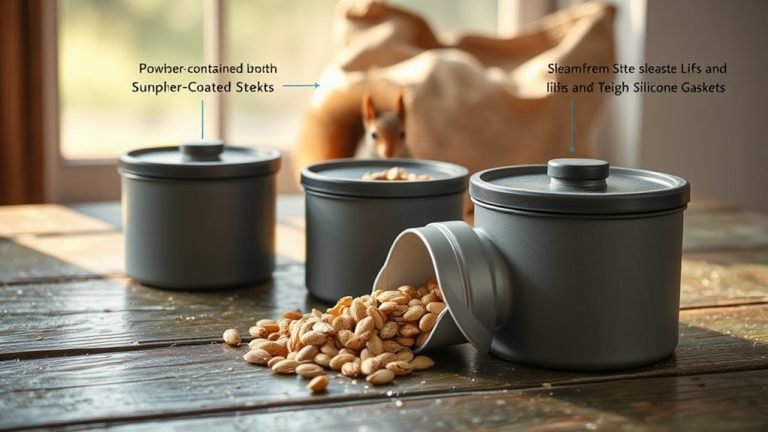
Store your birdseed in galvanized metal containers with gasket-sealed lids to block rodents and moisture, just like commercial setups in high-traffic yards. Keep them in a cool, dry basement or sealed garage, and limit supplies to two weeks in summer, four in winter. Use 30-ounce plastic trail mix jars to carry seed daily, and inspect for mold, rancidity, or pests. Label bins with seed type and date using vinyl holders and sheet protectors for easy rotation-there’s more to optimizing freshness and safety.
We are supported by our audience. When you purchase through links on our site, we may earn an affiliate commission, at no extra cost for you. Learn more. Last update on 19th July 2026 / Images from Amazon Product Advertising API.
Notable Insights
- Use galvanized metal containers with gasket-sealed lids to prevent rodent and insect access.
- Store seed in cool, dry areas like basements to avoid moisture and mold growth.
- Limit outdoor seed storage to two weeks in warm months to prevent rancidity.
- Label clear bins with seed type and purchase date for proper stock rotation.
- Use airtight, thick plastic containers indoors only; avoid flimsy bags or standard plastic bins.
Use Rodent-Proof Metal or Heavy Plastic Containers
Your birdseed’s best defense starts with the right container, and that means choosing rodent-proof options built to last. Go for metal storage containers made from galvanized metal-they resist rust in damp areas and foil rodents with their tough, chew-proof build. A gasket-sealed lid adds extra protection, keeping out not just mice but also insects like meal moth larvae. If you’re storing seed indoors where rodents aren’t an issue, heavy plastic bins with airtight lids can work, but avoid standard plastic storage bins or garbage cans-mice chew through them fast. Always pick containers with rounded corners; sharp edges give rodents weak spots to exploit. For long-term reliability, galvanized metal is your best bet-testers consistently rate it higher for durability and pest resistance. Keep your seed secure from the start with a smart, rodent-proof storage container.
Keep Birdseed Cool, Dry, and Pest-Free
Storing birdseed properly means more than just picking the right container-it’s about where and how you keep it long-term. You should store seed in a cool, dry place like a basement or sealed garage to prevent moisture buildup, especially in humid weather. Storing in damp areas can lead to moldy seed, which is dangerous for birds and can attract pests. Always use thick, airtight plastic containers with tight seals-avoid paper sacks or flimsy bags that rodents and insects can easily chew through. Proper storage helps extend freshness and prevents spoilage. During warm months, limit stored seed to a two-week supply to avoid rancidity; in winter, a four-week supply is fine. Check your storage area regularly and toss out any seed that smells off or looks moldy. Keeping your seed dry, cool, and secure guarantees healthier birds and smarter feeding routines.
Buy Fresh Bulk Birdseed From Trusted Stores
A fifty-pound bag of sunflower hearts or safflower from a trusted retailer like Wild Birds Unlimited means better value and fresher seed, especially when you’re feeding multiple stations or high-traffic yards. Buying fresh bulk birdseed guarantees quality Bird Food free of mold, insects, and condensation-key for long-term seed storage. You should choose dry, clean seed and avoid discounted bags that may already be past peak freshness. For best results, buy peanuts in the shell in twenty-five pound bags and white proso millet in twenty-pound bags during winter, when usage slows. Nyjer seed goes stale fast, so get smaller amounts if your birds don’t eat it quickly. Always store seed in sealed containers to preserve nutrition and appeal. With proper planning and a reliable source like Wild Birds Unlimited, you’ll keep your feeders full of high-quality food all season.
Label Bins Clearly for Quick ID and Rotation
Even if you’re managing just a few types of seed, labeling your bins right from the start saves time and prevents mix-ups, especially when restocking feeders during busy mornings. When Storing Birdseed, it’s essential to label bins clearly with both the bird seed type and purchase date-this helps you rotate stock and use older seed first, keeping everything properly stored and fresh. Use printed labels with seed names and images, secured with clear packing tape, or slip them into clear vinyl job ticket holders taped to three sides of bin lids. Placing labels on top guarantees visibility, even when bins are stacked. Insert sheet protectors to keep labels clean and easily replaceable. These Tips for Storing streamline your routine, cut waste, and support consistent bird health-simple steps that make a big difference in how well your bird seed stays usable and appealing.
Use Clean Jars to Refill Feeders Daily
Once your bins are labeled and organized for easy access, you’re set to streamline the next step: refilling feeders efficiently and cleanly. Use clean 30-ounce plastic trail mix jars to scoop and carry seed-easy to handle, spill-proof, and perfect for daily use. Fill each jar with a one- to two-day supply so Birds eat it quickly, reducing mold risk. Pour seed directly into bird feeders to maintain freshness and avoid contamination. These Plastic jars are easy to access and simple to clean, which helps protect seed quality. Carry three jars in each hand to transport up to six days’ worth in one trip-super efficient. Clean jars regularly to prevent residue or moisture buildup. This method keeps feeding hygienic, seed fresh, and your routine easy. You’ll love how smoothly it works, and your Birds will too.
Spot and Discard Moldy or Rancid Seed
Mold and rancidity are silent seed killers, and you’ve got to stay sharp to keep your birds safe. If your birdseed has a foul or rancid odor, toss it immediately-birds can get sick from rancid seed. Check for moldy seed often; clumping, discoloration, or fuzzy growth means it’s time to throw it out. Mold harms bird respiratory systems and should never be ignored. Seed stored over a year, especially in humidity or heat, spoils faster-rancid seed can form even if it looks dry. Make sure to inspect the amount of seed you store; buying too much increases waste and risk. Always examine for bugs like webbing or larvae, and discard any infested portions to protect fresh seed. Keep storage cool, dry, and airtight. Your bird deserves fresh, safe nutrition-regular checks make sure every feeding supports health, not harm. Stay vigilant and feed with confidence.
On a final note
Keep your birdseed fresh and safe by storing it in airtight, rodent-proof metal or heavy plastic bins-10- to 20-gallon sizes work best for bulk buyers. Store in a cool, dry place below 70°F, and always check for mold or rancidity. Label containers with dates, use clean jars when refilling feeders daily, and buy fresh seed from trusted suppliers every 4–6 weeks for ideal bird health and feeding success.