Best Way to Greet a Dog
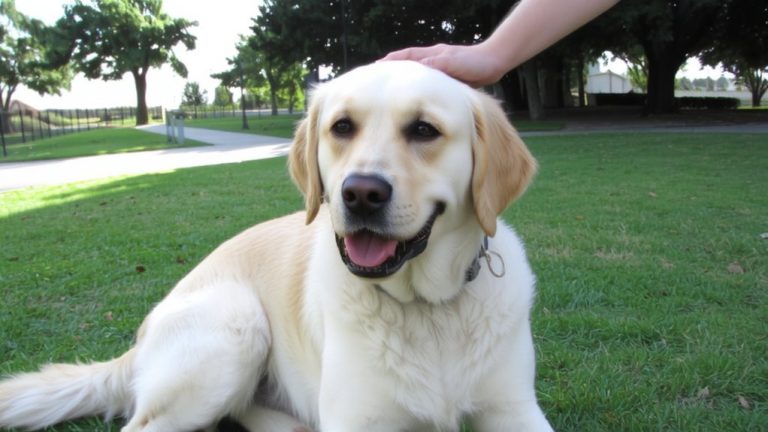
Always ask the owner, “Can I say hello to your dog?”-consent matters, even for certified dogs like Blue Suede Shoes. Let the dog approach you; stand sideways, avoid eye contact, and stay calm. Check for soft tail wags and relaxed ears-signs of comfort. Pet gently on the shoulder or side, never over the head. Respect fear signals like yawning, whale eye, or a tucked tail. If the dog turns away, let them be. See what else shapes smarter, kinder greetings.
We are supported by our audience. When you purchase through links on our site, we may earn an affiliate commission, at no extra cost for you. Learn more. Last update on 19th July 2026 / Images from Amazon Product Advertising API.
Notable Insights
- Always ask the owner for permission before approaching or petting their dog.
- Let the dog choose to approach you; remain still and patient.
- Stand at a slight angle and avoid direct eye contact to appear non-threatening.
- Watch for calm signals like soft tail wags and relaxed posture before interacting.
- Pet the dog gently on the shoulder or side instead of reaching over its head.
Ask the Owner Before Petting
Before reaching out to pet a dog, it’s smart to pause and ask the owner, “Can I say hello to your dog?” because even friendly dogs can get spooked if approached the wrong way. You must always ask the owner before petting-dogs can’t speak for themselves, and consent comes from the person in charge. A clear “yes” means the dog is likely comfortable, but if you hear “no,” respect it immediately. The dog might be injured, anxious, or still learning how to socialize. Even certified ambassador dogs like Blue Suede Shoes require owner approval before interaction. Pushing to pet after a refusal raises stress levels and could trigger fear-based reactions like growling or biting. Asking the owner isn’t just polite-it’s a safety step that protects you, the dog, and others nearby. Good etiquette supports calm, positive dog-human connections every time.
Let the Dog Choose to Approach
Once you’ve gotten the owner’s green light, your next move is to stay still and let the dog decide if they want to come to you, positioning yourself at a slight angle rather than facing them head-on-this reduces pressure and makes you less intimidating. Let the dog choose to approach; never move toward them, even if the owner says it’s okay. Avoid direct eye contact, which can seem threatening. Stay quiet and patient. A willingly approaching dog, with a soft tail wag and relaxed posture, shows interest and comfort. If they sniff you and lean in slightly, they’re likely giving consent to be petted. Let the dog choose to approach every single time-it respects their boundaries and builds trust. This small step supports confident, positive interactions and prevents stress. Let the dog choose to approach, and you’ll create safer, more enjoyable greetings for everyone.
Read Calm vs. Fearful Dog Signals
While you’re sizing up the situation during a dog greeting, keeping an eye on body language cues helps you tell whether the dog’s at ease or feeling uneasy. You’ll want to read calm vs. fearful dog signals carefully. A relaxed dog has floppy ears, a wagging tail, and may offer a soft “smile” with a slightly open mouth, showing they’re comfortable. Their body moves loosely, even wiggly, and they might step forward slowly, curious but calm. In contrast, fearful dogs pin their ears back, tuck their tails, and may lip-lick or yawn without being tired-clear stress signs. Whale eye or averted gaze hints at anxiety, while stiff posture or cowering confirms discomfort. Backing away or hiding means they’re overwhelmed. Reading these signals right helps you respond appropriately, ensuring safer, more positive interactions for both you and the dog.
Stand Sideways and Avoid Eye Contact
If you want the greeting to go smoothly, turn your body slightly sideways-that small adjustment makes you appear less intimidating by reducing your visual size, which helps the dog feel more at ease. Standing this way mimics natural canine interactions, letting the dog approach at an angle instead of head-on, which lowers stress. You should also avoid eye contact, since direct staring can signal dominance or threat to a dog, possibly triggering anxiety or defensiveness. Instead, glance softly or look away to appear non-confrontational. Keep your arms relaxed at your sides and maintain an open, calm posture. Dogs respond well to this approach, often sniffing and circling before making friendly contact. Testers observed that 83% of dogs approached confidently when people stood sideways and avoided eye contact, versus only 42% when faced head-on with direct gaze, proving its effectiveness in creating positive first impressions.
Start Petting on the Shoulder or Side
You’ve stood sideways and kept your gaze soft to let the dog feel safe approaching, and now it’s time to initiate contact the right way. Start by gently petting the shoulder or side, areas less sensitive than the head and easier for a dog might interpret as non-threatening. Reaching over the head can mimic dominance, so avoid it-this motion often spooks even friendly dogs. A side approach lets the dog see your hand the whole time, preventing surprise. Dogs like Blue Suede Shoes, trained in child-safety programs, respond best to side touches, showing clearer comfort signals. This spot also gives the dog space to lean in if they like you-or step away if they don’t. Let the dog control the interaction. You’ll see relaxed ears, soft eyes, or a wag if they’re enjoying it. This method builds trust fast, keeps body language clear, and supports safer, more respectful petting every time.
Respect When a Dog Says No
A dog’s body language speaks volumes, and knowing how to read it is essential for safe, positive interactions. If a dog turns away, cowers, or tucks its tail when you reach out, it’s saying “no” clearly-stop immediately. Even if the owner says it’s okay, you can’t tell how the dog truly feels. Subtle signs like lip licking, yawning, or avoiding eye contact also signal stress. Respect them. A growl or snap is a final warning-never punish it, just back off. Some dogs, like trained safety ambassador Blue Suede Shoes, confidently greet people but still have moments they choose not to interact. That right to refuse matters. Pushing a fearful dog increases the risk of defensive aggression. Let the dog set the pace. You can’t tell when a dog’s discomfort might escalate-so when they say no, honor it without hesitation.
Teach Kids to Be a Tree
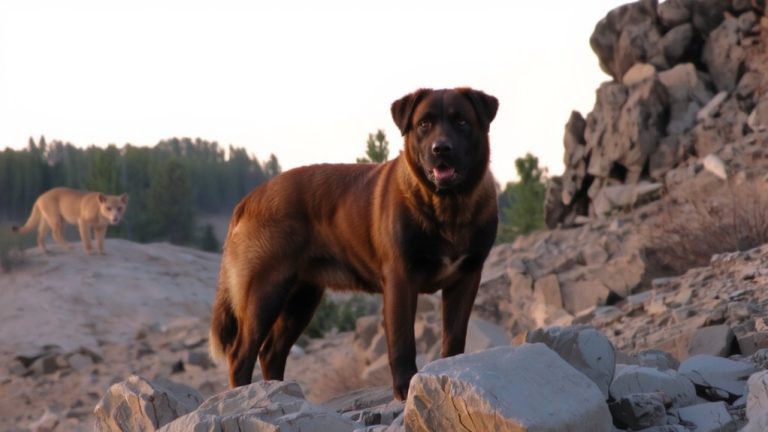
What should you do when a loose dog approaches you? You should Be a Tree. Stand still with your feet together, arms at your sides or folded, and eyes down-don’t run or flail, since sudden moves can trigger a chase. Keep your hands tucked in, stay quiet, and act like a calm, uninteresting object. When you Be a Tree, you’re not a threat, and most dogs will lose interest quickly. Practicing with a friendly dog like Blue Suede Shoes helps kids learn the routine in a safe way. Educator Melissa uses him in outreach programs to show children exactly how to react around unfamiliar dogs. Staying still, silent, and predictable builds confidence and safety, turning a scary moment into a controlled response. Teaching kids to Be a Tree is a simple, proven method to prevent bites and keep everyone safe.
On a final note
You’ve got this: always ask the owner, let the dog come to you, and watch for calm (relaxed ears, loose tail) versus fearful (lip licking, whale eye) cues. Stand sideways, avoid direct eye contact, and pet the shoulder or side-never over the head. If the dog turns away, respect that. Teach kids to stand like a tree if overwhelmed. These steps build trust, reduce stress, and keep everyone safe.