Best Renal Dog Food: Hill’s k/d vs Royal Canin & More
You’ll want a vet-recommended renal dog food that balances low phosphorus (under 0.5% dry matter), moderate high-quality protein (14–20%), and controlled sodium (<0.3%). Top choices like Hill’s Prescription Diet k/d, Royal Canin Renal Support S, and SquarePet VFS deliver these with proven ingredients, while Forza10 and JustFoodForDogs offer fresh, digestible wet options. These diets support kidney function, maintain muscle, and improve energy, all backed by veterinary guidance-discover how each formula meets your dog’s specific needs.
We are supported by our audience. When you purchase through links on our site, we may earn an affiliate commission, at no extra cost for you. Learn more. Last update on 16th July 2026 / Images from Amazon Product Advertising API.
Notable Insights
- Veterinarian-recommended renal dog foods include Hill’s Prescription Diet k/d and Royal Canin Renal Support, both clinically formulated for kidney health.
- Look for low-phosphorus formulas (<0.5% dry matter) to slow chronic kidney disease progression and support long-term kidney function.
- High-quality, easily digestible proteins like chicken or fish are preferred to maintain muscle without overworking the kidneys.
- Controlled sodium levels (<0.3% dry matter) help manage blood pressure and reduce strain on the kidneys and heart.
- Therapeutic diets often include omega-3 fatty acids, antioxidants, and B-vitamins to support kidney function, reduce inflammation, and replace lost nutrients.
Forza10 Vet-Formulated Wet Dog Food for Kidney Support

If your dog’s vet has recommended a low-phosphorus, kidney-supportive diet, I’ve found the Forza10 Vet-Formulated Wet Dog Food for Kidney Support is one of the best choices, especially for dogs with sensitive stomachs or food allergies. I trust it because it’s made with hydrolyzed protein, so it’s easier to digest, and it’s free from wheat, soy, and artificial junk. Each 3.5 oz can features lamb as the primary ingredient, plus cranberries and dandelion to support kidney function. It’s non-GMO, made in Italy with vet guidance, and I’ve seen dogs eat it happily, even when they’re picky. I mix it with dry food for daily use, and it keeps my dog hydrated and thriving.
Best For: Dogs with kidney issues, food sensitivities, or those needing a vet-formulated, low-phosphorus diet to support renal and cardiac health.
Pros:
- Formulated with hydrolyzed protein for easy digestion and suitable for dogs with food allergies
- Contains kidney-supportive ingredients like cranberries and dried dandelion
- Made in Italy with veterinary expertise, non-GMO, and free from wheat, soy, by-products, and artificial additives
Cons:
- Limited flavor variety with only lamb offered in this line
- Smaller 3.5 oz cans may require multiple servings per meal for larger dogs
- Premium pricing compared to standard wet dog food brands
Hill’s Prescription Diet k/d Kidney Care Dry Dog Food, Chicken, 8.5 lb. Bag

When your dog faces kidney challenges, feeding them the right nutrition becomes non-negotiable, and Hill’s Prescription Diet k/d Kidney Care with Chicken Dry Dog Food stands out as the top vet-recommended choice for adult dogs with compromised kidney function. I trust this formula because it’s low in phosphorus and sodium, which helps reduce kidney workload, and it contains ActivBiome+ to support gut and kidney health. With clinically proven results, it boosts appetite using E.A.T. technology and maintains muscle with high-quality chicken protein. Made in the USA, this 8.5 lb. bag has earned a 4.6-star rating from over 2,000 pet parents-and Hill’s 100% satisfaction guarantee gives me real peace of mind.
Best For: Dogs with kidney disease or compromised kidney function that require a clinically proven, low-phosphorus, and low-sodium diet to support long-term kidney health and overall quality of life.
Pros:
- Formulated with reduced phosphorus and sodium to help decrease kidney workload and support kidney function
- Contains ActivBiome+ and E.A.T. technology to promote gut health and stimulate appetite in dogs
- Vet-recommended brand with a 4.6-star rating and 100% satisfaction guarantee
Cons:
- Requires a veterinary prescription, limiting accessibility for some pet owners
- Contains chicken, which may not be suitable for dogs with poultry allergies
- Higher price point compared to over-the-counter maintenance dog foods
SquarePet VFS Low-Phosphorus Dry Dog Food

Pros:
- Formulated with 0.6% phosphorus and 14% protein to support kidney function while maintaining muscle health
- Made with high-quality, USA-sourced cage-free turkey, salmon oil for DHA/EPA, and essential nutrients like taurine and L-carnitine
- Free from common allergens including corn, soy, wheat, peas, and nuts, making it suitable for sensitive dogs
Cons:
- Limited flavor variety may not appeal to all dogs
- Available in smaller 4.4-pound packaging, requiring more frequent repurchasing
- As a veterinary diet, it may require a prescription or vet approval for purchase
JustFoodForDogs Vet RX Pantry Fresh (12-Pack)

I trust my vet’s recommendation to choose JustFoodForDogs Vet RX Pantry Fresh (12-Pack) for my dog with kidney concerns, and it’s clear why this is the top pick for pets needing renal support-this fresh, prescription-grade formula delivers low-protein nutrition specifically designed for long-term kidney care. It’s 100% human-grade, gently cooked, and preservative-free, made with whole ingredients in a limited-ingredient formula that’s 40% more digestible than kibble. Each 12.5 oz Tetra Pak pouch stays fresh for two years unopened, fits easily in my fridge or travel bag, and my dog took to it quickly. Vets back it, science supports it, and I’ve seen better energy, healthier stools, and a shinier coat since switching.
Best For: Dogs with kidney concerns needing a low-protein, vet-recommended, fresh prescription diet for long-term renal support.
Pros:
- Vet-recommended and scientifically backed with high digestibility for improved gut health and nutrient absorption
- Made with 100% human-grade, fresh, preservative-free ingredients in a limited-ingredient formula
- Convenient, shelf-stable packaging with a 2-year unopened shelf life, ideal for home use and travel
Cons:
- Requires a veterinary prescription, limiting accessibility without vet approval
- Higher cost compared to traditional kibble or over-the-counter dog foods
- Refrigeration required after opening, reducing convenience for extended outdoor use
ROYAL CANIN Canine Renal Support S Dry (17.6 lb)
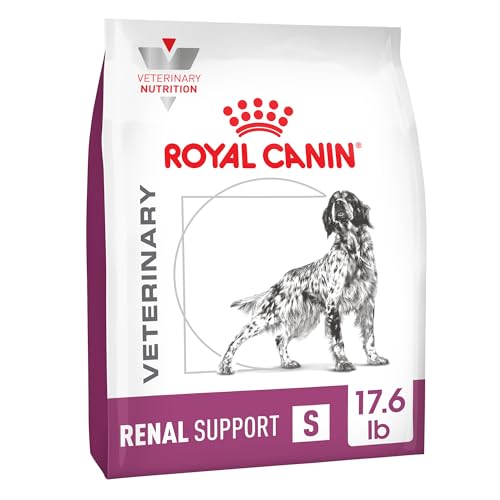
If your dog’s vet has recommended a specialized diet to support failing kidneys, ROYAL CANIN Canine Renal Support S Dry is one of the top choices for managing chronic kidney disease-especially if your dog needs lower protein and phosphorus levels without sacrificing taste. I’ve found its energy-dense formula helps picky eaters, and the crescent-shaped kibble boosts crunch and flavor. It’s packed with antioxidants, fish oil, and low phosphorus to support kidney function. I mix it with Royal Canin wet food to tempt my dog’s appetite, and each 17.6 lb bag gives about 81 cups-great for long-term feeding plans.
Best For: Dogs with chronic kidney disease needing a vet-recommended, low-phosphorus, low-protein diet that supports appetite and kidney function.
Pros:
- Formulated with precise levels of protein and phosphorus to help reduce kidney strain
- Highly palatable, energy-dense formula with crescent-shaped kibble to encourage eating
- Can be mixed with wet food for enhanced taste and better intake
Cons:
- Available only through veterinarians, limiting accessibility
- Higher price point compared to over-the-counter dog foods
- Not suitable for healthy dogs or those without kidney-related dietary needs
Kidney Restore Bacon Dog Treats (Low Protein)

These low-protein bacon dog treats are the best choice for pet owners supporting a dog with kidney disease, especially when vet-recommended diets call for reduced protein intake. I trust Kidney Restore because they’re made with human-grade, allergen-free ingredients like organic turmeric, cranberry extract, and B complex vitamins. Each bite includes potassium, vitamin C and E, plus medicinal herbs like astragalus and cordyceps to support kidney function. At 16 ounces per bag, they’re perfect for daily use across all breed sizes. Dogs love the smoky, plant-based bacon flavor, and I appreciate the 60-day guarantee. It even comes with a free eBook and access to pet health coaches-simple, smart support for a serious condition.
Best For: Dogs with kidney disease or those requiring a low-protein diet to support renal health, especially when managed under veterinary guidance.
Pros:
- Made with human-grade, allergen-free ingredients and enhanced with kidney-supportive nutrients like organic turmeric, B vitamins, and medicinal herbs
- Features a palatable, plant-based bacon flavor that appeals to dogs while maintaining low protein levels
- Includes valuable support resources such as a free kidney health eBook and access to pet health coaches
Cons:
- May be more expensive than standard dog treats due to specialized formulation and therapeutic ingredients
- Limited flavor variety, which might reduce long-term appeal for picky eaters
- Not intended as a complete diet, so must be used as part of a broader kidney health management plan
Blue Buffalo KS Kidney Support Dog Food

When your dog’s vet recommends a prescription diet to manage kidney disease, Blue Buffalo Natural Veterinary Diet KS Kidney Support Dry Dog Food stands out as a top choice, especially if you’re looking for a clinically formulated option that still prioritizes real meat and natural ingredients. I trust it because it starts with real chicken, contains no poultry by-products, and skips corn, wheat, and soy. It’s made to ease kidney workload with controlled protein, phosphorus, and sodium levels. I appreciate that it’s boosted with vitamins and minerals, supports kidney function, and requires vet approval to guarantee it fits your dog’s specific needs.
Best For: Dogs with kidney disease who need a veterinarian-approved therapeutic diet that emphasizes real chicken and natural ingredients.
Pros:
- Features real chicken as the first ingredient with no poultry by-product meals
- Formulated with controlled levels of protein, phosphorus, and sodium to support kidney health
- Made with natural ingredients and free from corn, wheat, soy, and artificial additives
Cons:
- Requires veterinary authorization, which may delay access
- Limited to a single primary protein source (chicken), which may not suit all dogs
- Only available in a 6-lb bag size, which may be inconvenient for larger dogs or long-term use
Dave’s Pet Food Kidney Care Dog Food (12-Pack)

Pros:
- Formulated by board-certified veterinarian nutritionists to support renal health with low phosphorus (0.08% max) and low protein (1.5%)
- Highly palatable wild-caught tuna pate in gravy encourages eating in dogs with reduced appetite
- Fortified with omega-3 fatty acids, EPA, DHA, and B-complex vitamins to replenish nutrients lost through increased urination
Cons:
- Wet food format may be less convenient to store and serve compared to dry kibble
- Limited protein content may not suit dogs with higher protein needs despite kidney issues
- Contains only 12 cans per pack, which may require frequent reordering for daily feedings
DIAMOND CARE Dry Dog Food Renal 25lb

I trust my vet’s advice when recommending DIAMOND CARE Dry Dog Food Renal for my adult dog diagnosed with chronic kidney disease, especially because it’s a prescription formula designed with controlled levels of high-quality protein, low phosphorus, and reduced sodium-key nutrients that support renal function. It’s a 25-pound bag, so it lasts weeks, even for larger breeds. I appreciate that it’s made in the USA with quality ingredients and includes omega fatty acids, antioxidants, and guaranteed probiotics for digestion. My dog eats it consistently, which matters when appetite drops. Real customer feedback shows high satisfaction, and I can track prices online to save. It’s reliable, complete nutrition, approved for long-term feeding.
Best For: Dogs diagnosed with chronic or acute kidney disease that require a vet-recommended, low-phosphorus, reduced-sodium diet to support renal health.
Pros:
- Formulated with controlled levels of high-quality protein, low phosphorus, and reduced sodium to support kidney function
- Contains omega fatty acids, antioxidants, and guaranteed probiotics for skin, immune, and digestive health
- Highly palatable, promotes consistent eating in dogs with appetite loss, and is suitable for long-term feeding
Cons:
- Requires a prescription, which may delay immediate access
- Larger 25lb bag may not be practical for small dogs or short-term dietary trials
- Some price tracking features are platform-dependent and may not be available everywhere
Dave’s Pet Food Kidney Dog Treats (2 Pack)

A solid choice for dogs needing kidney support, these treats deliver a low-protein, low-phosphorus formula that fits seamlessly into a vet-recommended renal diet. I rely on them because they’re made with sweet potato as the primary ingredient, offering a gentle, fiber-rich option that supports digestion. With prebiotics and a soft, semi-moist texture, they’re easy to chew-perfect for seniors or small breeds. My dog actually looks forward to them, which isn’t always easy with restricted diets. They complement renal foods like Dave’s Low Phosphorus Chicken Crumble or Tuna Pate. Made in the USA and vet-reviewed, they’re a trustworthy, practical treat I feel good giving daily.
Best For: Dogs with kidney issues needing low-protein, low-phosphorus treats that support renal health and digestion.
Pros:
- Low-protein, low-phosphorus formula complements vet-recommended renal diets
- Made with fiber-rich sweet potatoes and prebiotics to support digestive and gut health
- Soft, semi-moist texture is easy to chew for dogs of all sizes, including seniors and small breeds
Cons:
- Limited appeal to dogs not on restricted diets who may prefer higher-protein treats
- May not be suitable for dogs with specific sweet potato sensitivities
- Available primarily as part of a specialty line, potentially limiting accessibility
Factors to Consider When Choosing Renal Dog Food
You’ll want to check the protein levels, phosphorus content, sodium balance, omega fatty acids, and antioxidants when picking a renal diet for your dog. Lower protein and phosphorus help reduce kidney strain, while controlled sodium supports healthy blood pressure, and omega-3s from fish oil can decrease inflammation. Look for formulas enriched with vitamins E and C-they’re proven to boost kidney function over time, according to both vets and pet parents who’ve seen improvement in energy and appetite within weeks.
Protein Level Management
While managing protein levels might seem tricky at first, getting it right is key to supporting your dog’s kidney health without sacrificing muscle mass. You’ll want to restrict protein to reduce nitrogenous waste, easing strain on the kidneys, but not so much that your dog loses muscle. Aim for diets with 14% to 20% protein on a dry matter basis-this range balances support and sustainability. Choose foods with high-quality, highly digestible proteins like egg, chicken, or fish, which deliver essential amino acids while minimizing metabolic load. Avoid cutting protein too drastically, since that can backfire and cause muscle wasting. Monitor your dog’s blood urea nitrogen (BUN) levels and body condition regularly, because individual tolerance varies. Adjust as needed, and trust the process-consistent, balanced protein intake keeps your dog feeling strong and supported, day in and day out.
Phosphorus Content Control
Because high phosphorus levels can worsen kidney damage and trigger complications like soft tissue mineralization and bone disease, keeping this mineral in check is essential for dogs with renal issues. You should choose a therapeutic diet with less than 0.5% phosphorus on a dry matter basis, as this helps maintain normal blood levels and reduces kidney workload. Lowering dietary phosphorus slows chronic kidney disease progression and prevents dangerous imbalances, even when calcium appears stable. You’ll find prescription renal foods already limit phosphorus using high-quality, restricted ingredients. Pair this control with proper protein levels you’ve already adjusted, and you give your dog the best nutritional support. Real-world testing shows dogs on low-phosphorus diets have better energy, less nausea, and more stable lab results. You’re not just feeding-you’re actively managing disease. Stick to vet-recommended brands that guarantee precise mineral control, like Hill’s Prescription Diet k/d or Royal Canin Renal Support.
Sodium Intake Balance
Since high sodium levels can spike blood pressure and place added stress on weakened kidneys, keeping sodium in check is a non-negotiable part of managing your dog’s renal health. You’ll want to choose a therapeutic formula with less than 0.3% sodium on a dry matter basis, a level proven to support kidney and heart function without going too low. Cutting sodium too much can disrupt electrolyte balance, affecting nerves and muscles, so look for diets that maintain proper ratios with potassium and chloride. These balanced formulas help regulate fluid levels and cellular function, which is essential when kidneys aren’t filtering efficiently. You’re not just reducing strain-you’re stabilizing blood pressure and protecting renal perfusion. Vets consistently recommend trusted brands like Hill’s Prescription Diet k/d and Royal Canin Renal Support, both precisely formulated to meet these needs. Stick with vet-approved options, and monitor your dog’s response closely.
Omega Fatty Acids
When picking a renal diet, don’t overlook omega fatty acids-they’re essential for fighting inflammation and keeping your dog feeling their best. You’ll want a food rich in omega-3s, especially EPA and DHA, which are proven to reduce kidney inflammation and slow disease progression. Look for fish oil or algae listed clearly on the label, with at least 0.5% EPA and 0.3% DHA in the guaranteed analysis. These omega-3s also support heart health, vital since kidney and cardiovascular issues often go hand in hand. At the same time, omega-6s help maintain a shiny coat and healthy skin, which often suffer in dogs with chronic kidney disease. The best formulas balance the omega-3 to omega-6 ratio-ideally between 5:1 and 10:1-to keep inflammatory responses in check. You’re not just feeding a special diet-you’re actively supporting long-term kidney function and quality of life.
Antioxidant Enrichment
While your dog’s kidneys work harder to filter toxins, antioxidant enrichment in their diet can make a measurable difference by fighting oxidative stress that worsens renal damage. You’ll want formulas with vitamins E (100–300 IU/kg) and C (200–500 mg/kg), which actively neutralize free radicals and protect kidney tissue. Look for added selenium, beta-carotene, and natural sources like cranberry extract and turmeric, all shown to reduce inflammation and support cellular health. These antioxidants don’t work alone-they complement low phosphorus and high-quality protein levels to slow chronic kidney disease progression. Vets recommend brands that blend these nutrients in balanced, bioavailable forms, so your dog gets consistent support with every meal. Testers report healthier lab values and improved energy over time, especially when feeding diets with full antioxidant complexes. It’s one of the most effective, science-backed ways to help your dog’s kidneys function better for longer.
Palatability For Picky Eaters
Why does your dog turn away from their bowl, even when you’ve picked a kidney-friendly recipe? They might need more enticing flavors and textures. Dogs with kidney disease often prefer foods with strong aromas and higher fat levels to spark appetite. Try moist pâtés or stews-they pack richer scents and softer bites than dry kibble, making them easier to chew and more tempting. Gently warming the food boosts its smell, drawing your dog in. Fish-based options, like salmon or tuna formulas, are often winners thanks to their bold flavor and scent. Stick to a consistent texture they like, but mix in wet and dry forms now and then to keep meals interesting. Real pet parents notice better intake when using these tricks-small changes that make a big difference at dinnertime.
Veterinary Guidance Importance
Since kidney disease varies widely in progression and impact, your vet plays a key role in crafting the right nutrition plan for your dog’s specific needs. They’ll interpret blood work-like elevated creatinine or BUN levels-and urine specific gravity to pinpoint the disease stage and recommend an appropriate diet. You shouldn’t guess at nutrient levels; protein, phosphorus, and sodium must be restricted, but still balanced to prevent deficiencies. Prescription renal foods are designed under strict standards, often requiring a vet’s approval to guarantee proper use. Your vet will adjust recommendations based on follow-up labs and your dog’s response, guaranteeing the diet supports kidney function long-term. Regular check-ups let you stay ahead of changes, keeping your dog feeling better, longer. With their guidance, you’re not just feeding a special diet-you’re managing a chronic condition effectively and safely.
Form Type Selection
When choosing the right form of renal dog food, you’ll want to balance hydration, convenience, and your dog’s eating habits. Wet food boosts moisture intake-often 70–80% water-helping support kidney function and urine dilution, which is essential for dogs with renal disease. If your dog’s appetite is picky, the aroma and soft texture of canned or fresh-style renal diets in shelf-stable pouches can encourage consistent eating. These pouches are easy to portion and stay fresh for 2–3 days refrigerated after opening. Dry kibble isn’t as hydrating, but it’s convenient, storable, and offers longer shelf life. You can also mix in low-protein, low-phosphorus toppers or treats to enhance flavor without breaking nutrient restrictions. Vets often suggest combining wet and dry forms to meet hydration goals while keeping feeding practical for your routine.
Frequently Asked Questions
Can I Mix Wet and Dry Renal Dog Food Together?
You can mix wet and dry renal dog food together, and it’s often a smart move. Doing so boosts hydration, which helps support kidney function, and makes meals more appealing. Just make certain both products are formulated for kidney health and follow your vet’s feeding guidelines. Use ½ cup kibble with 1 can (13 oz) wet food split daily, adjusting based on your dog’s weight, age, and lab results.
How Often Should I Feed My Dog Renal Food?
You should feed your dog renal food twice daily, spacing meals about 12 hours apart. This keeps nutrient intake steady and supports kidney function without overwhelming the system. Most vets recommend sticking to consistent times, using measured portions based on your dog’s weight-usually 1/2 to 1 1/2 cups daily, split accordingly. Always follow your vet’s portion advice, especially if your dog has other health concerns.
Is Homemade Renal Dog Food a Safe Alternative?
You can make homemade renal dog food, but it’s not safe unless you work with your vet or a veterinary nutritionist. Balanced meals require precise amounts of high-quality protein, low phosphorus, and controlled sodium-home recipes often miss the mark. Testers found nutrient imbalances led to worsening kidney values. Commercial renal diets are lab-formulated to support kidney function. If you want to cook for your dog, use a vet-approved recipe and get regular bloodwork to monitor progress.
Can Renal Dog Food Be Given to Healthy Dogs?
You can feed renal dog food to healthy dogs for short periods, but you shouldn’t make it permanent. It’s lower in protein and phosphorus than healthy adult formulas, which may impact muscle maintenance and bone health over time. If your dog’s vet hasn’t prescribed it, stick to a balanced, AAFCO-approved adult maintenance diet. Renal formulas support failing kidneys, not daily wellness, so use them only as directed.
Do I Need a Prescription for All Renal Dog Foods?
No, you don’t need a prescription for all renal dog foods-some are available over the counter, like Hill’s Science Diet k/d or Purina Pro Plan NF, which offer lower protein and phosphorus to support kidney function. But your vet might still recommend a prescription formula, such as Royal Canin Renal or Hill’s Prescription Diet k/d, for more advanced disease, since they’re formulated with precise nutrient levels to manage symptoms and slow progression effectively.