Best Practices for Quarantining a New Betta Fish Before Adding to a Community Tank
Set up a bare-bottom 10-gallon tub in a separate room with a cycled sponge filter, adjustable heater (78–82°F), and PVC hides to reduce stress. Use dechlorinated water matched to pH 6.5–7.5 and mark gallon increments for accurate water changes. Quarantine for 4–6 weeks to catch hidden issues like ich or capillaria. Treat store-bought bettas proactively with Maracyn, ParaCleanse, and Ich-X, then acclimate slowly using the drip method-success depends on patience and precision.
We are supported by our audience. When you purchase through links on our site, we may earn an affiliate commission, at no extra cost for you. Learn more. Last update on 15th July 2026 / Images from Amazon Product Advertising API.
Notable Insights
- Set up a bare-bottom 10-gallon hospital tank with a cycled sponge filter and heater to maintain stable, pathogen-free conditions.
- Keep the quarantine tank in a separate room to prevent cross-contamination via shared tools or airborne pathogens.
- Quarantine new bettas for 4–6 weeks to detect and treat slow-developing diseases like ich, columnaris, or internal parasites.
- Proactively treat store-bought bettas with antibiotics, dewormers, and antifungals; observe breeder-sourced fish without medication.
- Acclimate bettas post-quarantine using the drip method, transferring only the fish-not quarantine water-to the main tank.
Set Up a Bare-Bottom Hospital Tank for Betta Quarantine
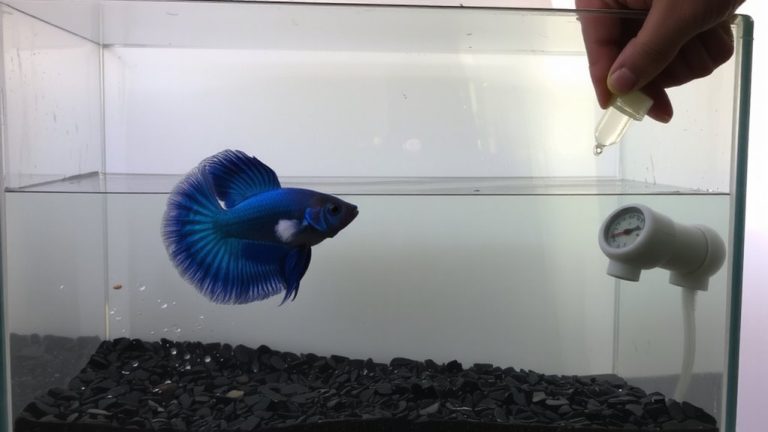
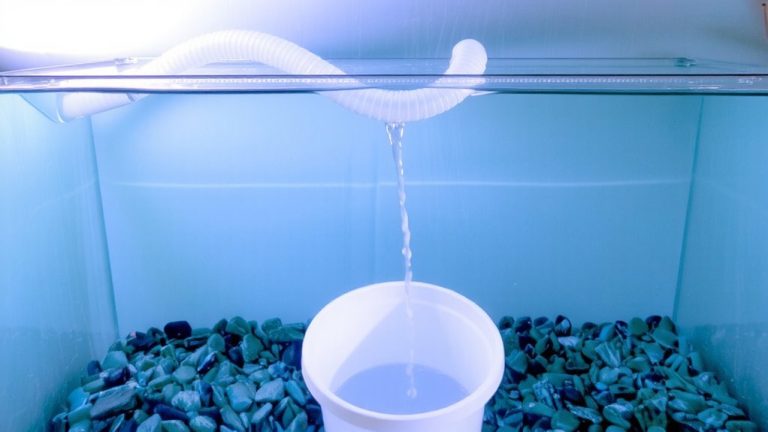
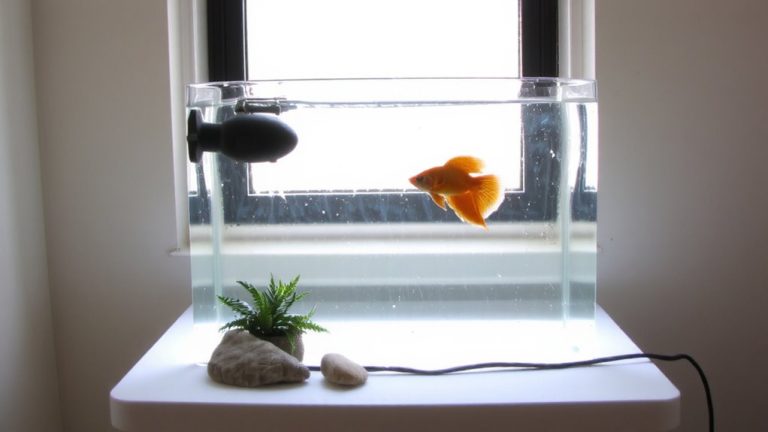
Start with the right foundation: a clean, bare-bottom hospital tank. Use a 10-gallon clear plastic tub or aquarium without substrate-it’s easier to clean and keeps pathogens in check. This bare bottom setup simplifies waste observation and medication accuracy. Your quarantine tank should stay in a separate room to prevent cross-contamination, avoiding shared tools or aerosol spread. Drill the lid for airflow and cord access, then mark sides in 1-gallon increments for precise water changes. Skip the gravel or sand; a tank without substrate means less risk and total control. A cycled sponge filter brings beneficial bacteria without strong currents, while a low-flow setup protects delicate fins. Add an adjustable heater to hold 78–82°F, and include PVC hides to reduce stress. This hospital tank keeps your betta safe, visible, and stable through quarantine.
Cycle the Filter and Prepare Water Before Arrival
You’ve got the bare-bones hospital tank set up-clean, simple, and ready to go-so now it’s time to focus on what keeps your betta safe from hidden threats: a fully cycled filter and prepped water. To cycle the filter, install a pre-cycled sponge filter or biomedia from an established aquarium, running it in your quarantine setup for at least one month-or immediately, if mature. This builds nitrifying bacteria fast, preventing toxic ammonia spikes. You’ll need to prepare water ahead of time: dechlorinate it, then match conditions to 78–82°F (26°C) and a pH of 6.5–7.5 using a reliable heater and thermometer. Keep the tank bare-bottom-no substrate or live plants-to reduce pathogen risks and simplify cleaning. A well-cycled, properly conditioned tank means your fish enters a stable, safe environment from day one.
Why Quarantine Bettas for 4–6 Weeks?
Even though your betta might seem perfectly healthy, a full 4–6 week quarantine is essential to catch hidden illnesses that could harm them or spread to other fish later. This quarantine period gives you enough time to spot slow-developing issues like ich or columnaris, which can take up to 30 days to show. Many newly purchased fish from stores like PetSmart carry hidden infections, including internal parasites such as capillaria. Treating these requires dewormers like fenbendazole, given every other week for three rounds-only possible with a full month-long plan. Public aquariums follow six-week quarantines to protect their freshwater aquarium systems, proving it works. Pathogens in a fallow tank usually drop to safe levels after four weeks. Maintain regular water changes and monitoring so your betta stays a healthy fish before joining your community tank.
Spot the First Signs of Illness in Quarantined Bettas
A full 4–6 week quarantine gives illnesses time to surface, and knowing what to watch for helps you catch problems early. During this time, check daily for signs like white spots, which are telltale signs of ich-even one trophont (0.5–1 mm) can start an outbreak. Look for cotton-like patches indicating fungal infections, present in up to 50% of unquarantined retail bettas. Also watch for frayed fins, a symptom of fin rot, and bloating or pineconing, which signals dropsy. Rapid gill movement may point to gill damage or ich. Dark horizontal stress stripes often appear with poor water conditions or psychological stress, differing from vertical breeding stripes.
| Symptom | Likely Issue |
|---|---|
| White spots | Ich |
| Cottony growths | Fungal infections |
| Stress stripes | Poor conditions or illness |
Treat Proactively or Wait? Medication Strategies for Bettas
Should you medicate your betta right away or wait for symptoms? If your betta came from a local fish store, we recommend quarantining with proactive treatment: use 1 packet Mardel Maracyn, 1 packet Fritz ParaCleanse, and 1 tsp Aquarium Solutions Ich-X per 10 gallons for 7 days without feeding. This trio tackles bacteria, parasites, and ich. For bettas from trusted breeders, skip meds but observe 4–6 weeks-some diseases like capillaria show no signs. Either way, make sure you use medicated fish food, not water dosing, for antibiotics like Maracyn 2 or metronidazole. They work best when eaten. Also, feed fenbendazole or levamisole in food every other week for three months to kill hidden worms. Prophylactic treatment isn’t always needed, but when in doubt, it’s safer to treat.
Release Only After Quarantine: Acclimate to Community Tank
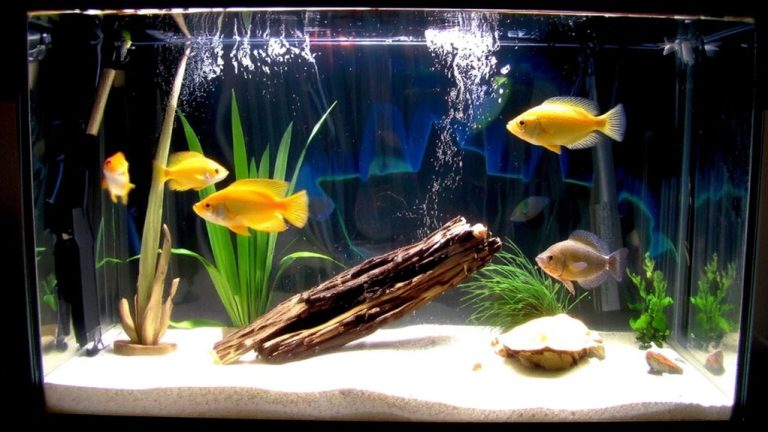
Once your betta’s completed a full 4-week quarantine with no signs of illness, it’s time to safely introduce them to the community tank-start by floating the sealed transport bag in the display tank for 15 minutes to equalize temperature, then every 4 minutes, add half a cup of tank water to the bag until it’s full, which usually takes about an hour. After this slow acclimation, use a net to transfer your new fish from the small plastic bag to the main tank, avoiding any quarantine water transfer. Before adding your betta, perform a 25–50% water change and confirm ammonia and nitrite are 0 ppm. Keep the tank at 78–82°F. A trusted Aquarium Expert recommends observing closely for 72 hours; if all looks good after two weeks, consider adding tank mates if needed.
On a final note
Keep your betta safe and your tank trouble-free by quarantining in a bare-bottom 5-gallon tank, cycled for at least 2 weeks with a sponge filter. Test water: aim for 0 ammonia, 0 nitrite, and nitrates under 20 ppm. Observe daily for 4–6 weeks, watching for clamped fins or lethargy. Treat only if needed, using API Pimafix or methylene blue as directed. Acclimate slowly-drip feed over 30 minutes-before release.