Best Food for Malnourished Dogs
Start your malnourished dog on a highly digestible, calorie-dense food like Hill’s Prescription Diet a/d-each 5.5 oz can packs 1,045 kcal, supporting rapid recovery. Choose wet formulas with at least 30% protein and 20% fat to fuel weight gain, and avoid senior diets or high-fiber options. Therapeutic diets, puppy food, or calorie boosters like salmon oil help meet energy needs safely. You’ll also learn how to feed gradually, avoid refeeding risks, and support long-term recovery.
We are supported by our audience. When you purchase through links on our site, we may earn an affiliate commission, at no extra cost for you. Learn more. Last update on 19th July 2026 / Images from Amazon Product Advertising API.
Notable Insights
- Choose highly digestible, calorie-dense therapeutic diets like Hill’s a/d to support nutrient absorption and weight gain in malnourished dogs.
- Opt for wet food with high moisture and strong aroma to encourage eating and improve hydration during recovery.
- Select foods with at least 30% protein and around 20% fat to meet elevated metabolic demands in underweight dogs.
- Use puppy formulas such as Wellness Complete Health Just for Puppy for their high caloric and nutrient content suitable for recovery.
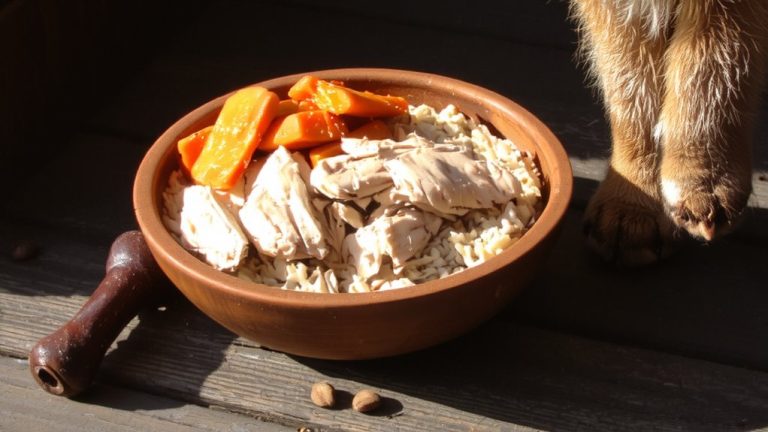
- Avoid senior dog foods due to low caloric density; instead, supplement with salmon oil or shredded chicken for extra calories.
What Causes Malnourishment in Dogs?
Ever wonder why your dog might be losing weight despite eating regularly? Even if your pup is eating enough, a malnourished dog can result from poor nutrient absorption due to underlying medical conditions. Chronic diseases like kidney or liver disease, diabetes, and cancer increase metabolic demands, while gastrointestinal disorders such as inflammatory bowel disease block proper digestion. Parasites like hookworms and whipworms steal nutrients and damage the gut lining, common in shelter dogs. Dental disease causes pain, reducing intake, and conditions like esophageal reflux alter eating habits. These issues mean food isn’t being used effectively. If you notice unexplained weight loss, consult your veterinarian. They’ll check for parasites, chronic diseases, and dental disease-key disruptors of nutrient absorption-so you can address the real cause and choose the best food for your malnourished dog.
How to Tell If Your Dog Is Underweight?
How do you really know when your dog’s gone too far past lean and into underweight territory? Check your dog’s body condition score using the 9-point Purina scale-scores of 1–3 mean your dog is underweight. If the ribs feel like knuckles when you touch them, and you see a visible abdominal tuck or a narrow waist from above, your dog is underweight. There should be no palpable fat over the ribs, and signs like muscle atrophy along the back or hips point to low body weight. Even lean breeds like greyhounds need a balanced body condition score. Ribs shouldn’t be visibly protruding. When in doubt, consult a veterinarian to confirm your dog’s condition and set a plan for healthy weight gain. Reaching ideal weight isn’t just about food-it’s about restoring body weight and muscle. A proper assessment guarantees you’re on track to ideal weight.
What to Look for in a Recovery Diet for Malnourished Dogs
While your dog’s appetite may be weak at first, choosing a recovery diet that’s highly digestible and rich in essential nutrients can make all the difference in restoring their strength. Look for a calorie dense, high protein (at least 30%), and high fat (around 20%) formula to fuel weight gain efficiently. A highly digestible, low fiber therapeutic diet supports better nutrient absorption-key for dogs rebuilding body mass. Wet food is especially beneficial; its high moisture, aroma, and palatable texture encourage eating, with options like Hill’s a/d (105 kcal/5.5 oz) offering concentrated energy. Brands such as Purina Pro Plan CN or Royal Canin Recovery RS provide up to 1,300 kcal/kg, meeting intense metabolic needs. Always consult a veterinary nutritionist to tailor the plan, ensuring your dog gets ideal support without digestive strain.
Best Dog Foods for Malnourished Dogs
Since your dog needs every calorie to rebuild strength, choosing the right food can make a real difference in their recovery. Opt for high-calorie dog food that’s high in fat and protein to fuel weight gain and tissue repair. Therapeutic diets like Hill’s Prescription Diet a/d are highly digestible dog food options with 1,045 kcal/can, ideal for rapid recovery. Puppy food, such as Wellness Complete Health Just for Puppy, is naturally high in fat and packed with protein and fat for growth and energy. Wet food for dogs boosts palatability and hydration, encouraging intake. Performance formulas and homemade diets for dogs can also support dog food for weight gain when properly balanced. Avoid senior dog nutrition, which lacks sufficient caloric density.
| Product Type | Key Features |
|---|---|
| Therapeutic diets | Highly digestible, 1,045 kcal/can, supports quick recovery |
| Puppy food | High in fat, 30% protein, 20% fat, great for underweight dogs |
| Wet food for dogs | High moisture, palatable, enhances calorie intake |
How to Start Feeding a Malnourished Dog
What’s the safest way to restart feeding when your dog’s been malnourished? Start slow to avoid refeeding syndrome. On day one, feed just 33% of the resting energy requirement (RER) based on your malnourished dog’s rehydrated weight. Calculate rehydrated weight by dividing current weight by (1 – estimated dehydration), so a 20 kg dog with 10% dehydration uses 22.2 kg. Increase to 66% of RER on day two, then reach 100% by day three, maintaining it for at least a week. Always choose highly digestible, calorically dense foods like Hill’s Prescription Diet a/d or Royal Canin Recovery RS for efficient nutrient use. Monitor closely-electrolyte imbalances like hypophosphatemia are common. Support recovery with supplements such as thiamine and cobalamin. Consistent, measured feeding aligns with your dog’s true RER needs and supports steady, safe improvement.
Easy Ways to Add Calories to Your Dog’s Meals
If your dog’s still gaining strength after being malnourished, you’ll want to boost their calorie intake without overwhelming their system, and simple food enhancements can make a real difference. You can easily add calories by mixing in healthy fats and protein-rich toppings. These options are ideal food for weight gain and can help your dog gain weight steadily. A dog needs balanced, nutrient-dense calories, not just bulk. Adding a small amount of high-fat foods supports healthy weight gain in dogs without stomach upset.
| Additive | Calories | Key Benefit |
|---|---|---|
| 1 tbsp salmon oil | 120 kcal | Healthy fats, shiny coat |
| 1 tsp coconut oil | 40 kcal | Energy, skin health |
| 1 oz shredded chicken | 70 kcal | High-quality protein |
| 1/4 cup canned pumpkin | 80 kcal | Fiber, palatability |
These simple tweaks add calories safely while supporting overall health.
When to See a Vet for Weight Gain Support
How do you know when your dog’s weight gain efforts need more than just home adjustments? If your dog has a low Body Condition Score (1–3), you should consult your vet to rule out underlying medical causes. Unintentional weight loss in dogs despite proper feeding can signal serious health conditions like kidney disease or cancer. A veterinarian can help you determine if your pet needs treatment before focusing on calories. If your dog may need rapid refeeding, professional guidance is essential-refeeding syndrome can lead to dangerous electrolyte imbalances. Chronic diarrhea, vomiting, or parasites also require immediate vet care. Only a veterinarian to determine precise nutritional needs using RER calculations can create a safe plan for your dog to gain weight. Always consult your vet to help you determine the safest path forward.
On a final note
You’ve got this-start with a high-calorie, easily digestible food like Royal Canin Recovery or Hill’s a/d, feeding small portions every 4–6 hours. Add boiled chicken, egg, or vet-approved supplements to boost protein and fat. Always consult your vet before major diet changes, especially for severely underweight dogs. Gradual, consistent feeding, paired with hydration and monitoring, leads to steady gains-most dogs show improvement within days when guided by care and proper nutrition.