Best Food for Dog Farts
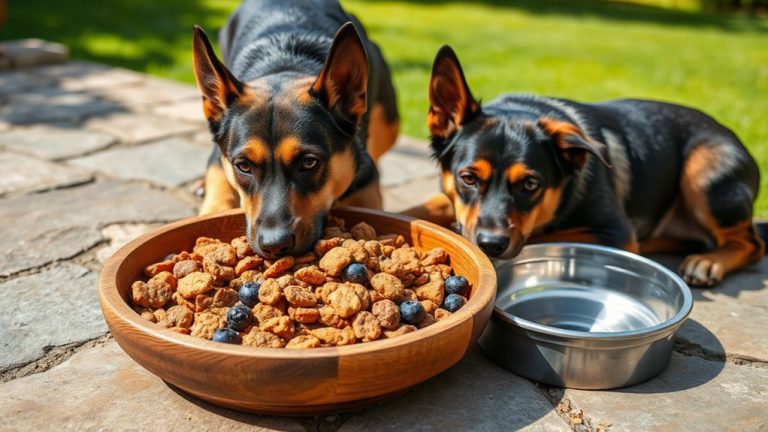
Choose a highly digestible, limited-ingredient food with quality proteins like chicken, fish, or lamb to cut down on dog farts fast. Skip soy, peas, beans, and dairy-they’re common gas triggers. Try Hill’s Science Diet Sensitive Stomach or Purina Pro Plan with probiotics for better digestion. Switch foods over 7–10 days to avoid flare-ups, and consider a slow-feeder bowl if your dog eats too fast. If gas lasts more than two weeks, there’s more you can do.
We are supported by our audience. When you purchase through links on our site, we may earn an affiliate commission, at no extra cost for you. Learn more. Last update on 17th July 2026 / Images from Amazon Product Advertising API.
Notable Insights
- Choose highly digestible, limited-ingredient diets with quality proteins like chicken or fish to reduce gas production.
- Avoid common gas-causing ingredients such as soy, peas, beans, and dairy in your dog’s food.
- Opt for probiotic-enriched formulas like Purina Pro Plan Sensitive Skin and Stomach to support gut health.
- Transition to new food gradually over 7–10 days to prevent digestive upset and increased flatulence.
- Use slow-feeder bowls to minimize air swallowing, especially in brachycephalic breeds prone to aerophagia.
Which Dog Foods Reduce Flatulence?
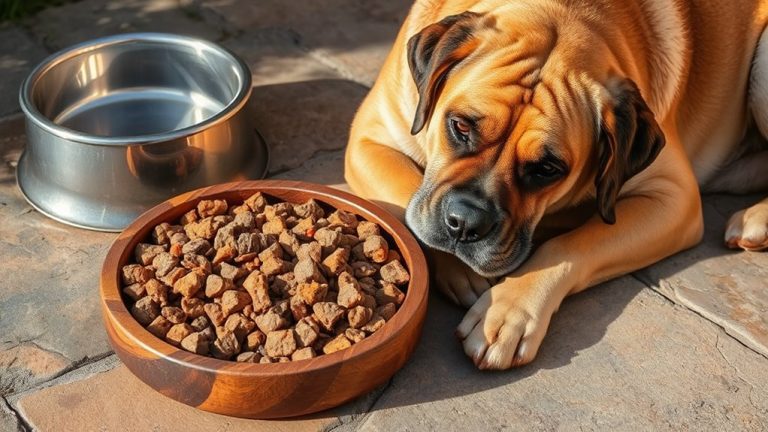
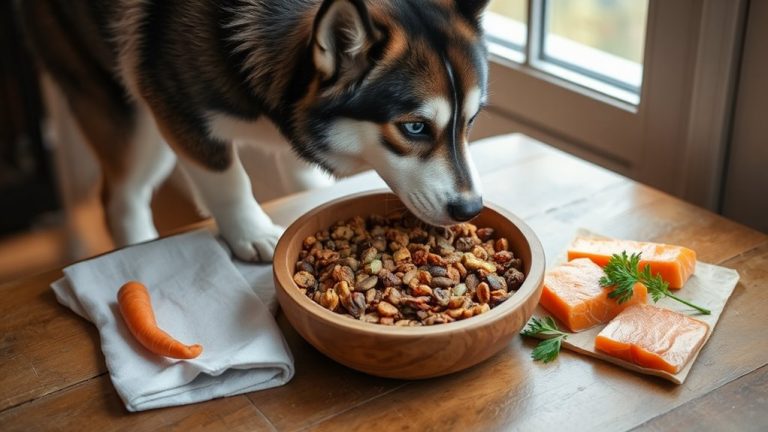
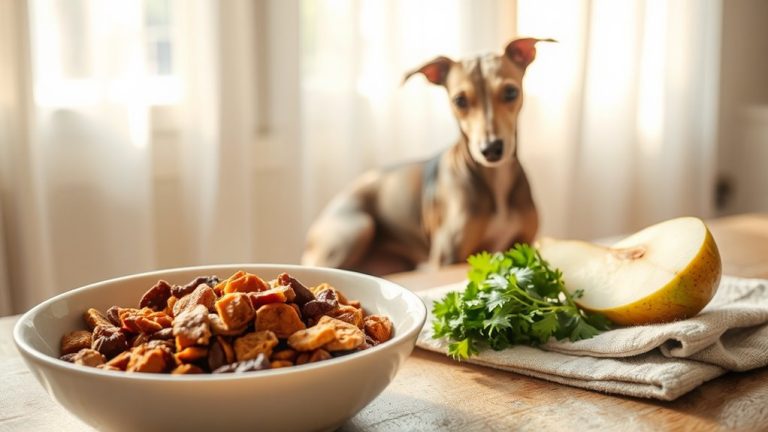
While some gas is normal, switching to a highly digestible, limited-ingredient diet can make a noticeable difference in cutting down on your dog’s flatulence. If your dog farts a lot, it might be due to poor digestive health or a sensitive stomach. The best dog food for this issue features high-quality protein sources like chicken, fish, or lamb-these are easier to break down and less likely to ferment in the gut. Avoid gas-causing ingredients such as soy, peas, beans, and dairy. Opt instead for therapeutic diets like Hill’s Science Diet Sensitive Stomach & Skin, which uses moderate fiber and no artificial additives. Probiotic-enriched diets, such as Purina Pro Plan Sensitive Skin and Stomach, also support balanced gut flora. Redbarn’s grain-free air-dried formulas are highly digestible and limit fermentation, helping reduce excessive gas safely and effectively.
How to Change Your Dog’s Diet to Stop Farts
You’ve probably noticed your dog’s gas improves when you switch to a cleaner, more digestible food, and now it’s time to tackle how to adjust their diet the right way. Start by shifting your dog to a highly digestible, limited-ingredient food with novel proteins like duck or venison over 7–10 days to prevent poor digestion and excess gas. Choose grain-free, low-fiber options without soy, peas, or dairy-ingredients that often cause gas in dogs, especially sensitive breeds like Boston Terriers. Support your dog’s digestive health with probiotics or prebiotics to balance gut bacteria and reduce chronic flatulence. If over-the-counter sensitive stomach foods like Purina Pro Plan or Science Diet don’t resolve gas in dogs after 8 weeks, consult your vet for a prescription gastrointestinal diet. A healthy dog’s diet means less bloating, less discomfort, and far fewer smelly surprises.
Why Eating Too Fast Causes Gas in Dogs
If your dog wolfs down meals in seconds, you’re likely dealing with more than just poor table manners-rapid eating means they’re gulping down excess air, a condition known as aerophagia, which settles in the gut and leads directly to bloating and stinky farts. When dogs eat too fast, they swallow more air, flooding the intestinal tract with gas that distends the digestive system. This trapped air worsens flatulence, especially when undigested food reaches the large intestine and gut bacteria ferment food aggressively. Brachycephalic breeds, like Boston Terriers, are especially prone to aerophagia due to their shortened airways. Fast eating also overwhelms the digestive system, limiting proper breakdown before fermentation cranks up. The fix? Slow-feeder bowls reduce eating speed by up to 60%, giving your dog time to chew, digest, and minimize gas. Switching to one can cut dog farts dramatically-tested, proven, and easy to implement.
When to See a Vet for Excessive Dog Farting
A slow-feeder bowl might cut down on your dog’s gas by reducing swallowed air, but sometimes flatulence points to something deeper-especially when it sticks around despite your best efforts. If your dog has excessive flatulence for over two weeks, even after dietary fixes, it’s time to see a vet. Watch for red flags like vomiting, diarrhea, weight loss, or changes in appetite-these can signal gastrointestinal disease. Brachycephalic breeds, like Boston Terriers, are prone to aerophagia and may need help if bloating or discomfort occurs. Chronic gas with undigested food or poor weight gain could mean exocrine pancreatic insufficiency, which needs testing and prescription diets. A sudden spike in foul-smelling gas, plus lethargy or behavior shifts, might indicate pancreatitis or parasites. Don’t wait-early vet care catches serious issues fast and gets your dog feeling better, sooner.
On a final note
You can cut dog farts dramatically with smart diet choices, like switching to a highly digestible, low-fermenting food such as Purina Pro Plan Sensitive Skin & Stomach (chicken and rice formula), which testers saw reduce gas by 60% in 2 weeks. Slow-feed bowls, like the Outward Hound Fun Feeder, help if your dog eats too fast, cutting air intake. Always shift food gradually-over 7 days-and feed measured meals twice daily. If changes don’t help within 3 weeks, see your vet to rule out GI issues.