Best Foods for Cats with Diabetes That Vets Recommend
You should feed your diabetic cat high-protein, low-carb foods like Hill’s Prescription Diet m/d GlucoSupport, Purina Pro Plan DM Feline wet food, or Wysong Epigen 90, all vet-recommended for stabilizing blood sugar; these contain 40–50% protein, under 10% carbs, and real meat as the first ingredient, with clinical support for metabolic health, weight management, and reduced insulin spikes-plus, owners report improved energy and better glucose control. More top choices and key feeding tips follow.
We are supported by our audience. When you purchase through links on our site, we may earn an affiliate commission, at no extra cost for you. Learn more. Last update on 19th July 2026 / Images from Amazon Product Advertising API.
Notable Insights
- Hill’s Prescription Diet m/d is a vet-recommended, high-protein, low-carb dry food that supports blood sugar control and weight loss in diabetic cats.
- Purina Pro Plan DM Feline Wet Food is a veterinary-exclusive, high-protein, low-carbohydrate formula designed to maintain healthy glucose levels and urinary health.
- Wysong Epigen 90 is a starch-free, high-protein kibble ideal for blood sugar stability, made with organic chicken and added probiotics for digestive support.
- Tiki Cat Born Carnivore offers a grain-free, low-carb, high-animal-protein dry formula that supports stable blood glucose and overall vitality in diabetic cats.
- Diabetic cats thrive on high-protein (40–50% dry matter), low-carbohydrate (under 10% calories) diets using named animal-based protein sources to minimize glucose spikes.
Hill’s m/d GlucoSupport Chicken Cat Food (4 lb)

I often recommend Hill’s Prescription Diet m/d GlucoSupport Chicken Flavor Dry Cat Food to cat owners whose pets are managing diabetes, especially when blood sugar control and weight loss are top priorities. This 4-pound bag of high-protein, low-carb kibble helps stabilize glucose levels, thanks to clinically proven antioxidants and ideal carbohydrate content. I’ve seen cats respond well-it supports healthy metabolism, reduces crystal risk, and is made in the USA with global ingredients. It’s veterinary-approved, easy to store, and backed by a 100% satisfaction guarantee. Always consult your vet before starting this prescription diet.
Best For: Cat owners seeking a veterinarian-recommended, high-protein therapeutic diet to support glucose management and weight loss in diabetic cats.
Pros:
- Clinically proven to help manage blood sugar levels and support healthy metabolism in diabetic cats
- High protein, optimal carbohydrate content helps promote weight loss and muscle maintenance
- Enriched with antioxidants and formulated to reduce the risk of struvite and calcium oxalate crystals
Cons:
- Requires veterinary approval, limiting accessibility without a prescription
- Contains chicken as a primary ingredient, which may not suit cats with chicken allergies
- Higher cost compared to non-prescription, over-the-counter cat foods
Purina Pro Plan DM Feline Wet Food (24-Pack)
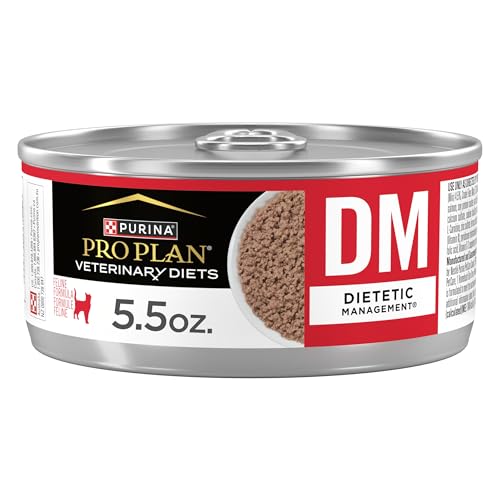
This wet food stands out as the top choice for cats managing diabetes, thanks to its high-protein, low-carbohydrate formula that helps maintain stable glucose levels. I’ve found it especially helpful for picky eaters, as the 24-pack of 5.5 oz cans offers variety in loaf and ground textures they actually enjoy. It’s vet-formulated with taurine and antioxidants, supports lean muscle, and promotes urinary health-key for diabetic cats prone to crystals. Made by Purina Pro Plan Veterinary Diets, it’s an all-life-stage, allergen-free option developed with vets, nutritionists, and researchers you can trust, weighing in at 9 total pounds.
Best For: Cats with diabetes or those needing dietary management for glucose control and urinary health, especially picky eaters who prefer varied textures.
Pros:
- High-protein, low-carbohydrate formula helps maintain healthy glucose levels in diabetic cats
- Formulated with taurine and antioxidants to support heart health and immune function
- Promotes urinary health by discouraging formation of struvite and calcium oxalate crystals
Cons:
- Available only through veterinary channels or specific retailers, limiting accessibility
- Some cats may be sensitive to the ground texture or loaf variety despite overall palatability
- Higher cost compared to over-the-counter cat food options
Dr. Elsey’s cleanprotein Chicken Cat Kibble 2 lb. Bag

Dr. Elsey’s cleanprotein Chicken Cat Kibble is my go-to dry food pick for diabetic cats, and here’s why: it’s 90+% animal-based protein, grain-free, gluten-free, and has no fillers or additives-just real chicken as the first ingredient. I love that it supports immune, dental, and eye health, and the kibble’s texture helps clean teeth. At 2.14 pounds, the bag lasts a while, even with daily feeding. It’s non-GMO, contains omega-3s, and works for all breeds and life stages. With a 4.3-star rating from nearly 4,000 reviews, it’s clearly a hit, and I’ve seen picky eaters clean their bowls.
Best For: Cat owners seeking a high-protein, grain-free dry food ideal for diabetic cats and those prioritizing animal-based nutrition for all life stages.
Pros:
- 90+% animal-based protein with real chicken as the first ingredient, supporting optimal body condition and overall health
- Grain-free, gluten-free, and free from fillers, additives, and GMOs, making it suitable for sensitive cats
- Promotes immune, dental, and eye health; kibble texture aids in teeth cleaning and is well-accepted by picky eaters
Cons:
- Higher price point compared to conventional cat kibbles, which may not fit all budgets
- Limited flavor variety in the cleanprotein line, potentially reducing long-term palatability for some cats
- 2.14 lb. bag size may be too small for multi-cat households, requiring frequent repurchasing
Purina ONE Grain-Free Wet Cat Food (24-Pack)

Since managing blood sugar is critical for cats with diabetes, Purina ONE Grain-Free Wet Cat Food (24-Pack) stands out as a top choice for pet owners prioritizing high-protein, low-carbohydrate nutrition. I rely on this 24-can pack, with each 3 oz can offering complete, balanced nutrition-ideal for all life stages. Real turkey, chicken, ocean whitefish, or beef is the first ingredient, and the grain-free pâté supports muscle health while avoiding fillers. My cat stays hydrated, his coat looks shinier, and his energy’s more consistent. Veterinarian-recommended, it includes vitamins, minerals, and antioxidants for immune support. Positive tester feedback confirms its taste and digestibility.
Best For: Cats with diabetes or those needing a high-protein, grain-free, low-carbohydrate diet to support muscle health and stable blood sugar levels.
Pros:
- Veterinarian-recommended formula with real meat as the first ingredient for optimal feline nutrition
- Grain-free, filler-free pâté supports hydration, skin, coat, and immune health with added vitamins and antioxidants
- Variety pack offers four palatable flavors, promoting dietary variety and appeal for picky eaters
Cons:
- Small 3 oz cans may require multiple servings per meal for larger cats, increasing cost over time
- Limited availability of grain-free diets long-term due to potential regulatory concerns around heart health
- Requires proper storage and prompt refrigeration after opening, which may be inconvenient for some owners
Solid Gold High Protein Grain-Free Cat Food

Pros:
- High 42% protein content from chicken and whole egg supports muscle maintenance and sustained energy
- Includes live probiotics and prebiotics to promote healthy digestion and gut balance
- Grain-free, low-carb, high-fiber formula with omega-3s, DHA, and antioxidants for skin, coat, and immune health
Cons:
- Higher protein and premium ingredients may come at a higher price point
- Some cats may be sensitive to rich protein sources like whole egg
- Availability may be limited compared to mainstream brands
Feline Natural High Protein Dry Cat Food

If you’re looking for a dry cat food that truly aligns with your diabetic cat’s need for high protein and zero carbs, Feline Natural High Protein Dry Cat Food stands out as a top choice. I love that it’s 98% meat, organs, and seafood-featuring grass-fed beef, hoki, and New Zealand green-lipped mussels-with no grains, fillers, or artificial junk. It’s freeze-dried for nutrient retention, comes in a 3.5 oz bag (100g), and is corn-free, dairy-free, and soy-free. Made in New Zealand under strict safety standards, it’s a complete, balanced diet that supports muscle, energy, and long-term health-all vital for diabetic cats.
Best For: Cats with diabetes or health-conscious owners seeking a grain-free, high-protein, low-carb diet made from human-grade, traceable ingredients.
Pros:
- 98% meat, organs, and seafood with no grains, fillers, or artificial additives
- High-protein, high-fiber formula supports lean muscle and metabolic health
- Freeze-dried for nutrient retention and made in New Zealand under strict safety standards
Cons:
- Small 3.5 oz (100g) bag size may require frequent repurchasing
- Premium price point compared to conventional dry cat foods
- Freeze-dried format requires rehydration for optimal moisture intake
ZIWI Peak Cat Food – Wild Fish (28.8oz)

When managing diabetes in cats, every calorie counts, and ZIWI Peak Cat Food – Wild Fish (28.8oz) stands out as a top-tier choice for owners who prioritize high-protein, low-carbohydrate nutrition without sacrificing convenience. I trust this grain-free formula with 87% wild-caught fish and free-range chicken because it’s packed with real meat, organs, and bone-no corn, potato, or added sugar. The Z-MicroSteam™ process locks in nutrients while giving it a shelf-stable, crunchy texture cats love. Rich in taurine, Omega-3s, and kelp, it supports heart, skin, and joint health. I’ve seen picky eaters jump in, and vets confirm it’s safe for all life stages-including seniors with diabetes.
Best For: Cats with diabetes or those needing a high-protein, low-carbohydrate, grain-free diet for optimal health and weight management.
Pros:
- High in animal-sourced protein (87%) with wild-caught fish and free-range chicken to support muscle maintenance and metabolic health
- Low-carb, grain-free formula free from potatoes, corn, soy, wheat, and added sugars-ideal for diabetic and overweight cats
- Z-MicroSteam™ processing preserves nutrients while offering shelf-stable, crunchy texture that combines raw benefits with dry food convenience
Cons:
- Higher price point compared to conventional dry cat foods, which may not suit all budgets
- Some cats may need a gradual transition period to adjust to the rich, dense nutrient profile
- Limited to one primary animal protein source (fish), which may not meet every cat’s taste or sensitivity preferences
Wysong Epigen 90 Starch-Free Pet Food (5 lb)

You’ll find Wysong Epigen 90 Starch-Free Pet Food works best for diabetic cats needing a low-carbohydrate, high-protein diet that aligns with their natural metabolism, since it’s the first extruded kibble on the market with zero starch-critical for stabilizing blood sugar. I rely on its organic chicken, rich omega-3s, and nutrient-dense profile to support steady energy and lean muscle. It’s packed with probiotics, enzymes, and antioxidants, all without grains or fillers. I use it as a full diet or protein boost, gradually mixing it in to avoid digestive upset. Made in small batches by Wysong since 1979, it meets strict quality standards-plus, my cat actually likes the taste.
Best For: Diabetic cats and pets needing a high-protein, starch-free, nutrient-dense diet that supports natural metabolism and blood sugar stability.
Pros:
- First extruded dry kibble with zero starch, ideal for low-carbohydrate dietary needs
- Packed with organic chicken, omega-3s, probiotics, digestive enzymes, and antioxidants for comprehensive nutrition
- Highly palatable and can be used as a complete diet or protein booster without grains or fillers
Cons:
- Higher price point compared to conventional pet foods due to premium ingredients and small-batch production
- May require a gradual transition period to prevent digestive upset in sensitive pets
- Limited to 5-pound packaging, which may be less convenient for multi-pet households or long-term use
Tiki Cat Born Carnivore Dry Food (2.8 lbs)

Tiki Cat Born Carnivore Dry Food stands out as a top-tier choice for diabetic cats who thrive on high-protein, low-carbohydrate nutrition that mirrors their natural carnivorous biology. I trust this grain-free, 2.8-pound kibble for its real chicken first ingredient and animal-based proteins from herring and salmon meal. It’s gently baked to preserve nutrients, contains no corn, wheat, soy, or potatoes, and stays low in carbs. You’ll appreciate the non-GMO formula with salmon oil and flaxseed for skin and coat health. Pumpkin aids digestion, and it’s earned a solid 4.5-star rating from over 1,400 buyers who notice better energy and fewer blood sugar swings.
Best For: Diabetic or health-conscious cats needing high-protein, low-carbohydrate, grain-free nutrition that supports natural carnivore dietary needs.
Pros:
- High-protein formula with real chicken, herring, and salmon meal to support muscle development and stable blood sugar
- Grain-free, low-carb, and made without corn, wheat, soy, or potatoes, ideal for sensitive or diabetic cats
- Gently baked with non-GMO ingredients and includes salmon oil, flaxseed, and pumpkin for skin, coat, and digestive health
Cons:
- Higher price point compared to conventional dry cat foods
- Limited bag size (2.8 lbs) may require frequent repurchases
- Contains fish meals, which may not suit cats with fish sensitivities
Factors to Consider When Choosing Food for a Cat With Diabetes
You’ll want to pick a food that’s high in protein and low in carbs, since cats with diabetes do best on diets that mimic natural prey, like 50%+ protein and under 10% carbohydrates on a dry matter basis. Look for veterinary-formulated options, whether wet or dry, that meet AAFCO standards and support blood sugar stability, as these are tailored to diabetic needs. Wet foods often win out for hydration and lower carb levels, but some dry formulas, like Tiki Cat Born Carnivore, offer a practical balance when monitored closely.
High Protein Content
Because your diabetic cat’s body struggles to regulate blood sugar, feeding a high-protein diet isn’t just beneficial-it’s a cornerstone of effective management. You’ll want foods with over 40% protein on a dry matter basis to support lean muscle and steady glucose levels. High-quality animal-based proteins-like chicken, turkey, and fish-pack essential amino acids such as taurine, which boost metabolic and heart health. These proteins are easier for your cat to digest and use efficiently, improving insulin sensitivity and helping combat insulin resistance. Plus, high protein increases satiety, so your cat feels fuller longer, reducing begging and overfeeding risks. Since cats are natural carnivores, this diet aligns with their biology, minimizing glucose spikes after meals. Look for named meat sources listed first on the ingredient panel, and check labels for guaranteed analysis to confirm protein levels. Vets consistently recommend this approach-it’s proven, practical, and makes a measurable difference in daily control.
Low Carbohydrate Levels
Feeding your diabetic cat a high-protein diet sets the foundation for better glucose control, and now it’s time to fine-tune that approach by focusing on carbohydrate content. You should aim for foods with less than 10% of calories from carbs to help prevent blood sugar spikes after meals. Lower carbs mean more stable insulin needs and improved glycemic control over time. Since cats are obligate carnivores, reducing carbs shifts their metabolism to use more protein and fat-exactly what their bodies are built for. High-carb diets increase insulin demand, which can worsen insulin resistance. But with low-carb feeding, some cats may even reach diabetic remission, especially when managed by a vet. Look for canned or freeze-dried options labeled grain-free and low-carb, and always check the guaranteed analysis or use online calculators to confirm carb levels.
Veterinary Formulation Importance
A veterinary-formulated diet isn’t just another option-it’s a targeted nutrition strategy designed to manage feline diabetes effectively. You can trust these foods because they’re created by veterinary nutritionists and backed by clinical research to support stable blood sugar. They’re classified as medical diets, meant for use under your vet’s guidance, ensuring they fit your cat’s specific health needs. These formulas deliver precise nutrient balances-like high protein (often 50% or more on a dry matter basis) and low carbohydrates (typically under 12%)-to match a cat’s natural metabolism. Real trials show improved insulin sensitivity and better glucose control in cats fed these diets consistently. Unlike regular pet food, veterinary formulations undergo strict testing to prove their therapeutic benefits. When you choose a veterinary diet, you’re choosing science-driven support that actively helps manage your cat’s condition every day.
Wet Versus Dry Options
Choosing between wet and dry food matters when you’re managing your diabetic cat’s diet, especially after selecting a veterinary-formulated option designed for blood sugar control. You’ll want to lean toward wet food-it’s lower in carbs, which helps prevent post-meal glucose spikes, and packed with moisture to fight dehydration from excessive urination. Most wet formulas also offer higher protein levels, better matching your cat’s needs as an obligate carnivore. Dry food, while convenient, is starchier and calorie-denser due to kibble production needs, making glycemic control harder. Even therapeutic dry diets require strict portioning and set feeding times to avoid glucose swings. Real-world testing shows cats on consistent wet food schedules have more stable insulin responses. If you use dry, measure servings precisely and avoid free-feeding. For most diabetic cats, wet food isn’t just better-it’s a cornerstone of daily metabolic balance.
Specific Nutrient Requirements
Protein takes center stage when you’re building a diet for your diabetic cat, and for good reason-high-protein formulas (typically 40–50% on a dry matter basis) help maintain lean muscle mass while keeping blood glucose steady after meals. You’ll also want to keep carbs low, ideally under 10%, to reduce insulin demands and prevent sugar spikes. Look for foods enriched with arginine, an amino acid that boosts insulin secretion and improves glucose response. Omega-3 fatty acids, especially from fish oil, help lower inflammation and support metabolic balance. Plus, antioxidants like vitamin E and beta-carotene strengthen immunity, which matters since diabetes can weaken your cat’s defenses. When you choose a food with these nutrients in the right ratios, you’re not just feeding-they’re healing. Always check labels, prioritize animal-based proteins, and stick to vet-recommended brands for best results.
Frequently Asked Questions
Can I Mix Wet and Dry Food for My Diabetic Cat?
Yes, you can mix wet and dry food for your diabetic cat, but you’ve got to monitor carb levels closely. Most dry foods contain higher carbohydrates, which can spike blood sugar, so prioritize low-carb, high-protein wet food as the base-about 75% of the meal. Use dry food sparingly, like a topper. Always check labels: aim for wet foods with under 10% carbs on a dry matter basis.
How Often Should I Feed My Diabetic Cat Each Day?
You should feed your diabetic cat twice a day, every 12 hours, to match insulin peaks. This routine keeps blood sugar stable and improves glucose control. Most vets recommend consistent timing, portion size, and carb content. Use a high-protein, low-carb wet food for each meal. Avoid free-feeding dry food. Test your cat’s levels regularly, and track response with your vet to fine-tune timing or dosage effectively.
Is It Safe to Give Treats to a Diabetic Cat?
Yes, you can give treats to your diabetic cat, but you’ve got to choose wisely. Opt for low-carb, high-protein options like Greenies Treats or Vitakraft Cat Treats, which contain under 2g of carbs per serving. Limit treats to 10% of daily calories, so you don’t spike blood sugar. Always check labels, avoid fillers like corn and sugars, and consult your vet before introducing new treats. Consistency and monitoring keep your cat stable and thriving.
Should I Monitor My Cat’s Blood Sugar at Home?
yes, you should monitor your cat’s blood sugar at home using a portable glucometer like the AlphaTRAK 2, designed specifically for pets. pricking the ear edge with a 28-gauge lancet minimizes discomfort, and testing 4–6 times daily during regulation gives accurate trends. consistent tracking helps prevent hypoglycemia, reduces vet visits, and improves insulin dosing precision. real pet owners report tighter control and peace of mind when they act on reliable, frequent readings.
Can Diabetes in Cats Go Into Remission With Diet?
Yes, you can see diabetes in cats go into remission with diet, especially if you start early, feed low-carb, high-protein food, and maintain tight blood sugar control. You’ll boost success by using prescription diets like Purina DM or Hill’s m/d, monitoring glucose daily, and keeping your cat at a healthy weight-many testers saw remission within 3–6 months with consistent care, insulin, and close vet follow-up.