Best Dog Food for Megaesophagus
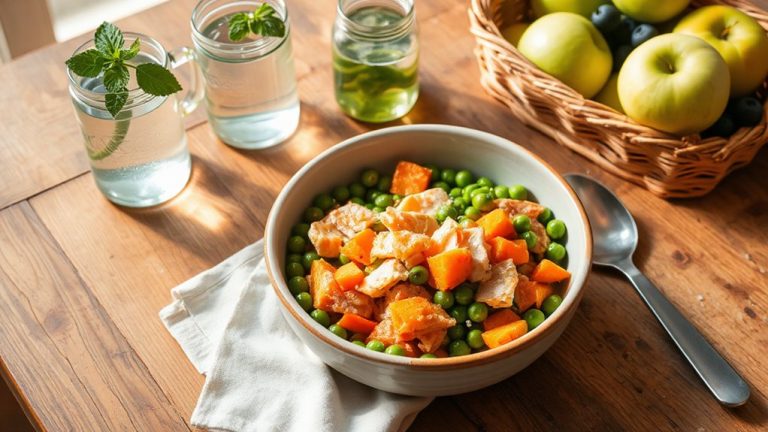
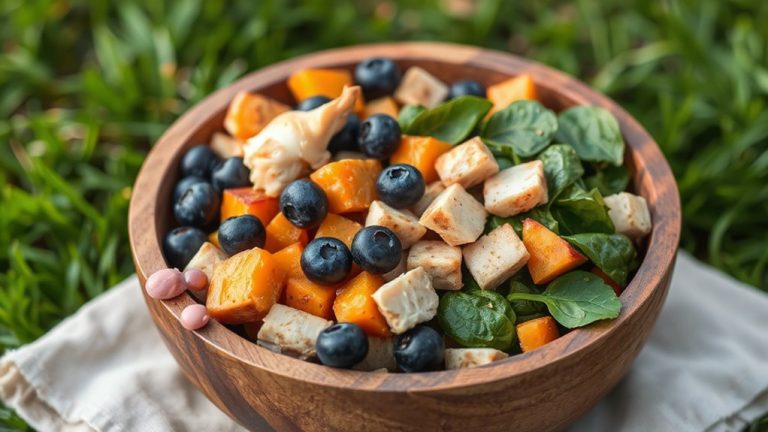
Feed your dog food with a cohesive, pudding-like texture that won’t break apart, like mashed soaked kibble rolled into 1-inch meatballs or firm pâté-style canned food. Try rehydrated freeze-dried diets such as Grandma Lucy’s Artisan, blended to a porridge-like consistency. Avoid thin slurries unless directed. Use a Bailey Chair for upright feeding, keep your dog vertical 15–30 minutes after meals, and opt for Thick-It® water or gelatin cubes to hydrate safely. Some dogs do well with blended wet food mixed with water or broth-experiment to see what works best in your routine.
We are supported by our audience. When you purchase through links on our site, we may earn an affiliate commission, at no extra cost for you. Learn more. Last update on 19th July 2026 / Images from Amazon Product Advertising API.
Notable Insights
- Mashed soaked kibble formed into 1-inch meatballs creates a cohesive bolus that moves easily through the esophagus.
- Firm pâté-style canned foods are preferred over gravies or stews to reduce aspiration risk.
- Rehydrated freeze-dried diets should be prepared to a soft, porridge-like consistency for safe swallowing.
- Blended slurries using wet pâté, water, broth, or applesauce allow controlled, safe viscosity.
- Upright feeding in a Bailey Chair after meals helps gravity move food to the stomach and prevents regurgitation.
Choose the Safest Food Textures for Megaesophagus
While every dog with megaesophagus has unique needs, finding the safest food texture is essential to minimize aspiration risk and support smooth digestion. You’ll want to prioritize food consistency that forms a cohesive bolus, like mashed soaked kibble rolled into 1-inch meatballs, which many dogs tolerate well. Firm pâté-style canned dog food is often preferred over gravies or stews-it’s less likely to separate and aspirate. Rehydrated freeze-dried diets, such as Grandma Lucy’s Artisan, create a soft, soup-like texture when fully soaked, promoting safe esophageal transit. Blended mixtures, made by mixing wet pâté with water, broth, yogurt, or applesauce, let you fine-tune viscosity. Avoid milkshake-thin slurries unless advised-dogs with oral or pharyngeal dysfunction can’t manage them safely. With careful testing, you can find a reliable texture that supports reliable swallowing and better nutrition day after day.
Make Easy-to-Swallow Slurries and Gruels at Home
You’ve already explored the safest textures for dogs with megaesophagus, from meatball-shaped kibble mashes to firm pâtés that reduce aspiration risk, and now you can take that a step further by creating customized slurries and gruels right in your kitchen. Blend one can of pâté-style wet dog food with ½ can of water for a smooth, milkshake-like consistency that moves easily down the esophagus. Or, rehydrate freeze-dried options like Grandma Lucy’s Artisan food to a porridge-like texture for better swallowing and hydration. Some dogs prefer slightly thicker slurries, so adjust blending time as needed. For extra moisture and safe fluid intake, add jelly made from 4 packets of gelatin, water, and low-sodium broth-or serve it as gelatin cubes. Always feed your dog food in an upright position and keep them elevated 20–30 minutes after eating to let gravity move the meal into the stomach.
Feed Your Dog Upright Using a Bailey Chair
Since proper positioning plays a key role in managing megaesophagus, feeding your dog in a fully upright position using a Bailey Chair can make a real difference in getting food to move safely from mouth to stomach. The Bailey Chair supports vertical feeding, holding your dog with megaesophagus securely in place like a seated human, so gravity can help move food. After meals, keep your dog upright for 15–30 minutes to guarantee food and water fully clear the esophagus and reduce regurgitation risk. Commercial Bailey Chairs are available online, or you can build one from a highchair or modified laundry basket. Small dogs that don’t fit standard models can be safely held upright during and after feeding. Consistent use of the Bailey Chair makes vertical feeding practical, effective, and essential for long-term care.
Hydrate Safely Without Aspiration Risk
Keeping your dog in an upright position during meals isn’t just about helping food reach the stomach-it also sets the stage for safe hydration, a challenge that demands equal attention with megaesophagus. Drinking water can lead to aspiration pneumonia, so safe water intake is essential. Pet parents should avoid syringing water-too risky. Instead, try these safer options:
| Method | Benefit |
|---|---|
| Thick-It®-thickened water | Pudding-like, slow-moving |
| Gelatin cubes (4 packets + 1 cup water + 1 cup broth) | Solid hydration, low aspiration risk |
| Soaked kibble slurry | Adds moisture, easy to manage |
| Subcutaneous fluids | For dogs needing extra support |
Always keep your dog upright 20–30 minutes after drinking water or consuming any liquid. These steps reduce aspiration pneumonia risk while boosting hydration.
Switch to Alternative Feeding If Needed
If your dog continues to struggle with regurgitation, weight loss, or repeated aspiration pneumonia despite adjusting food texture and upright feeding, it might be time to contemplate alternative feeding methods. Dogs with megaesophagus need reliable nutrition, and if your dog suffers from megaesophagus with persistent aspiration, a PEG tube could be the next step. This tube delivers food or water directly into your dog’s stomach, bypassing the esophagus entirely. Megaesophagus need to eat meals that are calorie-dense and blended, which PEG feeding supports. Some dogs do well with a mix of upright oral feeding and supplemental tube use. Veterinarians often recommend this shift when oral intake fails to maintain weight or when pneumonia risks stay high. PEG tubes are durable, manageable at home, and let you continue giving nutrients safely while reducing the danger of inhalation.
On a final note
You’ve got this, and so does your dog. Choose slurry-like gruels with soaked kibble or canned food blended with warm water-aim for honey-thick consistency. Use a Bailey chair for 20–30 minutes post-meal to prevent aspiration. Feed smaller portions 3–4 times daily. Always hydrate between meals, not during, using fresh water or low-sodium broth. If needed, talk to your vet about gel foods or feeding tubes. Consistency and posture save lives.