Best Companion Dog for Pitbull
Your Pit Bull does best with a companion like a German Shepherd or Golden Retriever, breeds that match his energy and trainability, needing 60+ minutes of daily exercise and thriving on joint play. Beagles, Basset Hounds, or Basenjis offer calm balance, reducing tension. Start introductions in neutral zones with two handlers, using parallel walks to build familiarity. Watch for stiff postures or raised hackles, and always supervise early interactions. Enroll both in professional training-86% of Pit Bulls pass temperament tests, proving they can coexist peacefully with the right start. You’ll soon discover how simple harmony can be with the right steps.
We are supported by our audience. When you purchase through links on our site, we may earn an affiliate commission, at no extra cost for you. Learn more. Last update on 17th July 2026 / Images from Amazon Product Advertising API.
Notable Insights
- German Shepherds make excellent companions for Pit Bulls due to shared energy levels and high trainability.
- Golden Retrievers offer friendly, social temperaments that complement a Pit Bull’s outgoing nature.
- Beagles provide calm, gentle energy, helping balance a Pit Bull’s exuberance in a household.
- Basset Hounds’ relaxed dispositions suit cohabitation, reducing tension with more energetic Pit Bulls.
- Basenjis are non-confrontational and less vocal, minimizing conflict and promoting peaceful coexistence.
Best Dog Breeds That Get Along With Pit Bulls
While every dog is different, pairing your Pit Bull with another breed that matches their energy and temperament can lead to a more harmonious home, and a few breeds stand out as particularly compatible. Pit bull terriers often thrive alongside German Shepherds, thanks to their trainability, high energy, and responsiveness to commands-both need 60+ minutes of daily exercise and excel in obedience training. Golden retrievers are another top match; their friendly, social nature complements your Pit Bull’s affectionate personality, and both breeds score high in temperament tests, showing low aggression and strong adaptability. Beagles and Basset Hounds also work well, offering gentle, calm temperaments that balance your dog’s exuberance. Basenjis, though quieter and less vocal, avoid confrontations, reducing tension. Choose breeds with similar activity needs-aim for 30–60 minutes of joint playtime daily-to support healthy behavior, minimize anxiety, and strengthen bonding through consistent, positive interaction.
How to Introduce a New Dog to Your Pit Bull
Since your Pit Bull’s comfort and safety come first, start the introduction in a neutral spot like a quiet park or shelter yard where no dog feels territorial. This is key in learning how to introduce a new dog to your Pit Bull safely. Use two handlers, keep leashes loose in a U-shape, and take parallel walks to encourage calm scent exchange and reduce tension. Watch closely-stiffness, raised hackles, or lip curling could signal dog aggression. Stop immediately if you see fear or stress. Avoid dog parks; they’re unpredictable and lack control. Only move to off-leash time in a secure, fenced area after multiple successful walks. Let your Pit Bull roam free while the new dog stays leashed. Patience builds trust, helping them start getting along safely, confidently, and for the long term.
Are Pit Bulls Good With Other Dogs?
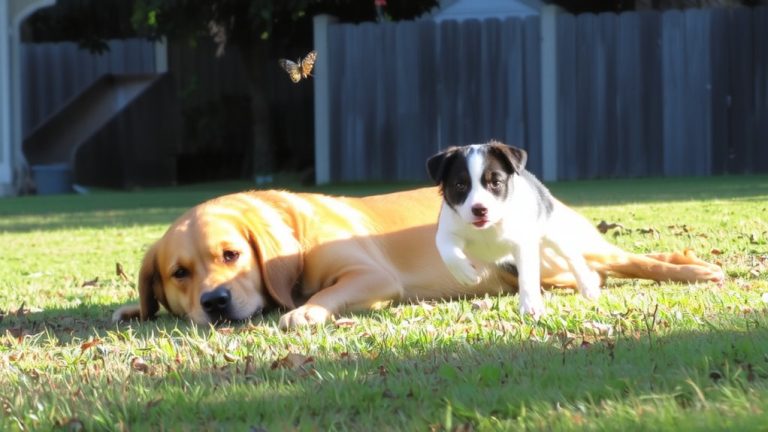
You’ll find that pit bulls can get along well with other dogs, but it really depends on the individual dog’s temperament, with studies showing 86% pass standard temperament tests that measure stability and friendliness around other animals. Many pit bulls play well with others, especially when socialized early through positive, controlled interactions. Some are dog-selective or prone to dog-directed aggression, so supervision is key. Others are highly social and thrive alongside different breeds. Proper introductions on neutral ground, using leashed walks and repeat meetings, help them get along smoothly. Breeds like Golden Retrievers, Beagles, German Shepherds, and even smaller dogs like Chihuahuas often coexist successfully with pit bulls when matched well. You’ll boost compatibility by focusing on your pit bull’s unique personality, not stereotypes. With thoughtful pairing, your pit bull can play well and build strong, friendly bonds.
Training Both Dogs to Coexist Peacefully
Getting your pit bull to live peacefully with another dog starts with intentional training that builds trust and clear communication between both animals. Begin socialization early using controlled, neutral-site meetings with a calm, well-tempered dog to develop positive social skills. Use two handlers during intros, each with a loose nylon or leather leash in a U-shape, reducing tension and allowing quick separation if needed. Watch closely-stiff posture, raised hackles, or lip curling may signal aggression towards the other dog, requiring immediate redirection. After successful leash walks, progress to off-leash play in a secure, fenced yard, starting with one dog off-leash while the other stays under obedience control. Enroll both in professional training to strengthen recall and behavior management in distraction-heavy settings. Consistent training prevents conflict and fosters lasting harmony.
On a final note
You’ve got this, and so does your pit bull. With proper training, consistent feeding schedules, and vet-approved nutrition, your pup thrives. Pair them with a calm, socialized breed like a Labrador or Beagle, introduce them slowly using a 6-foot leash, and always supervise. Real testers report success using positive reinforcement, high-value treats like Zuke’s Mini Naturals, and patience. Your efforts build trust, reduce stress, and create a balanced, happy home for both dogs.