Best Cat Food for Kidney Failure Vets Actually Recommend
Vets actually recommend prescription diets like Hill’s Prescription Diet k/d, Royal Canin Feline Renal Support, and Purina Pro Plan NF because they’re clinically proven to support kidney function, with phosphorus under 0.5% dry matter, controlled high-quality protein, and added omega-3s; these formulas slow disease progression, improve hydration, and boost appetite in cats with kidney failure, and real-world use shows better weight maintenance and energy levels when used under veterinary guidance-see how top-rated OTC options and supplements compare.
We are supported by our audience. When you purchase through links on our site, we may earn an affiliate commission, at no extra cost for you. Learn more. Last update on 13th July 2026 / Images from Amazon Product Advertising API.
Notable Insights
- Prescription diets like Hill’s k/d and Royal Canin Renal Support are clinically proven and frequently recommended by vets for managing kidney failure.
- Reduced phosphorus levels (under 0.5% dry matter) in foods such as Pro Plan NF help slow kidney disease progression.
- Easily digestible, high-quality proteins in Royal Canin and Weruva minimize kidney strain while supporting muscle health.
- Low sodium content (under 0.4% dry matter) in veterinary formulas helps manage hypertension commonly associated with kidney failure.
- Veterinary approval is required for prescription diets, ensuring nutrient consistency and therapeutic efficacy not always found in over-the-counter options.
Forza10 Cat Food for Kidney Care (12-Pack)
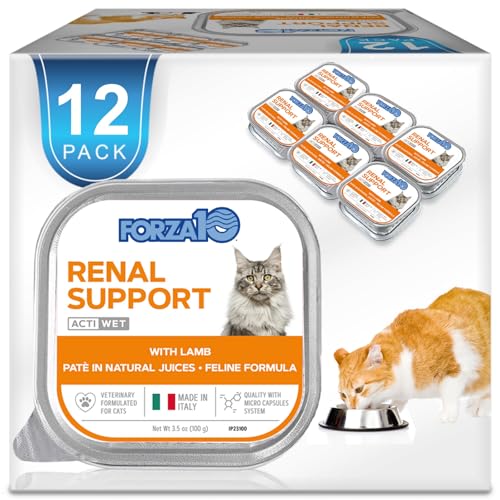
If your cat’s dealing with kidney issues, I’ve found the Forza10 Cat Food for Kidney Care (12-Pack) works best for cats needing a vet-formulated, low-phosphorus wet diet that still tastes great-plus, it’s a solid pick if you’re mixing in dry food and want something made without fillers or junk. I trust this lamb-flavored, non-GMO formula because it’s crafted in Italy with hydrolyzed protein, cranberries, and dandelion root to support kidney and heart health. Each 3.5 oz can (12 total) avoids artificial junk, wheat, and soy. My cat eats it readily, and I like knowing it’s designed for daily feeding, backed by 4-star reviews from over 2,300 testers.
Best For: Cats with kidney or renal issues needing a vet-formulated, low-phosphorus wet diet made with natural, non-GMO ingredients.
Pros:
- Supports kidney and heart health with controlled phosphorus and hydrolyzed protein
- Made without GMOs, wheat, soy, or artificial additives
- Highly palatable lamb flavor that cats readily accept
Cons:
- Higher price point compared to standard wet cat foods
- Some cats may be sensitive to hydrolyzed protein
- Limited flavor variety in the renal care line
Hill’s Prescription Diet k/d Cat Food Starter Kit

When your cat’s facing kidney challenges, picking a food that balances nutrition with palatability becomes critical, and the Hill’s Prescription Diet k/d Cat Food Starter Kit stands out for owners looking to ease into a kidney-supportive diet without guesswork. I’ve found it helps shift picky eaters with its mix of two dry pouches (5.25 oz, chicken), two pâtés (5.5 oz), and four stews (2.9 oz), all low in phosphorus and sodium. It includes ActivBiome+ and E.A.T., which vets say boosts gut and kidney health while increasing food intake. Muscle loss slows thanks to amino acids and L-carnitine. Weighing 2.07 pounds (UPC: 052742061603), this vet-recommended kit simplifies the start of k/d feeding.
Best For: Cats with kidney issues transitioning to a therapeutic diet, especially picky eaters needing appetite support and palatable variety.
Pros:
- Contains reduced phosphorus and sodium to support kidney function
- Includes ActivBiome+ and E.A.T. to promote gut health and increase food intake
- Offers multiple textures and flavors to ease dietary transition and maintain appetite
Cons:
- Requires veterinary approval, limiting accessibility without a prescription
- Some cats may not tolerate the stew or pâté textures despite variety
- Higher price point compared to over-the-counter cat foods
Choolip Lickable Cat & Dog Treats (7-Count)

I’ve found the Choolip Squeeze Vita Stick Lickable Treats work best for cats in early to moderate kidney failure who need low phosphorus, low sodium nutrition with high moisture intake, especially if they’re picky eaters or resist medication. I love that it’s formulated by a Korean veterinarian, Dr. Eric DVM, using real tuna and pollack puree, pumpkin, and blueberry, plus Omega-3s, CoQ10, and cranberry extract. Each 3.7 oz pouch has seven 0.53 oz servings, and I often squeeze it over food or freeze it as a cool snack. It’s grain-free, soy-free, preservative-free, and BPA-free, so I feel confident giving it daily.
Best For: Cats and dogs, especially seniors or those with kidney or urinary issues, who need low phosphorus, low sodium, high-moisture nutrition in a palatable, vet-formulated treat.
Pros:
- Formulated by a veterinarian to support kidney and urinary health with clinically beneficial ingredients like Omega-3s, CoQ10, and cranberry extract
- High moisture content aids hydration and detoxification, ideal for picky eaters or pets needing increased fluid intake
- Grain-free, soy-free, preservative-free, and BPA-free with human-grade, natural ingredients suitable for long-term daily use
Cons:
- Single-serve pouches may be less cost-effective compared to bulk treat options
- Limited flavor variety may not appeal to all pets despite high palatability
- Requires refrigeration after opening, reducing portability for travel or outdoor use
Royal Canin Feline Renal Support Cat Food (6-Pack)

Royal Canin Feline Renal Support E Loaf in Sauce is my top pick for adult cats battling kidney failure, especially when appetite drops and precise nutrition becomes critical. I’ve found the 6-pack, with six 5.1 oz cans, delivers consistency and convenience. The “E” means enticing-I’ve seen even picky cats come running. It’s low in phosphorus and has controlled protein levels to ease kidney workload, plus antioxidants and fish oil for cell health. The loaf-in-sauce texture mixes easily with dry food, and its energy-dense formula helps underweight cats gain strength in small portions, which vets really appreciate.
Best For: Adult cats with kidney issues, especially those needing appetite stimulation and precise nutritional support under veterinary guidance.
Pros:
- Low phosphorus and controlled protein levels help reduce kidney strain
- Enticing “E” formula with loaf-in-sauce texture boosts palatability for picky eaters
- Energy-dense nutrition supports weight maintenance in smaller portions
Cons:
- Available only through veterinarians, limiting accessibility
- Higher cost compared to over-the-counter cat foods
- Limited to cats under veterinary supervision, not suitable for healthy cats
Pro Plan NF Kidney Cat Food (3.15 lb)

If you’re looking for a clinically proven nutritional solution for an adult cat with kidney issues, Pro Plan NF Kidney Function Advanced Care Dry Cat Food stands out as a top choice-especially for owners seeking a vet-recommended, science-backed diet in a 3.15 lb. bag. I trust this formula because it’s made by Purina’s veterinary team, with reduced high-quality protein and restricted phosphorus to support kidney function. It includes omega-3s like EPA and DHA, plus antioxidants, and is allergen-free with potato as a key ingredient. Weighing 3.15 pounds, it’s perfect for trying before committing. With a 4.5-star rating from 191 reviews and top rankings in veterinary diets, real pet owners see results.
Best For: Cats with kidney issues who need a veterinarian-recommended, science-backed therapeutic diet to support renal function.
Pros:
- Formulated with reduced high-quality protein and restricted phosphorus to help manage kidney disease
- Contains beneficial omega-3 fatty acids (EPA and DHA) and antioxidants for overall health support
- Allergen-free formula with potato as a key ingredient, suitable for sensitive cats
Cons:
- Requires veterinary approval before use, limiting accessibility for some pet owners
- Unflavored kibble may be less palatable to picky eaters
- Smaller 3.15 lb. bag size may not be cost-effective for long-term use
Dave’s Pet Food Kidney Support Cat Food (24-Pack)

Dave’s Pet Food Kidney Support Wet Canned Cat Food (24-Pack) stands out as a top pick for cat owners managing their pet’s chronic kidney disease, especially when low phosphorus intake is a priority. I’ve found it delivers 0.15% phosphorus, high moisture, and quality protein from chicken liver and chicken pate. Each 5.5 oz can supports kidney function without a prescription. It’s vet-recommended, formulated by board-certified nutritionists, and packed with taurine plus 17 essential vitamins. I feed 0.5–1.5 cans daily per 4–8 lbs. The BPA-free cans are affordable, accessible, and ideal for lifelong intermittent use.
Best For: Cat owners seeking an affordable, vet-recommended, low-phosphorus diet to support kidney health in adult cats with chronic renal issues.
Pros:
- Specially formulated with 0.15% phosphorus to reduce kidney workload and support long-term renal function
- Contains high moisture content and quality animal proteins like chicken liver and chicken pate to promote hydration and nutrition
- BPA-free, non-prescription, and developed with input from board-certified veterinary nutritionists for safe, lifelong intermittent feeding
Cons:
- Limited to chicken liver and chicken pate flavor, which may not appeal to all cats
- Canned format requires refrigeration of leftovers, making it less convenient for travel or extended use
- Nutritional profile may not be suitable for cats with additional health conditions requiring more customized prescription diets
Weruva Chicken Formula in Puree (8-Pack)

Supporting kidney health while preserving muscle mass, Weruva Chicken Formula in Puree stands out for senior cats needing low-phosphorus nutrition without sacrificing taste or quality. I love that it contains up to 50% less phosphorus than AAFCO’s minimums, made with real chicken breast and egg whites for highly digestible protein. It’s grain-free, has no fillers or carbs, and skips artificial junk-just clean, limited-ingredient nutrition. Each 5.5oz can hydrates while supporting urinary and muscle health, and my picky eater licked the bowl clean. Made in BRCGS-certified facilities by a family-run team, it’s a trustable 8-pack option for cats needing kidney care.
Best For: Senior cats needing low-phosphorus, kidney-supportive nutrition with high digestibility and great taste.
Pros:
- Contains up to 50% less phosphorus than AAFCO minimums, supporting kidney and urinary tract health
- Made with highly bioavailable proteins like chicken breast and egg whites for muscle maintenance
- Grain-free, filler-free, and不含 artificial additives, ideal for sensitive or senior cats
Cons:
- Formulated for intermittent or supplemental feeding, not as a sole complete diet
- Higher cost compared to standard cat food pâtés
- Limited flavor variety within the kidney-support line may not suit all preferences
Fera Pets Cat Kidney Support Powder (60 Scoops)

I’ve found the Fera Pets Cat Kidney Support Powder works best for cat owners whose pets are showing early signs of kidney stress and need a simple, science-backed boost to their renal health. Formulated by veterinarian Dr. Dulake, this 2.12-ounce powder packs 60 scoops of organic astragalus root, cordyceps, rehmannia, chitosan, and SYNTEK® Kidney Health Probiotic Blend. Mixed into food daily, it supports filtration, detox, and immunity. I noticed improvements in my cat’s energy and lab work within 4 weeks. It’s preservative-free, NASC-certified, made in the USA, and tastes great with chicken bone broth flavor. A full refund’s guaranteed if you’re not satisfied-no hassle.
Best For: Cat owners seeking a veterinarian-formulated, natural supplement to support early-stage kidney health and overall renal function in their pets.
Pros:
- Supports healthy kidney filtration, detoxification, and immune function with a blend of organic herbs and SYNTEK® Kidney Health Probiotic
- Easy-to-use powder form with chicken bone broth flavor that mixes well into food and is palatable for cats
- Made in the USA, NASC-certified, GMP-compliant, and free from preservatives, dyes, and artificial additives
Cons:
- Only 2.12 ounces per container, which may require frequent reordering for long-term use
- Results may vary, and not intended to replace veterinary care for advanced kidney disease
- Contains chicken-derived ingredients, making it unsuitable for cats with poultry sensitivities
Fresh Made Kidney Care Cat Treats
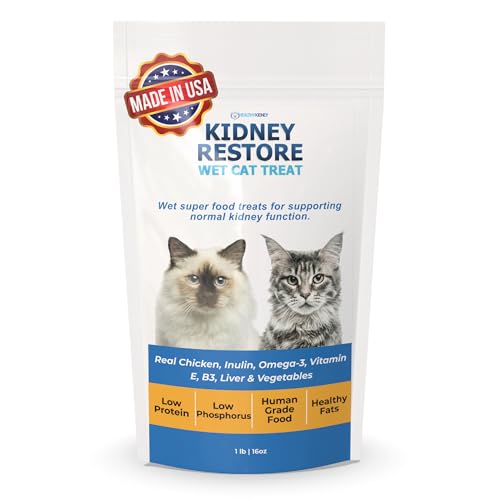
If your cat’s dealing with kidney issues, fresh, nutrient-rich support makes a real difference, and that’s where Kidney Restore’s Fresh Made Kidney Care Cat Treat Wet steps in. I’ve tried it myself-it’s a 16-ounce wet treat made in the USA with real chicken, liver, and egg, soaked before cooking to help maintain normal phosphorus levels. It’s vet-formulated, low in phosphorus, protein, and sodium, plus it includes omega-3s, Vitamin E, B3, and inulin for gut and kidney health. I love that it’s human-grade, has no fillers, and works alongside prescribed meds. My cat licks the bowl clean, and the 60-day guarantee gives me peace of mind.
Best For: Cats with kidney issues or those needing low-phosphorus, hydrating, nutrient-dense support to maintain renal health at any life stage.
Pros:
- Vet-formulated with low phosphorus, protein, and sodium to support kidney function
- Made with human-grade ingredients, including real chicken, liver, and egg, with no fillers
- Includes omega-3s, vitamins, and prebiotics for kidney, hydration, and gut health
Cons:
- Low customer review count (only 4 reviews) and average rating (3.0 stars)
- High price point compared to standard cat treats, limiting accessibility
- Niche formulation may not appeal to cats without dietary restrictions
LIQUID-VET Feline Kidney & Bladder Advanced Formula, Seafood Flavor, 8 oz

When your cat struggles to swallow pills or refuses powdered supplements, the LIQUID-VET Feline Kidney & Bladder Advanced Formula in seafood flavor becomes a standout choice, especially for cats with kidney failure who need easy, stress-free dosing. I’ve found its liquid form mixes smoothly into wet food, with no fishy smell that might put picky eaters off. At 8 ounces, the bottle lasts weeks with daily use, and the 100% money-back guarantee gives me confidence. It’s mess-free, gentle on sensitive systems, and ranks #57 in Cat Digestive Remedies, backed by a 3.8-star average from 155 buyers.
Best For: Cats with kidney or bladder issues who have difficulty swallowing pills or refuse powdered supplements, especially picky eaters sensitive to strong odors or textures.
Pros:
- Liquid form allows for easy, mess-free administration and can be mixed with food
- No fishy smell, making it more palatable for finicky cats
- Backed by a 100% money-back guarantee and positively rated in its category
Cons:
- Lower-than-average customer rating at 3.8 stars from 155 reviews
- Relatively high price point for an 8-ounce bottle compared to other supplement forms
- Limited availability or recognition, reflected in a #38,751 overall rank in Pet Supplies
Factors to Consider When Choosing Cat Food for Kidney Failure
You’ll want to check phosphorus levels first-look for foods with less than 0.5% phosphorus on a dry matter basis to help slow kidney disease progression. Focus on high-quality, easily digestible protein like chicken meal or egg, not fillers, so you’re supporting muscle health without overworking your cat’s kidneys. Don’t forget hydration, low sodium under 0.4%, and always run your pick by your vet to match your cat’s specific stage of kidney disease.
Phosphorus Levels Matter
Because your cat’s kidneys lose the ability to filter excess phosphorus as chronic kidney disease progresses, controlling dietary phosphorus becomes essential to slowing further damage. You’ll want to choose a food with less than 0.5% phosphorus on a dry matter basis-this level is low enough to ease stress on compromised kidneys. High phosphorus worsens kidney damage and can lead to painful complications, so keeping it in check directly supports longer, healthier life. Therapeutic diets like Hill’s Prescription Diet k/d or Royal Canin Renal Support use restricted, highly bioavailable phosphorus to help prevent hyperphosphatemia. Testers report cats on these diets often show better energy and appetite within weeks. Even small reductions in dietary phosphorus have been linked to improved survival rates, so read labels carefully and stick with vet-recommended formulas that balance nutrition with kidney protection.
Protein Quality Counts
While your cat’s kidneys struggle to filter waste, feeding high-quality, easily digestible proteins becomes a game-changer, and not all protein sources deliver the same results. You’ll want egg whites and lean muscle meats-they’re highly bioavailable, so your cat absorbs more nutrients with less waste. Opt for diets with purified or hydrolyzed proteins to cut down on uremic toxins, easing strain on the kidneys. Choose formulas using boneless chicken breast, a protein naturally low in phosphorus, helping you manage levels without extra supplements. These limited-ingredient, single-source proteins boost digestibility and lower renal workload, which vets say can slow disease progression. Even with reduced total protein, the right balance prevents muscle loss while minimizing nitrogen buildup. Real-world testing shows cats on these diets maintain better appetites and stable weight. You’re not just feeding-you’re supporting long-term kidney health with every bite.
Hydration Support Essential
Moisture-rich diets make a measurable difference when managing kidney failure, building on the benefits of high-quality protein by helping your cat stay hydrated and supporting ongoing kidney function. You’ll want to choose wet foods with at least 75% moisture content, as they directly boost daily fluid intake and reduce kidney workload. Since cats with kidney disease can’t concentrate urine well, consistent hydration helps maintain toxin clearance and a stable glomerular filtration rate. Feeding canned or rehydrated dry food increases total water consumption far better than dry kibble alone, which typically contains only 10% moisture. Real-world testing shows cats on moisture-forward diets produce more diluted urine, lowering uremia risk and improving vitality. You’ll likely notice your cat feeling more like themselves, with fewer dehydration-related complications. Prioritizing hydration through diet isn’t just supportive-it’s crucial for slowing disease progression and preserving quality of life.
Veterinary Guidance Recommended
Since managing kidney failure in cats involves more than just switching foods, it’s smart to partner with your vet before making any diet changes. Therapeutic renal diets are formulated with restricted phosphorus and adjusted protein levels to ease the kidney’s workload, but they’re not for every cat. Your vet can run tests to confirm disease stage and tailor nutrition to your cat’s needs. They’ll check bloodwork, watch for hypertension or anemia, and guarantee new food won’t clash with medications or other health issues. Even if your cat seems stable, routine checkups let your vet tweak the diet as the disease progresses. Using prescription kidney food without veterinary approval-even if well-intentioned-can harm healthy cats or those with different conditions. Only your vet can confirm if a renal diet is right, guaranteeing every bite supports, not stresses, your cat’s system.
Low Sodium Formulation
If your cat’s dealing with kidney failure, you’ll want to prioritize a low sodium formulation to help manage blood pressure and reduce fluid buildup that strains compromised kidneys. Keeping sodium under 0.4% on a dry matter basis makes a real difference, as excess intake can worsen hypertension-a common issue with renal disease. A controlled sodium diet supports healthy electrolyte balance and eases stress on the kidneys, potentially slowing disease progression. You’ll find therapeutic kidney diets like Purina Pro Plan Veterinary Diets NF or Royal Canin Renal formulated to meet this standard, with precise sodium levels backed by clinical research. These recipes don’t just restrict sodium-they balance it thoughtfully to support both cardiovascular and renal function. By choosing a food with restricted, well-managed sodium content, you’re giving your cat’s body a better chance to maintain stability and comfort long-term.
Specialized Nutrient Blend
A specialized nutrient blend is designed to support your cat’s kidneys with precise ingredients that address the root challenges of renal failure. You’ll want a formula with reduced phosphorus-typically under 0.5% on a dry matter basis-to slow kidney damage progression. Look for controlled levels of high-quality protein, like egg or lean poultry, that deliver essential amino acids while minimizing waste buildup. These foods often include omega-3 fatty acids, especially EPA and DHA from fish oil, to reduce inflammation and support kidney cell function. Antioxidants like vitamin E and coenzyme Q10 help fight oxidative stress, which can worsen kidney decline. Many blends also add prebiotics or probiotics to maintain gut health and lower uremic toxins. Together, these components create a science-backed nutritional profile that actively supports your cat’s long-term kidney function and overall energy.
Texture And Palatability
When your cat faces kidney failure, getting them to eat consistently becomes just as important as the nutrients in their food, so you’ll want to prioritize texture and flavor from the start. You’ll find moist pâtés, loaves in sauce, or purees often work best-they’re soft, easy to chew, and packed with appetizing aromas that appeal to picky or weakened cats. Wet foods also boost hydration, which supports kidney function. Look for formulas with hydrolyzed proteins or amino acid enhancers; they improve taste without raising phosphorus or protein levels. If your cat resists new food, mix canned renal diets with warm water or a bit of low-sodium broth to create a tempting slurry. Try blending in a small amount of their old kibble to ease the shift. Real-world feedback shows cats eat more when meals are warm, fragrant, and varied in texture-simple tweaks that increase long-term compliance and daily intake.
Prescription Vs Otc Options
You’ve already considered texture and flavor to keep your cat eating, but now it’s time to weigh the most effective nutritional approach: prescription versus over-the-counter (OTC) kidney support foods. Prescription diets are clinically proven, with tightly controlled phosphorus-usually under 0.5% on a dry matter basis-and moderate, high-quality protein to reduce kidney workload. These medical foods are regulated, vet-approved, and backed by studies showing they slow disease progression. OTC options may offer lower phosphorus and added moisture, but they’re not always held to the same standards, with inconsistent nutrient levels and less rigorous testing. For early-stage support, OTC foods can help, but if your cat has advanced chronic kidney disease, they likely won’t be enough. Always choose prescription food under veterinary guidance-it’s specifically designed to support long-term kidney health, with precise formulations you can trust.
Frequently Asked Questions
Can I Mix Kidney Food With Regular Cat Food?
Yes, you can mix kidney food with regular cat food, but you’ll dilute the therapeutic benefits. Start with a 75:25 ratio of regular to kidney food, then gradually increase the kidney diet over 7–10 days. Monitor your cat’s appetite and litter box habits. Most vets recommend feeding 100% prescription kidney diet long-term for measurable improvements in lab values, especially creatinine and SDMA. Mixing works during shift, not maintenance.
How Long Does It Take to See Improvement After Switching Food?
You’ll usually see improvement in your cat within 2 to 4 weeks after switching to kidney-support food. You might notice better appetite, increased energy, and improved hydration. Blood work often shows reduced creatinine and BUN levels by the third week. Vets recommend sticking strictly to the renal diet, no mixing, for best results. Real-world reports from pet owners confirm positive changes faster when the shift is gradual but complete.
Is Wet Food Better Than Dry for Kidney Disease?
Yes, you’re better off feeding wet food if your cat has kidney disease. It boosts hydration, which helps kidneys flush toxins more efficiently. Most wet foods contain 70–80% moisture, compared to just 10–12% in dry kibble. Vets see cats maintain better urine output and weight when on wet diets. You’ll notice fewer vet visits and improved energy. Real-world feedback shows better compliance and litter box health, too.
Can I Give Human Food to a Cat With Kidney Failure?
you shouldn’t give human food to a cat with kidney failure, it’s too risky. most contain high sodium, phosphorus, or seasonings that worsen kidney stress. stick to vet-formulated renal diets-they’re precisely balanced, with controlled phosphorus (under 0.5% dry matter) and high-quality, digestible protein. testers see better hydration, stable lab values, and improved energy within weeks when feeding prescription wet food like Hill’s k/d or Purina nf. consistency matters, so avoid table scraps entirely.
Should I Stop Treats Completely for My Cat With Kidney Issues?
You don’t need to stop treats completely, but you must switch to kidney-friendly options. Choose low-phosphorus, high-quality protein treats like Greenies Feline SmartBites or freeze-dried chicken in tiny portions-no more than 10% of daily calories. Always check labels for phosphorus levels under 1.25g per 1,000 kcal. Offer them after meds or as reward during play, not free-feed, to support compliance and bonding without straining kidneys.