Acclimating Puppies to Car Travel Using Short Trips and Positive Associations
Start by letting your puppy explore the parked car at their own pace, tossing in high-value treats like freeze-dried liver or placing their favorite blanket inside. Once calm, start the engine for 30–60 seconds, offering boiled chicken, then gradually extend runtime over several 3–5 weekly sessions. Secure them with a Center for Pet Safety–certified harness or anchored crate, keep rides short, and always reward relaxed behavior-next steps reveal even smoother trips.
We are supported by our audience. When you purchase through links on our site, we may earn an affiliate commission, at no extra cost for you. Learn more. Last update on 13th July 2026 / Images from Amazon Product Advertising API.
Notable Insights
- Start by letting your puppy explore a parked car calmly, using treats and toys to create positive associations.
- Gradually introduce engine sounds, beginning with short idling sessions while offering high-value rewards.
- Reinforce calm behavior consistently with treats, praise, and special travel-only toys.
- Begin short trips after successful acclimation, keeping journeys brief and ending with positive experiences.
- Ensure safety and comfort with a secured crate or harness, and watch for signs of stress or motion sickness.
Let Your Puppy Explore the Parked Car First
Start by letting your puppy get comfortable around the parked car with the engine off, beginning about 10 feet away and using tasty treats like freeze-dried liver or soft training bites to encourage calm approach. Let your dog explore at their own pace, rewarding calm behavior with treats and praise. Open the doors, place high-value treats inside, and add their favorite toy or blanket to create a safe, familiar space. This builds a positive association with the car by linking it to comfort and fun. Creating positive associations early helps your pup associate the car with positive experiences, not stress. Keep sessions short, quiet, and pressure-free-never force entry. Over time, your puppy will willingly enter the parked car. These short trips start in stillness, laying the foundation for future rides. Consistency turns exploration into confidence, ensuring travel becomes something your dog enjoys, not endures.
Gradually Introduce Engine Sounds and Vibration
While your puppy’s already grown comfortable exploring the parked car, it’s time to introduce the sounds and vibrations of the engine in a calm, controlled way. Start the car while parked and let your dog stay inside or nearby for 30–60 seconds, offering high-value treats like boiled chicken to create a positive association. Keep sessions short and calm to avoid pairing the car with stress. Gradually increase engine runtime from 1 minute to 5–10 minutes over several days, watching for signs of distress like panting or pacing. If your puppy seems uneasy, reduce the time or distance and go slower. Help your dog by pairing the idling car with a stuffed Kong or a favorite game. Make sure to repeat these sessions 3–5 times weekly-consistent exposure helps your dog acclimate faster.
Reward Calm Behavior With Treats and Toys
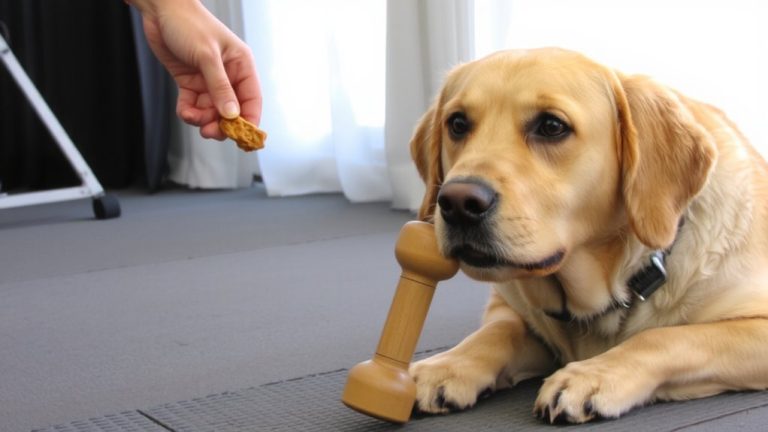
A calm puppy makes for a safer, more enjoyable ride-and you can shape that behavior with well-timed rewards. To reward calm behavior, use high-value treats like freeze-dried liver the moment your puppy settles. These treats build strong positive associations with car rides. Offer only during short trips to keep the experience special. Your puppy’s favorite toy becomes a unique comfort cue-pull it out just for travel. Pair it with treat-dispensing puzzle toys, like the Kong Wobbler, to promote focus and relaxation. These toys keep your puppy mentally busy and reinforce calmness through consistent reinforcement. Deliver treats in a quiet, calm voice to support a soothing atmosphere. Over 10 short trips, this repeated pairing of treats, toys, and calm cues reduces anxiety and builds confidence. With patience and consistent reinforcement, your puppy will learn to stay relaxed, making every journey smoother.
Keep Your Puppy Secure and Safe in the Car
Now that you’ve built a foundation of calm behavior with treats and toys, it’s time to focus on physical safety during car rides. Always secure your puppy using a crash-tested harness, car seat, or travel crate matched to their size-unrestrained dogs are 3.6 times more likely to be injured in a crash. Place them in the back seat, never the front, to avoid airbag injuries. Use restraint systems tested by the Center for Pet Safety for proven protection. A well-ventilated travel crate should attach to seat belts or anchors to prevent movement during sudden stops. Even at 35 mph, an unrestrained 10-pound dog can experience over 300 pounds of force. Crash-tested harnesses and secure crates offer reliable car safety. Proper restraints keep your puppy protected, reduce distractions, and guarantee every trip is safe and stress-free.
Avoid Car Sickness by Timing Meals Right
Since puppies have sensitive inner ears and developing vestibular systems, they’re far more likely to get car sick-especially before 5–6 months of age-so it’s smart to withhold both food and water for at least 2–3 hours before hitting the road. Avoid feeding your puppy a meal right before travel, since a full stomach increases motion sickness risk due to active digestion and movement. Proper timing meals helps reduce nausea and prevents uncomfortable episodes during short drives. Puppies often outgrow car sickness as their vestibular system matures, but controlling feeding schedules speeds the process. Plan trips just before their regular feeding time, so arrival triggers positive associations with food and comfort. This strategy not only prevents vomiting but also builds confidence. With consistent timing meals and empty-stomach trips, you’ll reduce nausea, curb motion sickness, and create stress-free travel routines.
Take Your First Short Drive to a Fun Spot
While your puppy’s already comfortable sitting in the parked car with treats and toys, it’s time to turn the key and hit the road for a quick, positive adventure. Start with a short drive-just 5 to 10 minutes-to a fun spot like a quiet park or pet-friendly store. This brief car ride helps prevent overstimulation, especially in puppies under 16 weeks. Once there, let your pup exit and enjoy a rewarding activity, such as sniffing grass or playing with a toy. Immediately reward calm behavior with high-value treats and enthusiastic praise. This consistent positive reinforcement creates a strong link between car travel and good things. Choose a positive destination every time. Repeat trips every few days to build confidence. Soon, your puppy will see the car as a gateway to exciting outings.
Watch for Stress and Act Fast
If your puppy starts drooling heavily, panting nonstop, whining, or trying to scramble out of the car during a ride, don’t wait-it’s your cue to act fast, because these are clear signs of stress that can harden into lasting fear if ignored. Watch for stress like excessive drooling, panting, whining, trembling, or attempts to escape. When you see them, act fast: pull over safely and calm your pup with high-value treats like boiled chicken or cheese. Then return to earlier steps, such as sitting in the parked car with the engine off. Keep sessions short-just 1–2 minutes-and always end on a positive note. Puppies under 12 weeks may also urinate or defecate from stress, so plan potty breaks. Consistent monitoring prevents lifelong car aversion, especially in anxious breeds like Beagles or German Shepherds.
On a final note
You’ve got this. Start with short, positive trips, always securing your pup in a crash-tested harness or carrier. Stick to 10–15 minute drives at first, ideally two hours after a light meal. Toss in freeze-dried liver treats or a Kong Wobbler to build good associations. Most puppies settle within 3–4 trips. Watch for whining or drooling-signs to pull over. Consistency and calm reinforcement make all the difference.