Best Food for Dog With Cancer
Feed your dog a high-protein, low-carb diet with 30–40% protein and less than 25% carbs to starve tumor cells and preserve muscle, like Hill’s Prescription Diet® ONC Care or a vet-approved homemade mix with chicken, eggs, and steamed broccoli. Add omega-3s from wild salmon or fish oil for anti-inflammatory support, and consider blueberries or pumpkin for immune and digestive health. Warming food to 100°F boosts aroma and intake, and including turmeric may help with appetite, all while supporting treatment goals more effectively when tailored to your dog’s specific needs.
We are supported by our audience. When you purchase through links on our site, we may earn an affiliate commission, at no extra cost for you. Learn more. Last update on 19th July 2026 / Images from Amazon Product Advertising API.
Notable Insights
- High-protein, low-carbohydrate diets help support muscle mass and limit fuel for tumor cells.
- Choose veterinary-approved therapeutic diets like Prescription Diet® ONC Care for balanced nutrition.
- Include omega-3 fatty acids from fish oil to reduce inflammation and potentially extend survival.
- Add vet-approved superfoods such as broccoli, blueberries, and pumpkin for antioxidant and digestive support.
- Always consult a veterinary oncologist to tailor diet choices to your dog’s specific cancer and treatment plan.
Why Nutrition Is Critical for Dogs With Cancer
While your dog battles cancer, their body undergoes major metabolic shifts-like the Warburg effect, where tumor cells gobble up glucose and crank out lactate, spiking their energy needs and often leading to weight loss even if they’re eating normally. This isn’t just hunger-it’s cancer cachexia, a wasting syndrome affecting up to 50% of dogs, marked by muscle and fat loss due to inflammation, not just poor intake. Your dog’s nutritional needs change dramatically. A high-protein, low carbohydrate diet helps fuel their body, not the tumor, while omega-3 fatty acids reduce inflammation and support the immune system. Up to 64% of dogs prefer high-protein options, and 67% of dogs with mammary cancer eat unbalanced homemade diets-proof that guided, evidence-based nutrition matters. Meeting your dog’s diet needs isn’t optional-it’s critical for strength, treatment tolerance, and quality of life.
Best Commercial Diets for Dogs With Cancer
When your dog’s fighting cancer, choosing the right commercial diet can make a real difference in their energy, strength, and response to treatment. Prescription Diet® ONC Care is formulated specifically for dogs with cancer, offering a high in protein (25%), low in carbohydrates (~34%), and rich in fatty acids (EPA and DHA) to support immunity and muscle. Most commercial dog foods meet American Feed Control Officials (AAFCO) minimums, but cancer patients often need higher levels-like 30–40% protein and 25–40% fat. ONC Care is complete and balanced, highly digestible, and designed to deliver targeted nutritional support. Still, no single diet fits all, since tumor type, treatment, and organ health vary. Always consult your veterinary oncologist to choose a therapeutic option tailored to your dog’s needs, ensuring best outcomes during therapy.
Safe and Balanced Homemade Meals for Dogs With Cancer
You’ve likely considered commercial therapeutic diets like Prescription Diet® ONC Care to support your dog during cancer treatment, but you might also want to explore homemade meals tailored to your dog’s unique needs. A balanced diet for dogs with cancer should include 30–40% high-quality protein, <25% carbohydrates, and 25–40% fat on a dry matter basis to help starve cancer cells while supporting nutritional status. Use safe protein sources like cooked chicken, eggs, and turkey, limiting organ meats to 5–10%. Add omega-3 fatty acids from cooked salmon or sardines (1–2% of calories) for anti-inflammatory benefits. Lightly steam cruciferous vegetables like broccoli to aid digestion and preserve sulforaphane. Always consult your veterinarian before starting a homemade diet-most published recipes fail to meet essential nutrient requirements, risking imbalances that could compromise health.
Vet-Recommended Superfoods for Dogs With Cancer
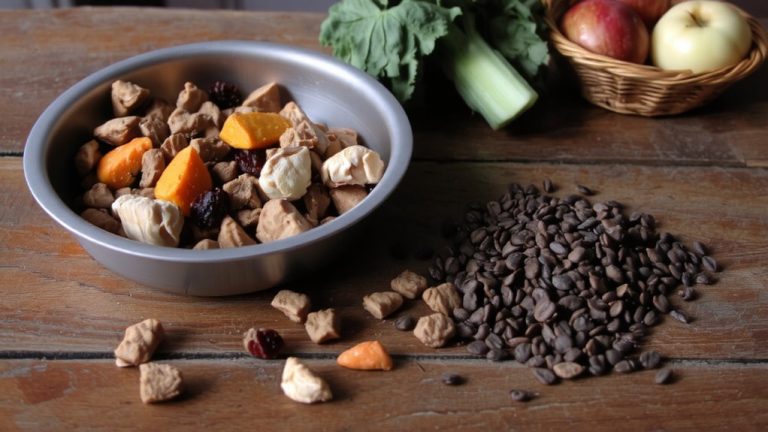
A vet-recommended superfood list for dogs with cancer includes specific whole foods that deliver targeted nutrients to support healing and slow disease progression. As a dog owner, you can meet your dog with cancer’s nutritional needs by adding superfoods for dogs like broccoli, which contains sulforaphane to inhibit tumor growth and boost chemo sensitivity. Blueberries provide anthocyanins and ellagic acid, antioxidants that reduce inflammation and block cancer pathways. Sweet Potatoes offer steady energy with beta-carotene, vitamin C, and fiber, without raising blood glucose. Pumpkin supports digestion and detox with soluble fiber and beta-carotene-use plain canned or cooked, no additives. Fish oil from wild-caught salmon or sardines delivers eicosapentaenoic acid (EPA) and docosahexaenoic acid (DHA), omega-3s shown to extend survival in lymphoma cases. Broccoli, blueberries, Sweet Potatoes, pumpkin, and fish oil cover key nutritional needs for your dog’s fight against cancer.
Appetite Boosters for Dogs With Cancer
Keeping your dog well-nourished during cancer treatment means more than choosing the right superfoods-it also involves getting your dog to eat consistently, especially when appetite drops due to illness or therapy side effects. You can enhance aroma and improve palatability by warming canned food to about 100°F, which helps encourage eating. Try to soak dry kibble in warm water to soften texture and release scent. Lightly add dog-safe spices like turmeric or ginger to boost flavor and calm nausea. Small portions of human foods for dogs, such as boiled chicken or sweet potato, can also tempt picky eaters. For serious calorie needs, switch temporarily to energy-dense diets like Hill’s® a/d or Royal Canin® Recovery RS to increase calorie intake. If appetite remains low, ask your vet about an appetite stimulant.
Evidence-Based Supplements for Dogs With Cancer
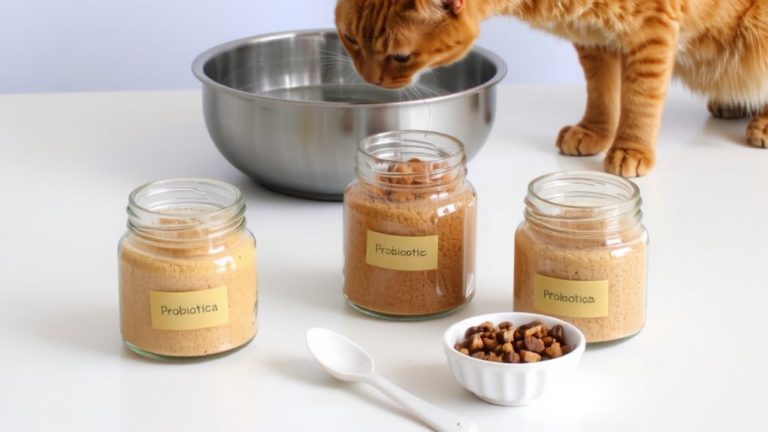
While not every supplement works for every dog, certain evidence-based options can make a meaningful difference when paired with veterinary care. Omega-3 fatty acids-especially eicosapentaenoic acid (EPA) and docosahexaenoic acid (DHA) from fish oil-have shown potential in dogs with lymphoma, with some studies linking higher intake to longer survival times, though results vary. Arginine, an amino acid, supports immune function and is recommended at 2% or more on a dry matter basis for cancer diets. Antioxidants like vitamins C and E are common dietary supplements but may interfere with chemotherapy, so use them cautiously. Probiotics help maintain gut health and offer immune support, especially during treatment. Always choose vet-approved supplements, as quality and dosing matter. These aren’t cures, but when used wisely, they can be valuable tools in your dog’s cancer care plan.
On a final note
You’ve got this, and so does your dog. Feed a vet-approved, high-protein, low-carb diet like Hill’s Science Diet Oncology or Nulo Freestyle Senior, add fresh broccoli or blueberries daily, and include fish oil (1,000 mg EPA/DHA per 20 lbs). Use ginger or mirtazapine for appetite support if needed, always with your vet’s guidance. Small, frequent meals boost intake, and hydration stays key-offer bone broth or warm water. Every bite counts, so stick to balanced nutrition to support strength, energy, and treatment success.