Step-by-Step Guide to Cleaning a Dog’s Anal Sac Area After Defecation
Watch for scooting, a fishy smell, or excessive licking to spot anal sac issues. Put on nitrile gloves, lift your dog’s tail straight up, and clean the 5 and 7 o’clock spots with pet-safe wipes. Use warm, soapy water on stained areas, then dry thoroughly with a paper towel. If you notice residue or discomfort, gently express the glands at 4 and 8 o’clock using petroleum jelly. There’s more to keeping your dog comfortable and healthy the right way.
We are supported by our audience. When you purchase through links on our site, we may earn an affiliate commission, at no extra cost for you. Learn more. Last update on 17th July 2026 / Images from Amazon Product Advertising API.
Notable Insights
- Clean the anal area promptly after defecation when glands are most likely to express naturally.
- Use pet-safe wipes to gently clean the 5 and 7 o’clock positions around the anus.
- Wear gloves and apply warm soapy water with a washcloth if stains persist; avoid vigorous scrubbing.
- Dry the area thoroughly with a paper towel to minimize moisture and bacterial growth.
- Check for signs of infection like swelling, blood, or pus, and consult a vet if present.
Spot the Signs of Anal Sac Problems
Your dog’s comfort often shows in subtle ways, and when it comes to anal sac health, early signs can make all the difference. If you notice your dog scooting across the floor, it’s likely they’re dealing with full anal sacs. A persistent fishy odor or foul smell near the rear is another red flag-often meaning the glands are overly full. You might also see them excessively licking, biting, or chewing the area, which points to irritation or anal gland issues. Check for redness or swelling around the anus, both common signs of impaction or infection. Some dogs even show difficulty defecating or wince while pooping. If these behaviors continue, they likely need their glands expressed. Catching these symptoms early helps prevent pain and more serious complications down the line.
Gather Supplies to Clean Anal Sacs Safely
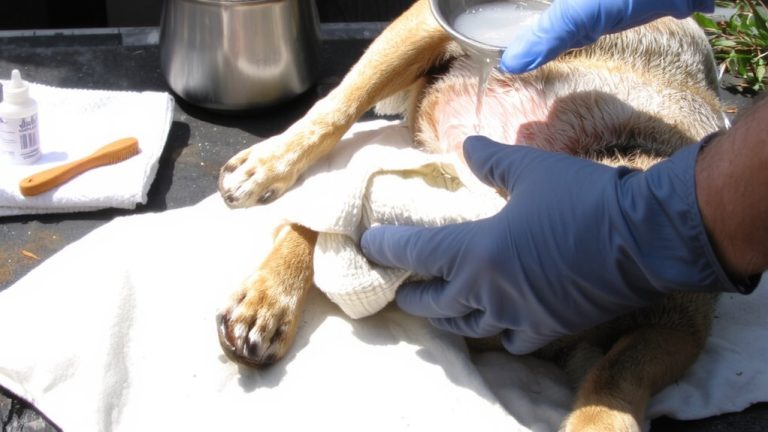
Once you’ve picked up on scooting, a strong fishy smell, or excessive licking-clear hints that your dog’s anal sacs are acting up-it’s time to get the cleaning process ready. Put on disposable nitrile gloves to protect yourself and your pet. Have pet-safe wipes on hand to gently remove fecal residue and anal sac secretions without irritating the skin. Prepare a bowl of warm soapy water and a clean washcloth for a thorough cleanse, then use paper towels to dry the area. Keep a sealed trash bag nearby for quick, odor-controlled disposal. If you’re manually checking the glands, apply petroleum jelly to reduce friction. Use a deodorizing spray formulated for dogs to neutralize lingering smells. After, always wash your hands well.
Position Your Dog for Anal Sac Cleaning
A stable, well-balanced position is key to safely cleaning your dog’s anal sac area, and setting things up correctly from the start makes the process smoother for both of you. To position your dog properly, place small dogs on an elevated surface-like a grooming table or sturdy countertop-covered with a protective towel for grip and hygiene. For larger dogs, a non-slip floor with a towel underneath works fine. Stand behind the dog, keeping them standing with weight evenly distributed on all four legs to stabilize them. Gently lift the tail straight up to fully expose the anal area, ensuring comfortable access to the 4 and 8 o’clock positions. Use a second person or a distraction, like a lick mat, to minimize movement. This keeps the area visible and your dog calm throughout the procedure.
Clean the Anal Sac Area Step by Step
When cleaning your dog’s anal sac area, start right after they’ve gone to the bathroom while the glands are naturally expressed. Use pet-safe wipes to clean the anal sac area, focusing on the 5 and 7 o’clock positions where the anal glands expressed most often. If you notice a fishy odor or residue, you may need to express dog anal glands manually, but only in small amounts. Never squeeze the anal glands aggressively-this can cause harm. Apply mild, warm soapy water with a washcloth if there’s staining, and avoid scrubbing. Dry thoroughly with a clean paper towel to keep moisture low and reduce bacterial risk. Keep in mind that redness or swelling means stop and consult later. Proper anal gland expression helps your dog stay comfortable. You’re maintaining hygiene and supporting healthy anal gland function with each clean.
Know When It’s Time to See the Vet
How do you know when a routine clean isn’t enough? Watch for signs of infection like blood or pus, or thick, discolored discharge-these mean you need to see the vet fast. If there’s swelling around the anus, or your dog shows painful defecation, don’t wait. Persistent scooting and excessive licking despite cleaning suggest deeper anal gland problems. Hard or enlarged glands that won’t express after repeated failed attempts point to an impacted anal sac. If your dog flinches or refuses touch near the area, there may be an abscess. You shouldn’t press harder-this can cause rupture. Behavioral distress, plus a strong fishy odor, confirms it’s time. Only a vet can safely treat infection, drain abscesses, or recommend medical care. Don’t risk complications-when in doubt, see the vet.
Prevent Recurrent Anal Gland Issues With Diet and Activity
Fiber’s your best ally in keeping your dog’s anal glands working smoothly. A high-fiber diet like Health Extension® Original Chicken & Brown Rice Recipe creates firm stools that naturally Express your dog’s anal sacs during defecation. Soft or small stools mean dogs have anal glands that don’t empty properly, making them more likely to become full and could benefit from intervention. Regular activity supports digestion and helps prevent anal gland issues, especially when anal glands are full due to inactivity. Chronic diarrhea disrupts normal anal sac expression, so consistent stool quality is key. Avoid over-expressing your dog’s anal glands regularly-unnecessary manual anal sac expression can weaken sphincter tone, causing glands to need to be expressed more often.
| Stool Type | Pressure on Anal Sacs | Risk Level |
|---|---|---|
| Firm | High | Low |
| Soft | Low | High |
| Diarrhea | Minimal | Very High |
On a final note
You’ve got this-cleaning your dog’s anal sac area is simple with the right tools and timing. Use unscented baby wipes or vet-recommended pads, like Dechra Chlorhexidine Wipes (2% chlorhexidine), and always check for redness or odor. Clean gently after each bowel movement if needed, especially for small breeds or dogs with soft stools. When in doubt, consult your vet-it’s smart, not excessive. Pair regular cleaning with a high-fiber diet (look for 4–6% crude fiber in kibble) and daily walks to support natural expression and long-term anal gland health.