Step-By-Step Guide to Bathing a Dog With Arthritis Gently and Safely
Check your dog’s mobility first, watching for stiff or trembling legs, and test balance on a non-slip mat. Use a bath sling or harness for support, and keep water lukewarm (90–100°F). Choose a sulfate-free, pH-balanced shampoo like Earthbath Oatmeal & Aloe, and brush gently before wetting. Dry with a pre-warmed towel and low-heat blow dryer, avoiding chills. There’s more to optimizing comfort and safety every step of the way.
We are supported by our audience. When you purchase through links on our site, we may earn an affiliate commission, at no extra cost for you. Learn more. Last update on 19th July 2026 / Images from Amazon Product Advertising API.
Notable Insights
- Evaluate your dog’s mobility, check for joint pain or balance issues, and consult a vet for pain relief before bathing.
- Prepare a safe bathing area with a non-slip mat, bath bench or ramp, and all supplies within reach.
- Use lukewarm water and a senior-friendly, pH-balanced, hypoallergenic shampoo free of harsh chemicals.
- Gently brush your dog before bathing to remove tangles and inspect skin for sores or irritation.
- Support your dog with a sling or helper during bathing, and dry thoroughly with warm towels and low-heat airflow.
Evaluate Mobility and Sensitivity Before Bathing
How do you know if your dog’s ready for a bath when arthritis is in the picture? Start by evaluating your senior dog’s mobility issues-watch for trembling legs, stiffness, or hesitation stepping up. If your dog struggles to stand or seems unsteady, a bath might worsen discomfort. Check for skin conditions too; gently feel for dryness, sores, or hot spots, especially over joints and pressure points, to avoid aggravating irritation. Also, assess hearing or vision loss that could increase stress during bathing. You’ll Safely Bathe your dog only when you’ve considered all these factors. Use a non-slip mat, have a sling ready, and test balance on slick surfaces. Consult your vet about pain relief options, like joint supplements or medication, before proceeding. This evaluation guarantees you’re acting on real needs, not assumptions, and keeps your dog’s routine supportive, not stressful.
Create a Safe Bathing Space for Senior Dogs
While your arthritic dog may find movement painful, setting up a safe bathing space can make all the difference in reducing stress and preventing injury. For senior dogs, a calm, well-prepared environment is key during bath time. Set aside all supplies so bathing your dog stays smooth and interruption-free.
| Item | Purpose |
|---|---|
| Non-slip mat | Prevents slipping in tub, boosts confidence |
| Warm towel | Keeps dog cozy during and after bath |
| Bath bench or ramp | Reduces joint strain getting in and out |
Use lukewarm water (90–100°F) and keep the area quiet. Place a non-slip mat in the tub and have a warm towel ready. These steps guarantee your senior dog stays safe, comfortable, and calm throughout the bath.
Choose a Gentle, Senior-Friendly Shampoo
Your dog’s skin needs extra care as they age, and the right shampoo makes all the difference. For older dogs, choose a sulfate-free, hypoallergenic shampoo like Earthbath Oatmeal & Aloe or Pogi’s Soothing Oatmeal to help protect their delicate skin. Avoid formulas with alcohol, parabens, or synthetic fragrances-they can dry out your dog’s skin and worsen irritation common in senior dogs. Instead, look for moisturizing ingredients like oatmeal, shea butter, or ceramides, which support the skin barrier and reduce flakiness. Always pick a pH-balanced shampoo (around 6.5–7.5) to match your dog’s skin and maintain a healthy microbiome. Before bathing, test a small amount of shampoo on a patch of skin and wait 24 hours to check for reactions. This simple step can help prevent discomfort and keep your senior dog’s coat clean, soft, and soothed.
Brush and Check Skin Before Wetting the Coat
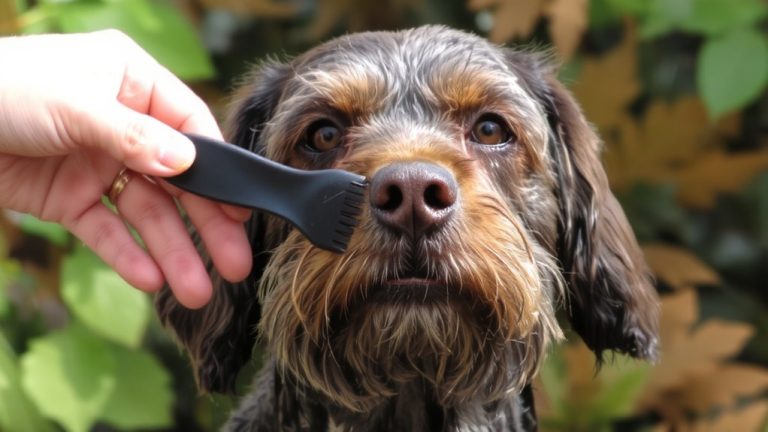
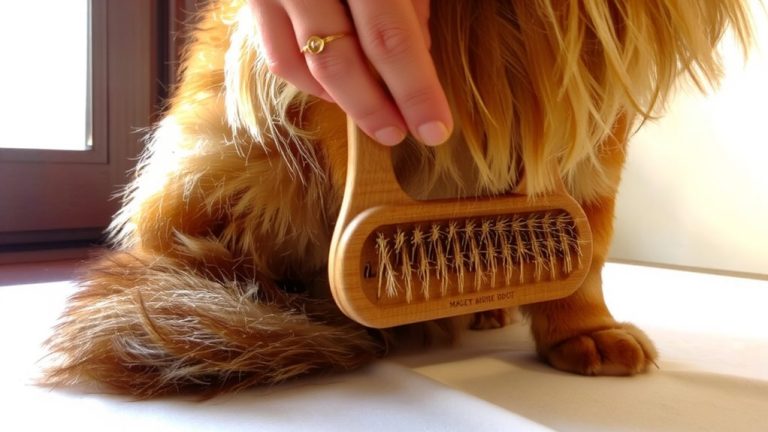
A quick pre-bath grooming session sets the stage for a smoother, safer experience when bathing a senior dog with arthritis. You should brush your senior dog gently using a slicker brush to remove tangles, loose hair, and prevent matting, especially in long-coated breeds like Golden Retrievers. Mats tighten when wet and can pull on sensitive or arthritic bodies, causing pain. Use light, steady strokes to avoid stressing stiff joints, focusing on areas prone to buildup-underarms, paws, and rear end. This is also your chance to inspect the skin for dry patches, lumps, sores, or thinning fur, which may need vet care. Taking time now makes bathing safer and more comfortable, supports skin health, and strengthens your bond. Be thorough but kind-your dog’s comfort comes first.
Support Your Dog During the Bath
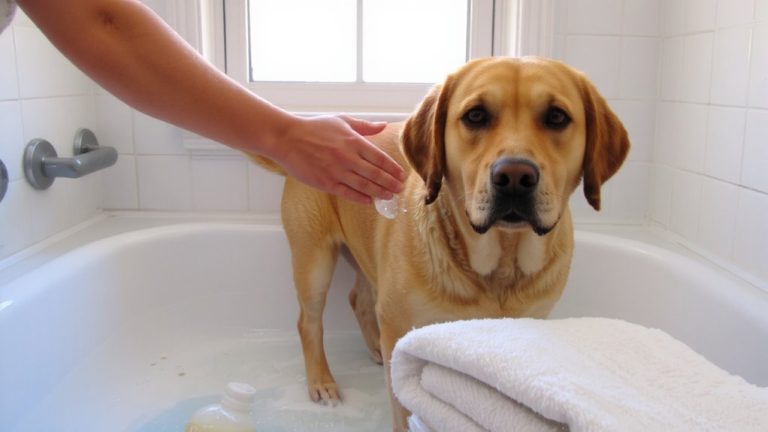
Keeping your arthritic dog steady in the tub starts with smart setup and hands-on support, because slips on wet surfaces can worsen joint pain or lead to injury. Use a non-slip mat or towel to give your dog traction underfoot. To support your dog during entry and exit, use a bath sling or harness - they reduce strain on weak joints. Always keep one hand on the dog to help them balance. For dogs with limited mobility, bathing in a low-sided tub or using a ramp makes a big difference. If your dog’s hind legs are especially weak, enlist a second person to assist-it’s safer and reduces stress for both of you.
| Support Tool | Why It Helps |
|---|---|
| Non-slip mat | Prevents slipping, improves confidence |
| Bath sling/harness | Supports weight, eases joint stress |
| Second person to assist | Provides extra stability and safety |
Dry Gently to Avoid Chills
Why does your arthritic dog shiver after a bath, even when the water was warm? Older dogs lose body heat fast due to thinner coats and poor circulation, making it essential to dry gently and keep them warm. Immediately wrap your dog in a pre-warmed towel to maintain core temperature and reduce joint stiffness. Towel-dry thoroughly using soft towels, focusing on skin folds, underarms, and groin-areas where trapped moisture can cause irritation. Keep the room draft-free and above 75°F (24°C). If needed, use a blow dryer on a low setting, holding it at least 12 inches away to prevent burns and anxiety in noise-sensitive pets. The low setting also minimizes stress while ensuring a complete, gentle dry. Warming the towels ahead of time makes the process more comfortable. Your care keeps them stable, warm, and chills at bay.
Make Bath Time Positive for Senior Dogs
How can you turn bath time into a calm, even enjoyable experience for your senior dog with arthritis? You can Make Bath Time a soothing bonding experience by using treats and gentle praise before, during, and after. Speak in a calm, familiar tone to help your dog feel secure, especially if they have hearing loss or confusion. Feel free to pause and offer comfort-petting or a light massage-around stiff joints to help your dog feel safe. Keep the routine consistent every 4–6 weeks so your dog adjusts and anticipates less stress. Afterward, reward cooperation with favorite treats or a warm towel. These small touches turn grooming into positive reinforcement, strengthening trust. With patience and kindness, you’ll help your dog feel more at ease-it’s not just cleaning, it’s care.
On a final note
You’ve got this-bathing your arthritic dog can be safe and stress-free. Use a non-slip mat, warm (not hot) water at 90–95°F, and a vet-recommended, oatmeal-based shampoo like Vet’s Best. Support joints with a sling if needed, dry with a warm towel or low-heat dryer, and always reward calm behavior with treats like Zuke’s Mini Naturals. Keep sessions short, gentle, and positive-your dog’s comfort and health come first.