Best Way to Hide Litter Box
Put the litter box in a quiet bathroom or closet with a cat door for privacy and easy access, keeping it away from food, water, and loud appliances. Use a ventilated cabinet, ottoman, or bench with coffee oak finish to hide it stylishly while allowing airflow. Pair with ARM & HAMMER Clump & Seal AbsorbX litter-it stops 99% of ammonia odors on contact. Scoop 2–3 times daily and avoid solid covers that trap smells. There’s more to get right for a clean, stress-free zone your cat actually uses.
We are supported by our audience. When you purchase through links on our site, we may earn an affiliate commission, at no extra cost for you. Learn more. Last update on 19th July 2026 / Images from Amazon Product Advertising API.
Notable Insights
- Use furniture like end tables or cabinet ottomans with entry holes to conceal the litter box and store supplies.
- Place the litter box in a quiet, low-traffic area away from food bowls and loud appliances.
- Install a cat door in a closet or use a ventilated bench to hide the box while ensuring airflow.
- Choose litters with activated carbon, like ARM & HAMMER Clump & Seal AbsorbX, to control odors effectively.
- Use breathable room dividers or tension rod curtains for quick, odor-safe litter box concealment.
Where to Hide Your Litter Box (So Your Cat Will Use It)
Where should you tuck the litter box so your cat actually uses it? The best place to put it is in a quiet bathroom or closet with a cat door-this helps hide a litter box while giving your cat privacy. Make sure the spot’s away from food and water bowls, since cats won’t use a toilet near their dinner. Avoid loud areas with washing machines or dishwashers that can startle your cat. You’ll want to place the litter box somewhere with good airflow, like under a wall-mounted sink with a fabric skirt or in a spare room. Always keep the litter box reachable for daily scooping. Never tuck it in basements or attics if you have kittens or seniors-stairs make it hard for them to access. Your cat can access it easily if you choose wisely, ensuring consistent, stress-free use.
Hide It in Furniture That Doubles as Décor
When you’re looking to keep your living space stylish without sacrificing your cat’s comfort, hiding the litter box in multifunctional furniture is a smart, space-saving solution that blends seamlessly into your home. Choose a piece of furniture that doubles as both décor and function-like end tables or benches with built-in access holes. These units let you hide litter box setups neatly while offering storage or seating. A wicker basket won’t cut it for long-term use; instead, opt for a sturdy cat litter box cover within furniture that doubles as a media stand or console. Specialized ottomans or credenzas with coffee oak or white plank finishes can support TVs up to 50 lbs and conceal automatic systems like the Litter-Robot.
| Furniture Type | Function & Benefit |
|---|---|
| End tables | Hide litter box, include entry holes, store supplies |
| Decorative bench | Doubles as seating, fully encloses box |
| Cabinet ottoman | Stylish accent, prevents dog access, easy cleaning |
Block the View Without Trapping Odor
A sleek piece of furniture can hide the litter box in plain sight, but if airflow gets restricted, you’ll quickly notice lingering odors and a less-than-happy cat. To block the view without trapping smell, skip the solid litter box cover and choose solutions that let air move freely. Try a folding room divider or decorative screen-it’s an easy way to hide litter box mess while maintaining airflow. Install a tension rod under a console table and hang a breathable fabric curtain for quick concealment that won’t trap ammonia. Place the box behind a bookshelf with the back removed, or use an open-fronted wicker trunk with a cut entry hole. Better yet, opt for a ventilated enclosure like a bench-style unit with side access and an open top-maximizing airflow and reducing odor buildup naturally.
Turn Unused Closets Into Litter Box Zones
Turning an unused closet into a dedicated litter box zone is a smart, space-saving solution that keeps odors contained and your cat’s bathroom routine private. As a cat parent in a small apartment, you can easily convert an unused closet-like a former linen or coat space-into a hidden bathroom nook. Install a cat door for 24/7 access, and leave the front door slightly ajar or add a small vent to maintain airflow. Use a low-profile litter box that fits under shelves or hanging items, and protect the floor with a waterproof mat. This setup helps you Hide Litter Box mess effectively. Fill it with ARM & HAMMER Clump & Seal AbsorbX litter to tackle ammonia and odors right at the source, keeping the tight space fresh and clean.
Stop Odors Before They Spread
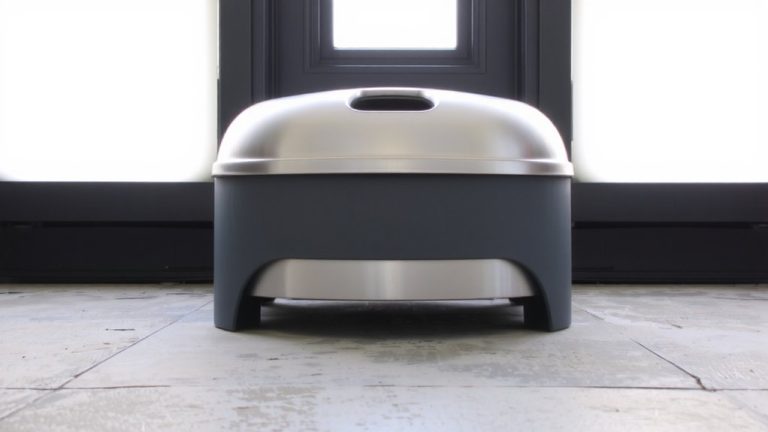
Because odor control starts the moment waste hits the litter, using ARM & HAMMER Clump & Seal AbsorbX litter gives you an immediate advantage-it’s proven to eliminate 99% of ammonia odors on contact while locking in moisture to stop smells before they build. For even stronger protection, try ARM & HAMMER Cloud Control or Complete Odor Sealing litters, which use activated carbon to trap odors and reduce litter box smell by up to 70% versus standard clumping litters. Scoop the Litter Box 2–3 times daily to remove waste fast and prevent bacterial breakdown that creates strong odors. Place your Litter boxes in well-ventilated spots like bathrooms or laundry rooms to help airflow disperse smells. Choose enclosed models with carbon filters, like Litter-Robot, to actively stop odors. The best litter, smart placement, and daily care let you Hide mess and smell, keeping your cat happy and your home fresh.
Skip These Common Litter Box Hiding Traps
While you might be tempted to tuck the litter box out of sight in a back corner or closet to keep your home looking tidy, doing so can backfire if the spot lacks proper airflow, lighting, or easy access-essential factors cats need to feel safe and comfortable. Avoid using a dark, stuffy cupboard to hide your litter box, since poor ventilation traps ammonia and drives cats away. Don’t slide the litter box into a basement or attic, especially for older cats or kittens with mobility issues. Keep it out of direct sunlight and never near food bowls. While the laundry room may seem convenient, guarantee it’s not too loud or isolated. Choose an open space that doubles as a litter nook-quiet, accessible, and well-lit-so your cat actually uses the litter box.
On a final note
Keep the litter box in a quiet, accessible spot like a decorated cabinet or closet, using a box with a carbon filter to cut odors by up to 80%. Choose uncovered or top-entry boxes if your cat prefers airflow, and scoop daily. Avoid cramped spaces, basements with drafts, or near food, since cats hate strong smells and disruptions. Testers confirm: easy access and clean habits mean fewer misses and a happier, healthier cat.