How to Bathe a Dog With Open Sores Using Medicated Chlorhexidine Shampoo
You can bathe your dog with open sores using medicated chlorhexidine shampoo, but only with your vet’s approval. Use lukewarm water (95–100°F) and a low-pressure spray to wet skin gently around, not on, sores. Apply 2%–4% chlorhexidine shampoo with your fingertips, avoiding direct contact with wounds, eyes, and face. Let it sit for 5–10 minutes as directed to fight bacteria. Rinse thoroughly, especially in folds and paws, then pat dry with a clean towel. Proper technique keeps skin protected and sets the stage for what comes next.
We are supported by our audience. When you purchase through links on our site, we may earn an affiliate commission, at no extra cost for you. Learn more. Last update on 19th July 2026 / Images from Amazon Product Advertising API.
Notable Insights
- Consult a veterinarian before bathing to ensure safety and proper treatment of open sores.
- Use lukewarm water and avoid direct spraying on sores; wet intact skin first gently.
- Apply 2%–4% chlorhexidine shampoo with fingertips, avoiding direct contact with open wounds and eyes.
- Allow shampoo to remain on skin for 5–10 minutes as directed for effective antiseptic action.
- Rinse thoroughly and pat dry gently to prevent residue buildup and avoid irritating sores.
Can You Bathe a Dog With Open Sores?
What do you do when your dog needs a bath but has open sores? You can bathe them, but only with guidance-especially if using chlorhexidine shampoo. Open sores are delicate, and while 2% chlorhexidine shampoo helps manage skin infections, direct contact may cause stinging or slow healing. Always contact your veterinarian before starting. They’ll confirm if it’s safe and may prescribe a medicated shampoo suited to your dog’s condition. When approved, gently apply the shampoo around-never directly into-open sores. Let it sit for 5–10 minutes to fight bacteria, but don’t overexpose sensitive areas. If sores are oozing, raw, or inflamed, your vet might recommend systemic antibiotics first. Never guess: proper care prevents complications and supports faster recovery.
How to Wet Skin Around Sores Safely
While tackling bath time with a dog that has open sores, start by wetting the skin around the affected areas carefully-use lukewarm water at about 95–100°F, since cooler temps can constrict blood vessels and hotter water can worsen inflammation. Direct gentle streaming water around, not directly onto, open sores to prevent pain and tissue damage. A spray nozzle with adjustable settings helps you control flow, ensuring you use low pressure for sensitive areas. Wet intact skin first, then cautiously work around sores to preserve wound integrity. Always avoid vigorous scrubbing or rubbing, as even mild friction can disrupt healing skin.
| Technique | Benefit |
|---|---|
| Lukewarm water | Reduces irritation, supports healing |
| Gentle streaming water | Minimizes trauma to open sores |
| Spray nozzle control | Allows precision, avoids scrubbing |
Apply Chlorhexidine Shampoo Without Irritation
Start by choosing a chlorhexidine shampoo with a 2% to 4% concentration, since this range is proven to fight bacteria effectively without stinging open sores when used correctly. When you apply chlorhexidine shampoo, do so gently on clean, wet skin-never scrub, as aggressive rubbing can worsen skin irritation. Begin applying the product on less sensitive areas like the back before moving to tender spots such as paws, groin, and armpits. This approach helps your dog adjust and reduces stress. Use your fingertips to massage the medicated shampoo into the coat, ensuring even coverage while avoiding the eyes and face. Let the shampoo sit to clean the wound effectively, but don’t rinse yet. Even mild medicated shampoos can cause irritation if residue remains, so thorough rinsing with lukewarm water is key.
Leave Chlorhexidine On for 5–10 Minutes
A full 5 to 10 minutes of contact time is essential when using chlorhexidine shampoo, so don’t rush the clock-this window gives the active ingredient, chlorhexidine gluconate, the chance to penetrate bacterial and fungal cell walls, especially important when treating infected or inflamed skin around open sores. You’ll want to leave on for 5–10 minutes exactly as directed, since that’s when the antiseptic solution works hardest on compromised dogs skin. For best results, use a pH-balanced chlorhexidine shampoo with at least 2% chlorhexidine gluconate, which studies show maximizes microbial kill and residual protection. This contact period boosts effectiveness against bacteria and yeast that can worsen open sores. Always follow your vet’s recommendation-some cases need a full 10 minutes, others just 5. Either way, timing it right means stronger protection, faster healing, and fewer repeat infections.
Rinse Chlorhexidine Completely After Bath
After the full 5 to 10 minutes of contact time has passed, it’s time to rinse the chlorhexidine shampoo out completely-every trace of it. You’ll want to rinse thoroughly using a spray nozzle or hose attachment, especially in skin folds, paws, armpits, and groin, where medicated shampoo can hide. Leftover chlorhexidine shampoo can leave behind residual shampoo, which may cause dryness, redness, or even contact dermatitis, though reactions are rare. Be sure to run a clean, dry hand over your dog’s coat to check for any slippery or soapy feel-this means more rinsing is needed. Removing all residue helps prevent interference with future topical treatments, ensuring they work as intended. Proper rinsing protects sensitive, healing skin and keeps your dog comfortable. You’ve got this-thorough rinsing is a simple step that makes a big difference in your dog’s recovery and skin health.
Dry Gently and Care for Healing Skin
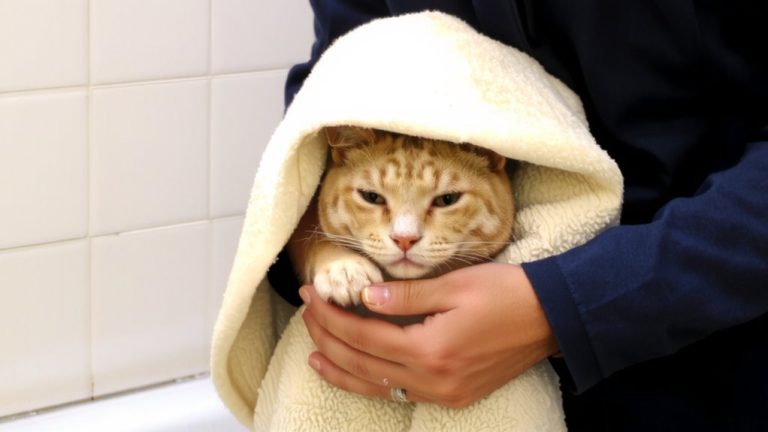
How do you make sure your dog’s skin stays protected after a medicated bath? Start by drying gently with a clean, absorbent towel-pat, don’t rub, especially around open sores on the paws, armpits, or groin. Vigorous rubbing can damage healing skin and push dirt and debris deeper into wounds. Make sure the skin is fully dry, as trapped moisture can lead to infections, especially in breeds with skin folds. Avoid products with tea tree oil unless approved by your vet-many dogs are sensitive, and it can cause irritation. Once the skin is dry, apply any vet-prescribed topicals to help healing. This step guarantees treatments absorb properly without stinging or dilution. Monitor for redness, oozing, or swelling within 24 hours, and call your vet if you see signs of worsening.
On a final note
You can safely bathe your dog with open sores using chlorhexidine shampoo, just avoid direct contact with wounds. Wet surrounding skin gently with lukewarm water, then lather the shampoo carefully over intact areas. Let it sit for 5–10 minutes to kill bacteria, then rinse thoroughly-no residue left behind. Pat dry with a clean towel, don’t rub. Monitor healing daily, and follow your vet’s care plan closely for best results.