Introducing Clicker Conditioning to Skeptical Older Dogs Gradually
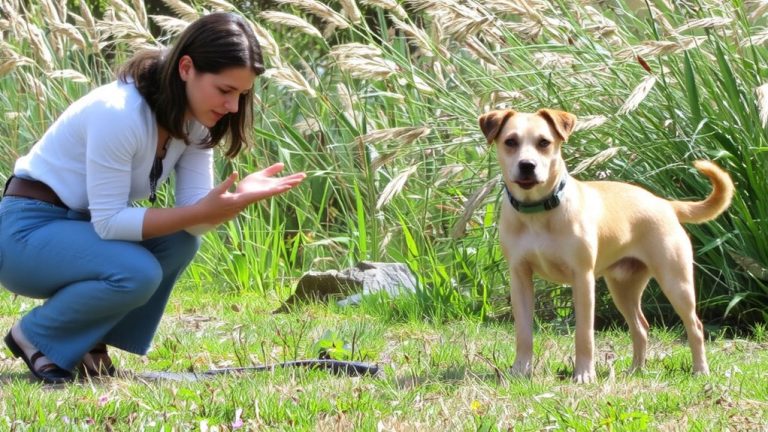
Start by pairing 10–15 soft clicks from an adjustable-volume clicker like the Coachi Multi-Clicker with pea-sized pieces of roast chicken or cheese in a quiet room, where your senior dog can focus without distractions. Keep sessions to one to three minutes, two to three times daily, to build trust through consistency. Use precise timing-click the instant calm behaviors appear-and follow every click with a treat, even if accidental. Celebrate small wins like eye contact or a head tilt, and break tasks into micro-steps; progress looks like turning toward you, then lifting a paw, then sitting. With patience, most skeptical dogs respond within a week of daily practice, especially when soft treats disappear quickly and sessions stay positive. You’ll find how easily confidence grows when learning feels safe.
We are supported by our audience. When you purchase through links on our site, we may earn an affiliate commission, at no extra cost for you. Learn more. Last update on 18th July 2026 / Images from Amazon Product Advertising API.
Notable Insights
- Start by pairing soft, consistent clicker sounds with high-value treats in a quiet space to build positive associations.
- Use an adjustable-volume clicker to accommodate potential hearing loss and reduce startling in skeptical senior dogs.
- Conduct brief, frequent sessions of 3–5 minutes, focusing on 10–15 click-treat pairings to establish trust and attention.
- Click precisely for small calm behaviors like eye contact or head turns, immediately rewarding to reinforce learning.
- Gradually shape success by breaking tasks into micro-steps, using soft, quick-eating treats to maintain engagement and flow.
How to Build Trust With Clicker Conditioning
Start by charging your clicker in a quiet space, where you can give your senior dog the peace they need to focus. Charging the clicker means pairing 10–15 clicks with high-value treats-like tiny bits of roast chicken or cheese-so your older dog learns the consistent sound predicts a reward. This positive reinforcement builds trust right from the start. Use precise timing: click the *instant* you see calm behaviors, like eye contact or sitting on their own. Keep sessions short-just one to three minutes, two to three times daily-to match their energy and attention span. Over time, clicker conditioning strengthens your bond, turning simple moments into trust-building opportunities. With consistent sound, high-value treats, and patient repetition, you’re not just teaching-they’re learning to relax, respond, and rely on you.
Begin With Simple Clicker Tasks
Once your clicker’s charged and your senior dog’s making eye contact, you can begin shaping simple behaviors they already do naturally, like sitting or nudging your hand, by clicking the exact moment it happens and following with a pea-sized piece of roast chicken or soft cheese. This precise timing turns the clicker into a reliable marker, boosting your older dog’s confidence through positive reinforcement. Keep training sessions under five minutes in a low-distraction space to match their focus span. Use high-value, soft treats that disappear quickly, so the flow stays smooth. Charging the clicker first guarantees your dog trusts the system. Celebrate small wins-like a glance or head tilt-to build momentum.
| Task | Treat Type | Session Length |
|---|---|---|
| Sit | Roast chicken | 3–5 minutes |
| Hand touch | Soft cheese | 4 minutes |
| Eye contact | Tiny tuna bite | 3 minutes |
Perfect Your Clicker Timing and Treats
While timing your clicker a split second too late won’t ruin training, it can muddy the message for your older dog, so aim to click the exact moment their paw lifts, their bottom touches the floor, or their eyes meet yours-precision builds clarity. Perfect clicker timing means your dog clearly links behavior to reward. Use soft treats like tiny bits of roast chicken or cheese-they’re high-value treats that melt quickly, keeping sessions smooth. Always follow each click with a treat, even if accidental, to maintain trust in the click and treat bond. Practice your timing by clicking for simple human actions like sitting; this builds accurate timing. Short 5–10 minute sessions, repeated daily, sharpen your skills. Consistent timing strengthens learning, making food treats effective rewards. With perfect timing, your older dog learns faster, and training becomes clear, rewarding, and fun.
Addressing Hesitation in Older Dogs
Why does your older dog hesitate when you bring out the clicker? With aging comes diminished hearing, established habits, and slower learning, all contributing to hesitation during clicker conditioning. Don’t worry-this is normal. Start by using a clicker with adjustable volume, like the Coachi Multi-Clicker, so you can lower the sound and prevent startling your senior. Pair each soft click with high-value treats-think tiny bits of chicken or cheese-in short sessions of 3–5 minutes, one to two times daily. Use consistent repetition: aim for 10–15 click-treat pairings per session to support trust building. Break behaviors into tiny steps; click just for turning toward you. This gradual approach reduces confusion and makes learning achievable. With patience, even skeptical older dogs gain confidence, turning hesitation into willingness through clear, kind communication.
When and How to Phase Out the Clicker
When your older dog consistently performs a behavior on cue-hitting that 90% success rate across walks, parks, and busy hallways-it’s a clear sign the clicker has done its job and you can start phasing it out. Look for reliable performance in multiple environments, especially distracting environments, before you fade the clicker. Begin by pairing the click with a verbal marker like “yes,” then gradually replace it. Shift to intermittent reinforcement-rewarding every second or third success-to solidify consistent behavior. Once the response is stable, switch to variable reinforcement, spacing out treats randomly. This builds resilience and maintains motivation long after you phase out the clicker. Your dog doesn’t need constant clicks forever; with smart timing and clear signals, you’ll keep their skills sharp, practical, and lasting across real-world situations where it counts.
On a final note
You’ve got this-start with one click, one treat, and short 2–3 minute sessions. Use soft, pea-sized training treats like Zuke’s Mini Naturals to keep things moving. Click the exact millisecond your dog does the right thing, then treat. Older dogs may hesitate, so stay patient, consistent, and reward small wins. Once your dog reliably follows cues, begin phasing out the clicker, keeping verbal praise and intermittent treats. Trust grows with every repeat.