How to Pet-Proof Your Home for Sugar Gliders With Escape-Proof Habitats
Use a secure cage with ½-inch (1.3 cm) PVC-coated wire spacing to prevent escapes and injury, and install latches or external locks for added safety. Seal wall gaps, ducts, and outlets with steel wool, caulk, or ½-inch metal mesh. Remove sticky traps, rodenticides, and keep cats or dogs in locked rooms. Designate a hazard-free room with sealed vents, no cords, and safe climbing branches. Keep toilets closed and use shallow, tip-proof water dishes. If your glider goes missing, check warm spots and use flour to track footprints, then use evening treats to lure them out.
We are supported by our audience. When you purchase through links on our site, we may earn an affiliate commission, at no extra cost for you. Learn more. Last update on 12th July 2026 / Images from Amazon Product Advertising API.
Notable Insights
- Use a secure cage with bar spacing no wider than ½ inch and durable, non-toxic coating to prevent escapes and injuries.
- Seal all gaps larger than ½ inch around baseboards, ducts, outlets, and vents using steel wool, caulk, or metal mesh.
- Remove or secure hazards like mouse traps, electrical cords, open flames, and predatory pets to keep gliders safe.
- Designate a small, enclosed, hazard-free room for out-of-cage time with safe climbing branches and regulated temperature.
- Prevent drowning by keeping toilet lids closed and using shallow, tip-proof water dishes no deeper than ½ inch.
Secure a Sugar Glider–Proof Cage With Narrow Spacing
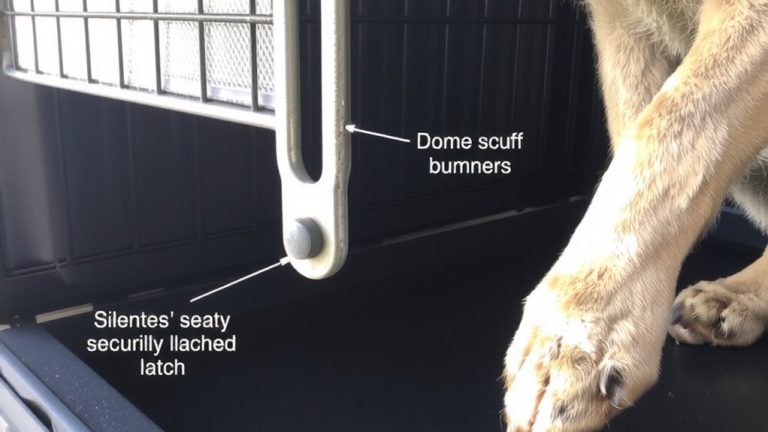
A safe home starts with the right cage, and for sugar gliders, that means choosing one with narrow bar spacing-no wider than ½ inch (1.3 cm)-to prevent escapes and keep them secure. You’ll want a cage made of PVC-coated or powder-coated wire, both durable and safe for your sugar glider to climb. Avoid wider spacing-anything over 1 inch puts Sugar Gliders at risk of slipping through and getting hurt. The minimum size should be 24 × 24 × 48 inches for a pair, giving them room to glide, play, and thrive. Since sugar gliders are smart and quick, use secure latches or external locks; flimsy closures won’t hold up. Check hinges, corners, and bars regularly-the wear points where damage often shows. Keeping the cage in top shape guarantees your Sugar Gliders stay safe, healthy, and contained every day.
Close Gaps They Can Squeeze Through
Don’t underestimate how easily your sugar glider can vanish through the tiniest opening-these agile little gliders can squeeze through gaps as small as ½ inch, so it’s essential to seal every potential escape route around your home. As a dedicated pet sugar owner, inspect walls, baseboards, and appliances for hidden gaps. Use steel wool and caulk for small holes, and install ½-inch mesh over HVAC and dryer ducts. Secure ceiling fan openings and unused outlets with childproof covers. Keep doors and windows shut during out-of-cage time. Sugar gliders are clever and quick, so thoroughness matters.
| Area | Gap Size Risk | Solution |
|---|---|---|
| Walls/Outlets | ½ inch | Foam sealant, outlet guards |
| Vents/Ducts | >½ inch | Metal grates, mesh covers |
| Baseboards | Visible gap | Caulk, trim repair |
| Windows/Doors | Frame gaps | Weatherstripping, locks |
Remove Traps, Toxins, and Predator Risks
While your sugar glider’s curiosity drives them to explore every corner of your home, it also puts them at risk around common household hazards like traps, toxins, and predators. You must remove traps-like mouse traps or sticky traps-that can injure or kill an escaping glider. Avoid all pest control chemicals and rodenticides, or apply them only when your glider is securely away from the area to prevent poisoning. Keep predatory pets like cats, dogs, and ferrets in separate, locked rooms at all times. Even brief exposure can be fatal. Cover open vents, uncapped chimneys, and unsealed gaps smaller than ½ inch to block escape routes. Never allow out-of-cage time near candles, open flames, or operating ceiling fans-these pose serious burn and fall risks. To keep your glider safe, remove traps, toxins, and any threat from larger animals. A secure habitat means peace of mind for both of you.
Set Up a Safe Roaming Room
Because your sugar glider thrives on exploration, setting up a safe roaming room means giving them space to glide, climb, and investigate without risking injury. Choose a small, enclosed room free of hazards like open outlets, ceiling fans, or gaps larger than ½ inch in baseboards and vents-seal them tightly to prevent escape or entrapment. Remove electrical cords, candles, and sharp objects they might chew or knock over. Close toilet lids and shut bathroom doors firmly-never leave standing water accessible. Supervise your glider at all times; they’re fast, curious, and can fall or get trapped easily. Install safe climbing structures like natural tree branches (ensure they’re pesticide-free) to encourage natural behavior. The room should tolerate temperatures between 70–80°F, avoiding drafts or extreme heat. With proper setup, your sugar glider stays active, engaged, and secure during out-of-cage time.
Prevent Drowning in Toilets and Containers
A closed toilet lid is your first line of defense against accidental drowning, since sugar gliders can’t climb out of slick, wet porcelain-even a few inches of water can be deadly. To prevent drowning, always secure lids and supervise during bathroom access. Sugar gliders are lightweight, agile, and prone to curiosity, making any standing water a potential hazard. Check sinks, tubs, and open drink containers-empty them immediately after use. During free-roam time, remove pet bowls or use tip-proof, shallow dishes no deeper than ½ inch. Even outdoor ponds or buckets left outside need secure covers. These small marsupials tire quickly in water and can’t swim effectively. Testers report near-misses in toilets left open overnight, confirming that constant vigilance is non-negotiable. By eliminating standing water and reinforcing containment, you substantially reduce aquatic risks. Keep environments dry, monitored, and glider-safe-because when it comes to safety, every detail matters.
Plan for Missing Glider Emergencies
If your sugar glider slips out of sight, act fast-close toilet lids and shut bathroom doors right away, since even a shallow pool of water can be deadly. Immediately stop using furniture and avoid cluttered areas; they’re small and easily injured if stepped on. Search warm spots like laundry piles, under blankets, or couch cushions-your glider will seek warmth. Sprinkle flour in corners to spot tiny footprints overnight. Place favorite treats or fresh water in open areas during evening hours, when they’re most active. Keep escape routes blocked and check any space something could fit, especially areas placed high, like shelves or cabinets. Daily interaction helps you recognize behavior changes fast, making it easier to spot if something’s off. Stay calm, move slowly, and keep the room quiet to help guide your glider back safely.
On a final note
Keep your sugar glider safe by using a cage with bar spacing no wider than ½ inch, securing all gaps, and removing hazards like toxic plants or open water. Choose secure, escape-proof habitats like the Kaytee CritterNation, tested for durability. Supervise roaming in a glider-proofed room, and always have an emergency plan. Proper setup prevents stress, injury, and escapes, supporting long-term health, behavior, and bonding.