How to Secure Outdoor Grills and Propane Tanks From Inquisitive Pets
Keep your outdoor grill and propane tank safe by wrapping hoses in 1/4-inch hardware cloth or steel mesh to block chewing, then encase them in rigid PVC conduit for extra protection. Store tanks in a locked, weatherproof shed and disconnect hoses after use. Train pets with “No” commands and use baby gates to create a three-foot exclusion zone. Pair ultrasonic repellents with steel sleeves for stronger defense-there’s more to get right when protecting your setup.
We are supported by our audience. When you purchase through links on our site, we may earn an affiliate commission, at no extra cost for you. Learn more. Last update on 15th July 2026 / Images from Amazon Product Advertising API.
Notable Insights
- Train pets to obey commands like “No” or “Off” to prevent interaction with grills and propane equipment.
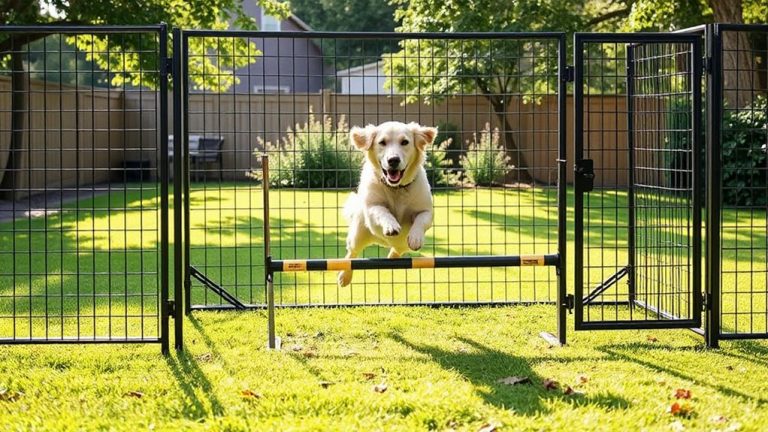
- Use baby gates or fencing to create a three-foot exclusion zone around outdoor grills and tanks.
- Place grills in elevated or designated areas to limit access by inquisitive pets.
- Supervise pets during cookouts or keep them leashed or indoors for safety.
- Store propane tanks in locked, weatherproof sheds to prevent pet contact and tampering.
Understand Why Animals Chew Propane Hoses
Why do rodents target propane hoses, anyway? Because their teeth grow constantly, they chew to keep them trimmed, and your propane lines make an easy target. Rodents chew on propane hoses not just for dental upkeep but because the smell of propane residue, even faint, attracts them. Leftover food odors near the propane tank or line for your grill can lure mice or squirrels, especially in spring and summer when nesting instincts kick in. They may also gather hose materials for nests. To prevent animals from causing dangerous leaks, inspect the gas line regularly. Small gnaw marks can lead to big hazards. A solid routine of regular maintenance-like checking connections and hose integrity monthly-goes a long way. Don’t wait for a hiss or the smell of propane residue. Stay proactive, protect your setup, and keep your pets and family safe from avoidable risks.
Protect Gas Hoses From Chewing With Physical Barriers
Wrap your propane hose in tightly woven 1/4-inch hardware cloth to create a durable, chew-proof barrier that stops rodents in their tracks. When safely using your grill, physical barriers like rigid PVC pipe or corrugated conduit add extra protection, fully encasing gas lines from curious pets and pests. Using commercial-grade steel or reinforced polymer sleeves also helps-these are built to last and resist gnawing. Make certain any cover extends along the entire hose length, especially near ground level where animals are most active. Secure all barriers with metal clamps or heavy-duty zip ties to eliminate gaps. This keeps harmful chemicals contained and prevents leaks. While you store chemicals elsewhere, protecting the hose guarantees your setup stays safe. Keep flammable items and harmful chemicals away, and stay at least three feet clear of structures. These steps guarantee your outdoor cooking area remains hazard-free when using your grill regularly.
Store Grills and Propane Tanks Away From Animals
If you want to keep your outdoor setup safe and functional, storing your grill and propane tank out of reach of animals is a must. Make sure to keep your dog and other pets at least three feet away from the grill, and store tanks in a locked, weatherproof shed or garage. Consider using sealed containers or elevated areas to keep hoses and tanks away from curious paws. Disconnect and coil hoses after each use to make them less attractive to rodents. Essential tips include inspecting for gnaw marks every spring and fall, when rodent activity peaks. You can also place ultrasonic repellents near storage zones to deter pests without affecting pets. Use steel mesh to encase lines if you can’t store them away from the grill. Being sure your setup is secure helps prevent leaks, fires, and costly replacements.
Keep Pets Away With Training and Grill-Side Barriers
You’ve secured your grill and propane tank in a locked shed, kept hoses coiled and encased in steel mesh, and set up ultrasonic repellents to ward off rodents-now it’s time to focus on managing your pet’s behavior around the grill during use. Firing up the grill attracts your furry friend with enticing smells, but training them to obey “No” or “Off” can greatly reduce the chances of burns or exposure to substances toxic to dogs. Using baby gates or temporary fencing creates a three-foot exclusion zone, making sure pets stay safe during cookouts with friends and family. Position your grill in a designated area that’s easy to block off, especially in warner weather when outdoor activity increases. Elevated grill stations help, too. Always supervise or contain your pet, leashing or keeping them indoors if needed, for total peace of mind.
On a final note
Keep your pet safe and your grill ready by securing propane hoses with steel conduit or chew-resistant covers, and store tanks upright in locked enclosures at least 10 feet from animals. Use sturdy gates or gravel barriers to block access. Train pets consistently to stay clear using positive reinforcement. These simple, tested steps-backed by veterinarians and grill owners alike-prevent accidents, reduce risk of leaks, and support responsible pet care and outdoor cooking.