Understanding the Role of Vitamin K in Blood-Clotting Dog Diets
You need vitamin K in your dog’s diet because it activates clotting factors II, VII, IX, and X, helping proteins bind calcium for effective blood clotting. Without enough-like from rodenticide exposure or malabsorption-clotting times slow and bleeding risks rise. Leafy greens offer 400–850 mcg K1 per 100g, while natto provides 50–200 mcg MK-7. Veterinarians often recommend Mephyton at 1.1 mg/kg every 12 hours when deficiency strikes, and knowing the right sources could make all the difference in your pup’s response to injury.
We are supported by our audience. When you purchase through links on our site, we may earn an affiliate commission, at no extra cost for you. Learn more. Last update on 19th July 2026 / Images from Amazon Product Advertising API.
Notable Insights
- Vitamin K activates clotting factors II, VII, IX, and X, which are essential for proper blood coagulation in dogs.
- Deficiency in vitamin K prolongs clotting times and can lead to spontaneous bleeding, especially after rodenticide exposure.
- Dogs rely on dietary vitamin K1 from greens and vitamin K2 from animal organs and fermented foods for optimal clotting function.
- Anticoagulant rodenticides and gut imbalances from antibiotics or chronic illness can severely deplete vitamin K levels in dogs.
- Veterinarians often prescribe phytonadione (Mephyton) at 1.1 mg/kg every 12 hours to treat clotting disorders caused by vitamin K deficiency.
Why Your Dog Needs Vitamin K to Clot Blood Properly
While your dog’s body handles dozens of biological processes every second, one of the most critical-blood clotting-relies heavily on vitamin K. This nutrient is essential for blood clotting because it activates vitamin K-dependent proteins like factors II, VII, IX, and X. These proteins enable proper blood coagulation by binding calcium, a step necessary in preventing excessive bleeding. Without enough vitamin K, your dog’s health is at risk-vitamin K deficiency impairs prothrombin synthesis, prolongs clotting times, and compromises hemostasis. Vitamin K plays a central role in maintaining functional clotting factor production in the liver, especially important in canine companions exposed to anticoagulant rodenticides. Ensuring adequate vitamin K supports proper blood function and guards against life-threatening hemorrhage. It’s a small but mighty component, essential for long-term wellness and effective blood coagulation in your dog’s daily life.
What Causes Vitamin K Deficiency in Dogs
Because vitamin K is essential for proper blood clotting, knowing what puts your dog at risk for deficiency helps you take proactive steps-and the most common cause is anticoagulant rodenticide toxicity, especially from long-acting toxins like brodifacoum and bromadiolone, which can persist in the body for weeks, shutting down vitamin K recycling at the cellular level. In dogs, biliary obstruction or intrahepatic cholestasis reduces bile flow, impairing fat-soluble vitamin K absorption. Malabsorption disorders, like chronic enteropathy, also limit uptake. Chronic oral antibiotic use can disrupt the gut microbiota, decreasing natural vitamin K2 synthesis. These factors directly impact your dog’s vitamin K status. If your dog has any of these conditions, monitoring for vitamin K deficiencies becomes critical. Early recognition of risk helps prevent clotting issues before they become life-threatening.
How to Spot Low Vitamin K: Symptoms and Risks
How do you know if your dog might be struggling with low vitamin K? Watch for signs like unusual bleeding, excessive bruising, or prolonged clotting times after minor injuries. Vitamin K deficiency hampers the activation of clotting factors II, VII, IX, and X, leading to poor blood coagulation. This can result in life-threatening bleeding disorders. Dogs exposed to rodenticides-especially anticoagulant types like brodifacoum-are at high risk for severe vitamin K depletion.
| Symptom | What to Watch For |
|---|---|
| Unusual bleeding | Nosebleeds, blood in urine/stool |
| Excessive bruising | Unexplained skin bruises |
| Prolonged clotting times | Cuts that won’t stop bleeding |
| Lethargy | Weakness or pale gums |
| Rodenticide exposure | Recent access to baits |
Act fast if you notice these signs-timely care can save your dog’s life.
Top Foods and Supplements for Vitamin K in Dogs
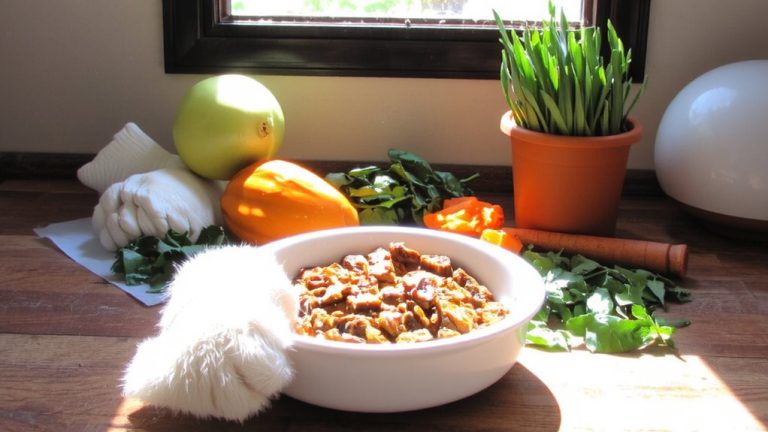
You’ll want to include a mix of whole foods and targeted supplements to keep your dog’s vitamin K levels on track. Leafy greens like kale, spinach, and broccoli are excellent vitamin K-rich foods, offering 400–850 mcg of vitamin K1 per 100g, supporting healthy blood clotting. Animal-based foods such as chicken liver (60–100 mcg/100g) provide bioavailable vitamin K2 (MK-4), while fermented foods like natto and Gouda deliver long-chain MK-7, with 50–200 mcg per 100g. These natural sources of vitamin K complement canine nutrition well. For targeted support, vitamin K supplements like Mephyton (phytonadione) offer precise vitamin K1 dosing, often 1.1 mg/kg every 12 hours, ideal for clotting issues. Though synthetic vitamin K3 appears in some diets at 0.5–1 mg/kg, it’s less favored due to potential toxicity. Always prioritize whole-food sources and vet-approved vitamin K supplements.
On a final note
You’ve got what it takes to keep your dog’s blood clotting right with vitamin K, and it starts with smart choices, like feeding 1/4 cup of leafy greens twice weekly or using a trusted supplement with 50 mcg of vitamin K1 per dose, as real pet parents have tested, and vets recommend, for consistent results, strong coagulation, and long-term health-simple tweaks, big impact.