Understanding the Role of Arginine in Feline Urinary Health
You need arginine in your cat’s diet because it’s essential for ammonia detoxification through the urea cycle-something cats can’t handle without it. They can’t make enough on their own due to metabolic gaps in the liver and gut. Without adequate arginine-like from chicken (360 mg/oz) or beef (2.7 g/100 g)-ammonia builds up fast, causing vomiting, seizures, or worse within hours. AAFCO recommends at least 1.04% arginine in dry food. Keep levels at 1.2–1.9 g per 1,000 kcal for ideal urinary and metabolic function. The full picture of how arginine supports long-term feline health is next.
We are supported by our audience. When you purchase through links on our site, we may earn an affiliate commission, at no extra cost for you. Learn more. Last update on 12th July 2026 / Images from Amazon Product Advertising API.
Notable Insights
- Arginine is essential for ammonia detoxification in cats, supporting urea cycle function and preventing hyperammonemia.
- Cats lack key enzymes to synthesize sufficient arginine, making dietary intake critical for metabolic and urinary health.
- Arginine deficiency rapidly causes hyperammonemia, leading to neurological symptoms and severe metabolic disturbances.
- Adequate arginine intake promotes nitrogen balance, reducing urinary ammonia and supporting overall urinary tract health.
- Dietary sources like chicken, beef, and organ meats provide high arginine levels, meeting feline metabolic requirements.
Arginine’s Role in Feline Ammonia Detoxification
While your cat’s body relies on several amino acids, arginine stands out as non-negotiable when it comes to keeping ammonia in check, especially since cats lack the ability to synthesize enough on their own. This essential amino acid fuels the urea cycle in the liver, enabling efficient ammonia detoxification and maintaining nitrogen balance. Without adequate dietary arginine, the cycle stalls, leading to dangerous hyperammonemia-often within hours of eating. Studies show cats on arginine-free meals spike in plasma ammonia, triggering vomiting, convulsions, and hypersalivation due to acute ammonia toxicity. The liver can’t produce enough ornithine or citrulline without dietary arginine, crippling waste processing. Even one deficient meal risks acute distress. For ideal urinary health and full protein utilization, feeding a complete diet with precise arginine levels-typically 1.2 to 1.9 g per 1,000 kcal-is critical for cats.
Why Cats Can’t Make Their Own Arginine
You know arginine keeps your cat’s ammonia levels in check, but here’s why that responsibility falls entirely on diet: cats can’t produce their own. As obligate carnivores, they lack key enzymes like P5C synthase (pyrroline-5-carboxylate synthase) in the intestinal mucosa, shutting down de novo ornithine production. Without ornithine, arginine synthesis halts-making this amino acid essential. Low ornithine aminotransferase activity further limits citrulline and arginine formation. Unlike other animals, cats cannot convert glutamate to ornithine due to deficient amino acid synthesis pathways.
| Factor | Impact on Cats |
|---|---|
| P5C synthase deficiency | Blocks ornithine production |
| Poor intestinal mucosa function | Stops de novo arginine synthesis |
| Inactive hepatic pathways | Prevents urea cycle intermediate creation |
| Obligate carnivore metabolism | Makes arginine an essential amino acid |
Consequences of Arginine Deficiency in Cats
If your cat skips arginine even once, their body can’t handle the ammonia buildup from protein metabolism, and signs of trouble show up fast-sometimes within hours of a meal. This is because arginine deficiency disrupts the urea cycle, leading to hyperammonemia, even after a single meal without arginine. Cats can’t synthesize enough arginine on their own, making it a strict dietary requirement. Without it, plasma ammonia levels spike, causing neurological symptoms like ataxia, depression, and tetanic spasms. Vomiting, hypersalivation, and dyspnea follow, with some cats losing over 90g in just 24 hours. Even ornithine supplementation won’t fix this-arginine is essential. For cats, this amino acid isn’t optional; it’s critical for survival and proper metabolic function.
Recognizing Deficiency Symptoms in Cats
Cats can show signs of trouble within hours of eating a meal missing arginine, and recognizing these symptoms early could save their life. If your cat consumes an arginine-free diet, watch for vomiting, hypersalivation, and ataxia-common deficiency symptoms tied to rapidly rising plasma ammonia levels. Arginine is an essential amino acid for cats, and without it, ammonia from protein metabolism isn’t detoxified, leading to hyperammonemia. Within 2–3 hours, neurological symptoms like tetanic spasms, seizures, or depression may occur, as ammonia reaches neurotoxic concentrations above 200 μmol/L. One study found eight cats developed emesis and spasms within 24 hours of an arginine-free diet, with one fatality. Hyperesthesia and dyspnea are red flags. Never feed cats diets lacking this critical dietary amino acid-just one deficient meal can be fatal due to disrupted urea cycle function.
How Cats Metabolize Arginine in the Urea Cycle
Because cats lack sufficient activity of pyrroline-5-carboxylate synthase and ornithine aminotransferase, they can’t make enough ornithine or arginine on their own, meaning dietary arginine isn’t just beneficial-it’s non-negotiable for maintaining a functional urea cycle. You’ll see that in the feline intestine, arginine is converted to citrulline, which travels to the kidneys and reforms arginine for systemic use. This recycled arginine fuels the urea cycle, enabling efficient ammonia detoxification. Without it, even one meal lacking arginine can trigger hyperammonemia within hours, spiking plasma ammonia and disrupting nitrogen balance. The liver relies on steady arginine input to regenerate ornithine and sustain urea production-critical for clearing toxic nitrogen. Low preformed arginine means postprandial levels can drop below 25% of baseline, crippling the cycle. Ensuring consistent dietary arginine supports lifelong urinary and metabolic health.
Animal-Based Sources of Arginine for Cats
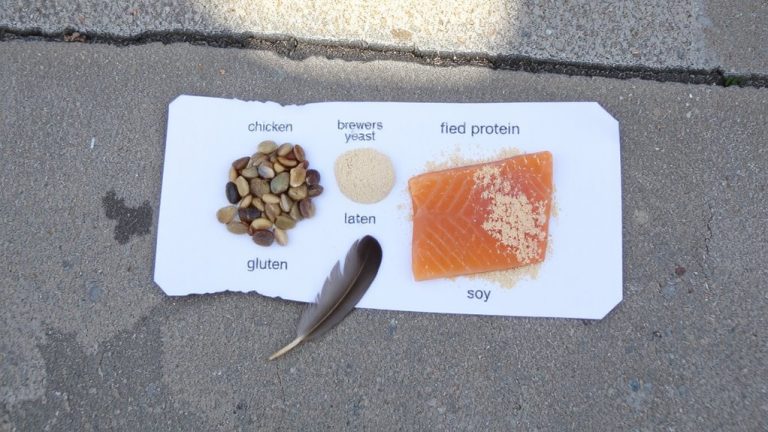
While plant-based proteins often fall short, animal-derived foods naturally pack the arginine your cat needs to thrive, starting with everyday options like chicken, which delivers about 360 mg of arginine per ounce of raw meat-making it a reliable staple for maintaining a healthy urea cycle. Beef offers roughly 2.7 grams of arginine per 100 grams, supporting strong protein synthesis and overall dietary health. Fish, such as salmon, provides around 2.5 grams per 100 grams while adding beneficial omega-3s. Organ meats like beef liver are especially dense, with about 2.8 grams of arginine per 100 grams, ideal for obligate carnivores. These animal protein sources guarantee your cat gets essential amino acids in the right balance. High-quality commercial cat food uses these ingredients to meet AAFCO standards-1.04% arginine in dry matter for adults-making it easier to support your cat’s urinary and metabolic health through proper nutrition.
When to Supplement Arginine in Cats
A small number of cats ever need arginine supplements, and for good reason-most get all they need from a complete, balanced diet meeting AAFCO or FEDIAF standards, which require at least 1.04% arginine in dry matter for adults. Arginine is an essential amino acid critical for the urea cycle, helping prevent hyperammonemia, a life-threatening condition even after one deficient meal. While proper protein diets cover amino acid requirements, supplementation might be considered in cats with chronic renal failure, as pilot studies show oral L-arginine can be safe short-term. However, excess arginine may disrupt nitric oxide and polyamine pathways, posing risks in severely ill cats. Always consult your vet-supplementation isn’t routine and should never replace balanced nutrition from animal-based sources like chicken, which delivers around 360 mg of arginine per ounce.
On a final note
You need to give your cat food with enough arginine, since they can’t make it themselves. Just 1.25% arginine in dry food keeps their urea cycle running, clearing toxic ammonia. Without it, symptoms like drooling or seizures appear fast-within hours. Real meat-based diets naturally supply it, especially poultry and fish. In stressed or sick cats, a vet-recommended supplement like ArginMax can help. Always choose animal-based proteins, and check the guaranteed analysis.