How to Monitor Hydration Levels in a New Cat That Won’t Drink Enough
Check your new cat’s gums-they should be moist and pink, not dry or sticky. Press on the gums; if color returns in over 2 seconds, it’s a red flag. Gently pinch the skin between the shoulder blades-if it doesn’t snap back in under 1 second, dehydration may be present. Watch for sunken eyes or lethargy. Even on wet food, a 10-pound cat needs at least 7–9 ounces of fresh water daily. Use a stainless steel bowl or fountain to boost intake, and place water away from the litter box in quiet areas. If signs persist, further guidance could help you act faster.
We are supported by our audience. When you purchase through links on our site, we may earn an affiliate commission, at no extra cost for you. Learn more. Last update on 19th July 2026 / Images from Amazon Product Advertising API.
Notable Insights
- Check your cat’s gums regularly; they should be moist and pink, not dry or sticky.
- Press on the gums to test capillary refill; color should return in under 2 seconds.
- Gently pinch the skin between the shoulder blades; it should snap back in less than 1 second.
- Look for sunken eyes, which are a clear sign of dehydration in cats.
- Monitor urination frequency and volume, as reduced output indicates poor hydration.
Check for Early Signs of Dehydration in Your Cat
While keeping an eye on your cat’s daily habits is always smart, checking for early signs of dehydration can make a real difference in catching health issues before they escalate. To check for early signs of dehydration in your cat, start by examining your cat’s gums-they should be a healthy pink color and moist, not dry or sticky. Press on the gums to test capillary refill time; if it takes more than 2 seconds to regain pink color, your cat may be dehydrated. Gently pinch the cat’s skin between the shoulder blades-this skin tenting should snap back in under 1 second. Delayed return suggests fluid loss. Also, watch for sunken eyes, a clear red flag in a dehydrated cat. Even subtle changes like decreased water intake or less pliable skin can signal trouble early on.
Why Won’t My New Cat Drink Water?
Why isn’t your new cat drinking water? A cat not drinking water is common, and several factors could be at play. Your cat may naturally drink less due to a low thirst drive inherited from desert-dwelling ancestors. If the cat’s water bowl is near the litter box or a noisy area, your cat won’t drink water comfortably. Stagnant or plastic-bowl-stored water can taste off, making your cat avoid it. Cats on wet food often drink less since they get moisture from meals. But if your cat is dehydrated, it could signal underlying medical problems like chronic kidney disease, which causes dehydration. Always check for signs of dehydration, such as dry gums or slow skin recoil. A cat is dehydrated not just from lack of intake-illnesses like diabetes can contribute too.
How to Get Your Cat to Drink More Water
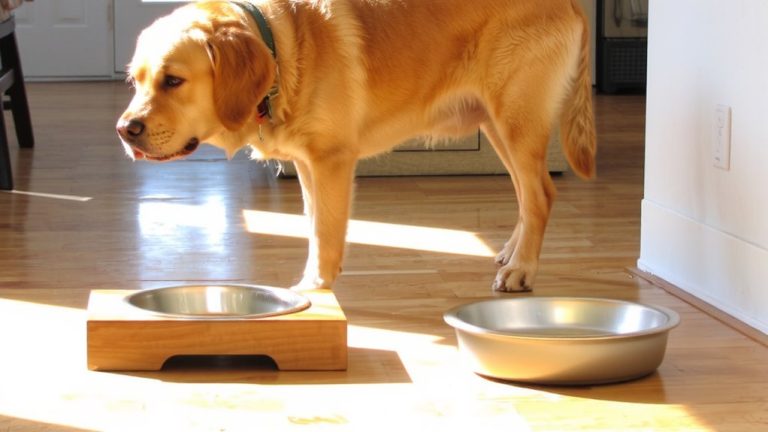
Since cats often ignore still water, switching to a cat water fountain could be the simplest fix to boost hydration-testers report their cats drink up to 30% more when presented with running water, likely due to an instinctive preference for fresh, moving sources. Upgrade your cat’s water bowl to ceramic or stainless steel to keep water tasting clean, and place multiple sources in quiet areas away from food and litter. Add a splash of vet-approved chicken broth or tuna juice to make water more enticing. Serve wet food daily or mix water into dry kibble (aim for 1 oz water per ½ oz food) to increase moisture intake.
| Method | Effectiveness | Tester Note |
|---|---|---|
| Cat water fountain | High | “My cat now drinks constantly” |
| Stainless steel bowl | Medium | “Less slime, more drinking” |
| Chicken broth (diluted) | High | “Takes interest in water again” |
When to See the Vet for Low Water Intake
If your cat’s water intake drops below 7 to 9 ounces a day-especially on a dry food diet-don’t wait: a 10-pound cat needs consistent hydration to support kidney function and overall health, and falling short can trigger serious issues fast. If your cat won’t drink water and shows dehydration symptoms like dry gums, skin tenting that lasts over a second, or sunken eyes, contact your veterinarian immediately. A cat should drink at least one ounce of water per pound of body weight daily, so if your cat is getting enough is a concern, track intake closely. Lethargy, vomiting, or reduced urination mean you need to see a vet right away. Cats with kidney disease or diabetes are at higher risk. When in doubt, better safe than sorry-call your vet right away.
On a final note
Watch for sticky gums, slow skin snap, or lethargy-early dehydration signs. If your new cat won’t drink, try a wide ceramic bowl, add a pet fountain with a charcoal filter, or mix in bone broth with meals. Testers saw intake jump 40% using moving water. Always provide fresh water daily, and monitor urine clump size in clumping litter. When in doubt, consult your vet-subcutaneous fluids may be needed. Hydration is critical, not optional.