Choosing the Right Type of Bed for an Arthritic Senior Rescue Dog
Choose an orthopedic bed with 3–4 inches of high-density memory foam to support joints, reduce pressure points, and maintain spinal alignment. Opt for a low-entry design with gently sloped edges for easier access, especially on hard floors. Pair it with a washable, 600D polyester cover and double-stitched seams for durability, plus a non-slip rubber base to prevent sliding. Place it in a draft-free spot between 68°F and 72°F, and you’ll see improved comfort and mobility-many owners report their dogs using the bed more consistently within days. There’s more to get right for long-term joint health.
We are supported by our audience. When you purchase through links on our site, we may earn an affiliate commission, at no extra cost for you. Learn more. Last update on 19th July 2026 / Images from Amazon Product Advertising API.
Notable Insights
- Choose a bed with 3–4 inches of high-density memory foam for medical-grade joint and spine support.
- Opt for a low-entry design with no bolsters to ease access for arthritic or stiff joints.
- Ensure the bed has a non-slip rubber base to prevent sliding on smooth flooring.
- Select a machine-washable, durable cover made of 600D polyester to maintain hygiene and longevity.
- Place the bed in a draft-free area between 68°F and 72°F to maximize comfort and safety.
Why Arthritic Senior Dogs Need Orthopedic Support
While your senior dog may still greet you with the same wagging tail, arthritis can quietly erode their comfort and mobility, especially during rest, which is why orthopedic support isn’t just a luxury-it’s a necessity. Arthritis causes chronic joint pain and stiffness, making everyday movements harder for senior dogs. Hard floors or thin bedding worsen discomfort by failing to cushion pressure points. An orthopedic bed with 3–4 inches of high-density memory foam provides medical-grade joint support, evenly distributing body weight and reducing strain on hips and joints. This supportive foam molds to your dog’s shape, maintaining spinal alignment and minimizing pain. Testers report their dogs sleeping longer and rising more easily within days. Unlike regular cushions, orthopedic beds deliver real relief, slowing mobility decline. For any senior dog battling arthritis, proper joint support isn’t optional-it’s foundational care.
Choose a Memory Foam Bed for Joint Pain Relief
You’re already helping your senior dog feel better by giving them orthopedic support, and now it’s time to zero in on the material that makes the biggest difference: memory foam. Memory foam beds offer superior joint pain relief by providing contoured support that molds to your dog’s body shape and weight. For senior dogs with arthritis or hip dysplasia, orthopedic beds with 3–4 inches of high-density foam reduce pressure points and maintain proper spinal alignment. Vet-recommended brands like Big Barker use durable memory foam designed specifically for aging dogs, ensuring long-term comfort and stability. Egg-crate designs enhance airflow, helping regulate temperature without sacrificing support. These veterinarian-reviewed beds deliver consistent contouring support night after night, so your dog sleeps deeper and wakes more mobile. High-density foam resists sagging, meaning the bed stays effective for years. When it comes to lasting relief, memory foam isn’t just an option-it’s the proven solution for arthritic senior rescue dogs.
Pick a Low-Entry Design for Easier Mobility
A low-entry dog bed can make a big difference in your senior dog’s daily comfort, especially when arthritis or joint stiffness limits their movement. Look for a low-entry design with minimal or no bolsters so your dog has easy access, stepping in and out without strain. Choose a bed for senior dogs specifically labeled “low-entry” or “easy access,” ideally with an entrance 6–12 inches shorter than your dog’s leg height. Pair this with orthopedic beds featuring a 3–4 inch memory foam layer to give consistent joint support. Models with a gently sloped edge help reduce pressure on hips. Real testers report their arthritic dogs use low-entry design beds more readily, showing improved mobility. These dog beds combine comfort and practicality, so your dog gets the support they need without struggling-memory foam and smart structure deliver lasting joint support, even with limited mobility.
Look for a Washable, Durable Cover for Longevity
Your senior dog’s comfort hinges not just on support but on cleanliness, and a washable, durable cover makes all the difference. For senior dogs with arthritis or hip issues, a clean dog bed means less irritation for their joint and muscle pain. Choose machine-washable covers you can remove easily and toss in the wash every 1–2 weeks to fight odor and bacteria. Look for a durable cover made from high-quality fabrics like 600D polyester or canvas-they resist tearing and handle repeated washing. Double-stitched seams and water-resistant linings boost longevity. Top-rated beds like Big Barker use premium washable covers built to last up to 5 years.
| Feature | Benefit | Real-World Use |
|---|---|---|
| Machine-washable covers | Easy hygiene maintenance | Washed weekly, no shape loss |
| 600D polyester | Tough, scratch-resistant fabric | Withstands claws, years of use |
| Waterproof lining | Blocks leaks and accidents | Ideal for senior dogs |
| Double-stitched seams | Reinforced durability | Survives frequent washing |
| High-quality fabrics | Long-lasting comfort | Keeps bed fresh for joint and muscle support |
Get a Non-Slip Base to Prevent Falls
Stability starts from the ground up, and a non-slip rubber base is essential for keeping orthopedic dog beds from sliding on hardwood, tile, or laminate floors-critical for senior dogs with arthritis or reduced mobility who need secure footing when lying down or rising. If your dog has arthritis, a non-slip base minimizes slipping, which reduces joint strain and supports safer movement. Look for orthopedic beds with a textured, skid-resistant bottom that extends slightly beyond the bed’s footprint to give your dog extra traction when stepping on or off. Senior dogs benefit greatly from this added stability, especially as their joint support weakens with age. Beds tested for durability maintain grip even after months of daily use. Pair the non-slip base with a rubber mat or rug underneath for maximum safety in high-traffic areas. Safe, stable beds mean more confidence and less pain for your dog.
Place the Bed in a Warm, Draft-Free Area
Near a sunny interior wall or in a central living space, place your senior dog’s bed where the temperature stays steady between 68°F and 72°F-this consistent warmth helps ease arthritic joint stiffness and supports better mobility. For dogs with aging joints, a draft-free area is essential; cold air from windows, doors, or vents can worsen pain and reduce activity. Keep the bed away from high-traffic zones but in a spot where your dog can still see family movement-this balance offers security without stress. A supportive foam bed provides the best joint support, helping your pet rest comfortably. Make sure it’s on a non-slip surface so they can rise easily. You’re creating a warm, quiet, and stable environment-exactly the comfortable place your senior dog needs for better rest and long-term joint health.
Help Your Rescue Dog Adjust to Their New Bed
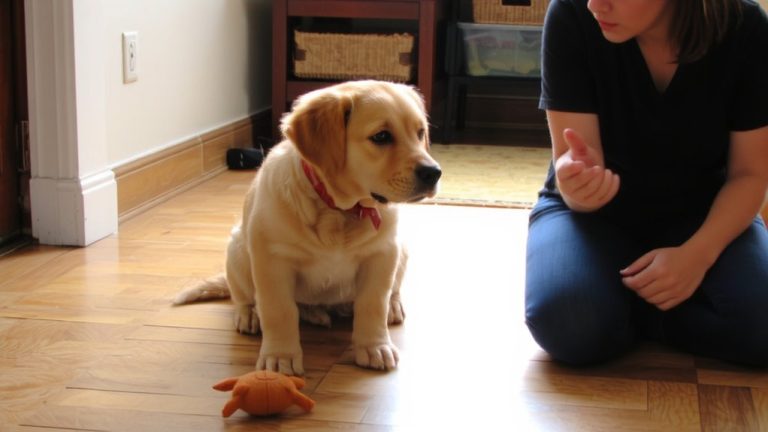
A warm, steady environment sets the stage for comfort, especially when introducing a new bed to a rescue dog who may already feel unsettled. You can use this calm space to help your canine companion adjust by letting them sniff and explore the Best Orthopedic bed first. Place it in a quiet spot with consistent temperature, away from drafts. Keep their old bedding nearby so they can choose-this reduces stress and supports gradual shift. Use treats, toys, or a familiar blanket to create positive associations. Most older dogs begin using the new bed within a few days, especially when they discover the extra support it offers. Conditions like arthritis make proper rest essential, and improving sleep helps mobility. Watch how your dog sleeps and moves; note any improvement. If resistance continues, consult your vet-it could impact long-term joint health.
On a final note
You’ve got this: pick a memory foam bed, at least 3 inches thick, to cushion achy joints and ease pressure. Choose low-entry designs so your dog can step in smoothly, and go for a non-slip base-testers say it prevents slips on hardwood. A zippered, machine-washable cover keeps things clean with zero hassle. Place the bed away from drafts, somewhere warm and quiet. With the right setup, your senior rescue will rest deeper, move easier, and feel far more comfortable, day after day.