Why Grain-Free Doesn’t Automatically Mean Low-Carb for Dogs
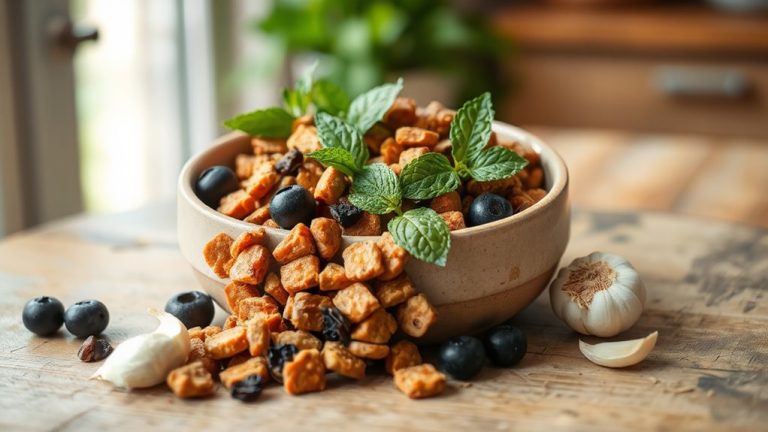
You might think grain-free means lower carbs for your dog, but it usually doesn’t. Many grain-free formulas replace rice or corn with peas, lentils, or potatoes-starchy substitutes that can make up 25–30% of the recipe. These ingredients keep carb levels similar, even pushing over 50% of calories. Diamond Naturals’ grain-free and grain versions have nearly identical carb content. The shift to legume-heavy diets also correlates with rising DCM cases. Focus on nutrient ratios, not just labels, and discover why trusted brands formulate differently.
We are supported by our audience. When you purchase through links on our site, we may earn an affiliate commission, at no extra cost for you. Learn more. Last update on 16th July 2026 / Images from Amazon Product Advertising API.
Notable Insights
- Grain-free dog foods often replace grains with high-carbohydrate ingredients like potatoes, peas, and lentils.
- These starchy alternatives can make up to 30% of the formula and maintain or increase carb levels.
- Many grain-free diets derive over 50% of calories from carbohydrates, similar to grain-inclusive foods.
- Legumes such as peas and lentils are carbohydrate-dense, not low-carb substitutes despite common misconceptions.
- Ingredient lists showing peas, chickpeas, or sweet potatoes in the top three suggest high carb content.
Grain-Free Diets Are Not Low-Carb
While grain-free dog food might sound like a low-carb choice, it’s usually not-many brands swap grains for starchy alternatives like potatoes, peas, and lentils that pack just as many, if not more, carbs. You’re likely feeding your dog similar levels of carbohydrates, even if the bag says “grain-free.” In fact, analyses show grain-free diets often get 50% or more of their calories from carbohydrates, matching or exceeding traditional formulas. It’s not just about removing grains; it’s what replaces them. Legumes-like peas and lentils-are common in these recipes and are dense in carbohydrates, not low-carb substitutes. Even popular brands like Diamond Naturals have nearly identical carb levels across grain-free and grain-inclusive versions. So if you’re choosing grain-free diets hoping to reduce carbohydrates, you might not be making the cut. Always check the guaranteed analysis and ingredient list-you’ll see legumes high up, signaling hidden carbs.
Potatoes and Peas Replace Grains in Most Formulas
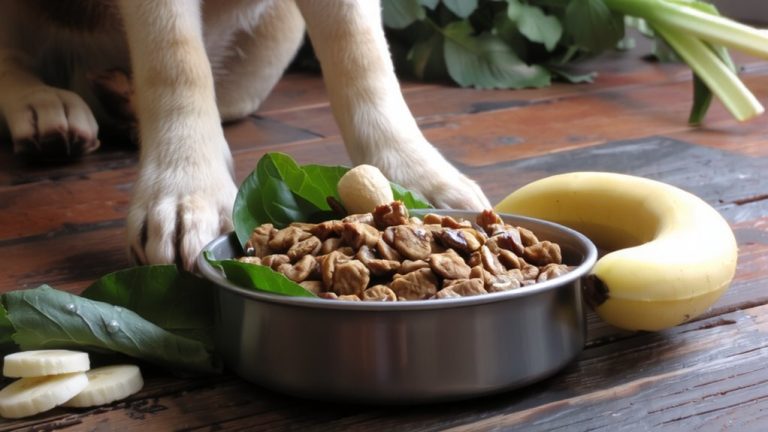
Most grain-free dog foods replace wheat, rice, or corn with potatoes and peas as the main carbohydrate sources, and you’ll see them near the top of the ingredient list-often making up 20 to 40% of the formula. These alternatives deliver starch similar to traditional grains, so cutting grains doesn’t mean cutting carbs. Sweet potatoes, legumes, and peas keep the bowl full but can add up in carbohydrate content. The 2019 FDA report flagged 93% of DCM-linked diets for featuring peas or lentils prominently.
| Ingredient | Grain-Free Formula | Grain-Containing Formula |
|---|---|---|
| Potatoes | High (30%) | None |
| Peas | High (25%) | Low (5%) |
| Grains (e.g., rice) | None | High (35%) |
Carbohydrate Levels in Grain-Free vs. Grain Foods
You’re probably choosing a grain-free formula because you think it cuts down on carbs, but the numbers tell a different story. Many grain-free foods swap grains for starchy substitutes like sweet potatoes, peas, and lentils, which can lead to similar or even higher carbohydrate levels than grain-inclusive diets. In fact, some grain-free options derive over 50% of their calories from carbohydrates. Look at Diamond Naturals: their grain-free and grain-containing adult formulas have nearly identical carb content. Just because a food is grain-free doesn’t mean it’s low-carb-check the ingredient list. If sweet potatoes, chickpeas, or peas are among the first three ingredients, that’s a red flag for high carbohydrate levels. Always read the guaranteed analysis and compare total digestible carbs, not just marketing claims. Your dog’s energy needs matter, but so does understanding what’s really in their bowl.
Are Peas and Lentils Causing Heart Disease in Dogs?
Because of growing concerns tied to diet-related heart issues, you might be wondering if the peas and lentils in your dog’s food could be doing more harm than good. The FDA found 93% of dog foods linked to non-hereditary DCM cases contained peas or lentils as main ingredients. Between 2014 and 2019, they received 524 DCM reports, with cases spiking after 2018-right when grain-free, legume-heavy diets became popular. These diets, often labeled boutique, exotic, or grain-free (BEG), replace grains with legumes, which may interfere with taurine synthesis. That’s a problem because taurine deficiency is strongly tied to DCM development. Even breeds like Golden Retrievers, not genetically prone to DCM, started showing up in 95 of the cases. While peas and lentils aren’t automatically harmful, their high levels in some diets may contribute to heart disease through taurine deficiency.
Nutrient Ratios > Ingredient Lists
While ingredient lists grab headlines, it’s the nutrient ratios in your dog’s food that truly shape their long-term health, since dogs rely on balanced nutrition-not specific ingredients-to thrive. You might assume grain-free means low-carb, but data shows otherwise: Diamond Naturals’ grain-free and grain-inclusive formulas have nearly identical carbohydrate levels. That’s because brands often replace grains with starchy legumes like peas and lentils, keeping carb content high. In fact, over 90% of dog foods linked to diet-associated dilated cardiomyopathy (DCM) were grain-free and legume-rich, revealing how swapping ingredients can skew nutrient ratios. Reputable brands like Royal Canin, Hill’s, and Purina prioritize balanced nutrition backed by feeding trials, not trendy ingredient lists. So instead of fixating on whether a food has grains, look at the nutrient ratios-protein, fat, and carbohydrates-that actually fuel your dog’s body. Your dog doesn’t count ingredients; they need reliable, science-driven nutrition.
How to Pick the Best Dog Food (Grain or No Grain)
Choosing the best dog food isn’t about cutting out grains, it’s about getting the nutrients right. Many pet owners assume grain-free automatically means healthier, but veterinary nutritionists warn otherwise. Grain-free options often swap grains for peas, lentils, or sweet potatoes-pushing carb and starch levels just as high as in grain-inclusive formulas. Look for brands like Royal Canin, Hill’s, Purina, or Rayne, which base formulations on complete nutrient profiles and conduct feeding trials.
| Feature | Recommended Choice |
|---|---|
| Diet Type | Whole-food balanced |
| Key Support | Veterinary nutritionists |
| Linked to DCM | Avoid boutique, grain-free |
| Carbohydrate Level | Similar in grain-free vs. grain-inclusive |
Diamond Naturals shows nearly identical carb levels across both lines. Since 93% of DCM-linked dog foods use peas or lentils, stick with science-backed choices unless a vet advises otherwise.
On a final note
You’re right to question grain-free labels, since they don’t mean low-carb-many use peas, lentils, and potatoes that keep carbs high, sometimes higher than grain-inclusive foods. Current research links these legumes to potential heart risks, so focus on nutrient ratios, not just ingredients. Choose dog food with balanced protein, fat, and carbs-aim for under 30% carbs on a dry matter basis-and prioritize whole meats with proven digestibility, not marketing terms.