What Grooming Supplies You Need for a Long-Haired New Cat
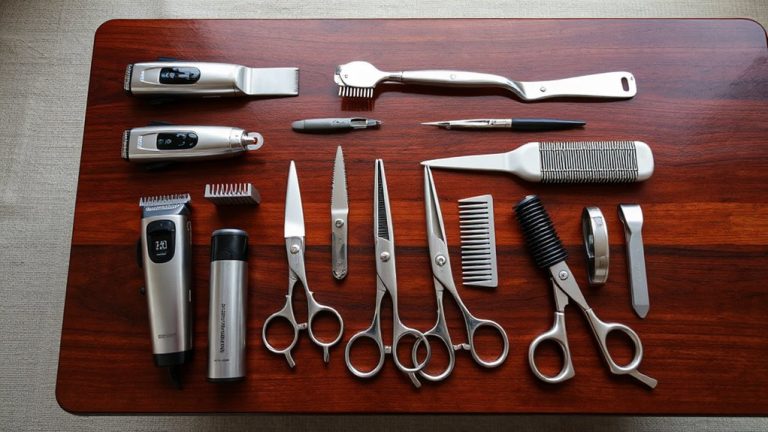
You’ll need a slicker brush with fine, angled wires for daily tangle removal and a dual-length undercoat rake to safely pull loose fur without irritating skin. Add a pin brush to lift debris and spread natural oils, plus a stainless steel comb to check for hidden snarls. Use FURminator-style de-shedding tools weekly-they cut shedding by up to 90%. Rounded-tip, cat-specific tools prevent cuts and reduce hand fatigue, and starting early builds trust that leads to easier care later.
We are supported by our audience. When you purchase through links on our site, we may earn an affiliate commission, at no extra cost for you. Learn more. Last update on 19th July 2026 / Images from Amazon Product Advertising API.
Notable Insights
- Use a slicker brush daily to prevent tangles and remove loose fur from long-haired cats.
- Employ an undercoat rake weekly to safely pull dead undercoat hair and reduce matting.
- Smooth the topcoat and distribute natural oils with a pin brush for a healthy shine.
- Check for hidden snarls and skin issues using metal and wide-tooth combs after brushing.
- Introduce grooming gradually with treats and short sessions to build trust and comfort.
Choose the Right Brush for Your Long-Haired Cat
A slicker brush with fine, angled wires is your best starting point for keeping your long-haired cat’s coat tangle-free, especially if you’ve got a breed like a Maine Coon or Persian that sheds heavily. Use a slicker brush daily to remove loose fur and prevent mats before they form. Follow with an undercoat rake-its dual-length, stainless steel teeth pull dead undercoat hair safely, without irritating skin. Then, glide a pin brush over the topcoat to lift debris and spread natural oils for a glossy finish. Finish grooming sessions with a metal comb and wide-tooth comb to check for hidden snarls close to the skin. These grooming tools for long-haired cats aren’t optional-they’re essential for healthy cat grooming. Pick cat-specific brushes with rounded tips and ergonomic handles; they reduce hand fatigue and prevent cuts. With consistent use, you’ll keep your longhaired cats comfortable, mat-free, and looking their best.
Essential Tools to Prevent Mats and Tangles
You’ve already picked the right brush for your long-haired cat’s daily routine, but preventing mats and tangles means building a complete toolkit, not just relying on one tool. Use a slicker brush every day to catch loose fur and surface snarls, especially in long-haired breeds like Maine Coons and Persians. Add a weekly undercoat rake to pull out deep layers of loose undercoat and reduce matting at the root. A stainless steel comb with fine, close-set teeth checks for hidden knots behind ears, underarms, and belly. For stubborn mats and tangles, try the Chris Christensen Cat/Carding Buttercomb or a dual-sided shedding rake-both work like a de-shedding tool to break up tangles safely. Trim problem zones like paws, chest, and rear with blunt-tip scissors to prevent clinging and matting.
Keep Grooming Calm and Positive
Calm starts with timing-begin grooming when your cat’s purring softly after petting, not fighting the brush. Keep grooming positive by waiting until your cat is relaxed, then introduce tools gently, like using a small toothbrush to stroke their coat, helping them acclimate without fear. Always reward cooperation with a tiny meat treat immediately-this builds a positive link between grooming and good things. Use short sessions, just a few minutes at first, so your cat stays calm and receptive over time. Always stop at discomfort, like tail flicking or growling, and replace tension with gentle petting to rebuild trust. Consistency with calm, positive experiences helps your cat accept grooming willingly. Over time, these short sessions build lasting trust, making long-term care easier for both of you.
Long-Haired Cat Hygiene Must-Haves
While long hair gives your cat a luxurious look, it also demands a solid hygiene routine to keep them healthy and comfortable. Daily brushing with a slicker brush and undercoat rake prevents matting and removes loose long fur. Pair these with de-shedding tools like a FURminator to reduce shedding by up to 90%. Use a flea comb weekly to check for pests and monitor your cat’s skin. Trim fur around the rear, paws, and belly to avoid litter and moisture buildup. Clean eye discharge daily with cat-safe grooming wipes, especially in flat-faced breeds. Trim nails weekly using cat nail clippers, avoiding the quick. Include all essentials in your grooming kit for easy access.
| Tool | Purpose | Frequency |
|---|---|---|
| Slicker brush | Removes tangles, loose fur | Daily |
| Undercoat rake | Clears dead undercoat | 2–3x/week |
| Flea comb | Checks pests, debris | Weekly |
| Nail clippers | Trims sharp tips safely | Weekly |
When to See a Pro for Grooming or Health
When should you call in a professional for your long-haired cat’s grooming needs? If mats are large, tight, or near sensitive skin like the armpits or belly, seek a professional groomer to avoid pain or injury. Choose a cat-only facility with Fear Free certification to reduce stress. If your cat shows aggressive behaviors-hissing, growling, swatting-professional support keeps everyone safe. Always check for hidden skin issues under mats. Red scabby skin, bald patches, sores, or a foul odor means you should consult a veterinarian, as these could signal infection or allergies. Mobile groomers are ideal for anxious cats or severe matting, offering low-stress, in-home care. Some pros even use light sedation when needed. Never wait too long-early intervention prevents complications. A well-groomed coat supports health, comfort, and bonding.
On a final note
You’ll keep your long-haired cat tangle-free with a slicker brush and wide-tooth comb, grooming 3–4 times weekly for 10–15 minutes per session. Use detangling spray for stubborn knots, and trim mats with rounded-tip scissors, not sharp shears. Wipe eyes daily with vet-approved wipes, and clip nails every 10–14 days. For tough shedding, a deShedding tool cuts hair loss by 90% in tests. Stay consistent-regular care means fewer vet trips and a happier, healthier coat.