How to Pet-Proof Your Home for Gerbils With Escape-Proof Enclosures
Keep your gerbils safe by using a 10-gallon glass aquarium with a chew-proof wire mesh lid, secured with durable clips to prevent escapes and predator access. Place it in a cat-free room, six feet from jump points, and use 6–8 inches of paper-based bedding for burrowing. Maintain temps between 65–75°F, avoid drafts, and add safe hiding spots-there’s more to optimizing their habitat the right way.
We are supported by our audience. When you purchase through links on our site, we may earn an affiliate commission, at no extra cost for you. Learn more. Last update on 19th July 2026 / Images from Amazon Product Advertising API.
Notable Insights
- Use a glass aquarium with a chew-proof wire mesh lid to securely house gerbils and prevent escapes or predator access.
- Fasten the mesh lid with durable clips or weights to ensure it cannot be lifted by pets or disturbed.
- Maintain 6–8 inches of safe, unscented bedding like paper or aspen to support natural burrowing behavior.
- Place the enclosure in a quiet, cat-free room away from drafts, direct sunlight, and loud electronic devices.
- Inspect the mesh lid regularly for damage and ensure openings are no larger than 1/4 inch to prevent escapes.
Secure Your Gerbils From Cats and Other Predators
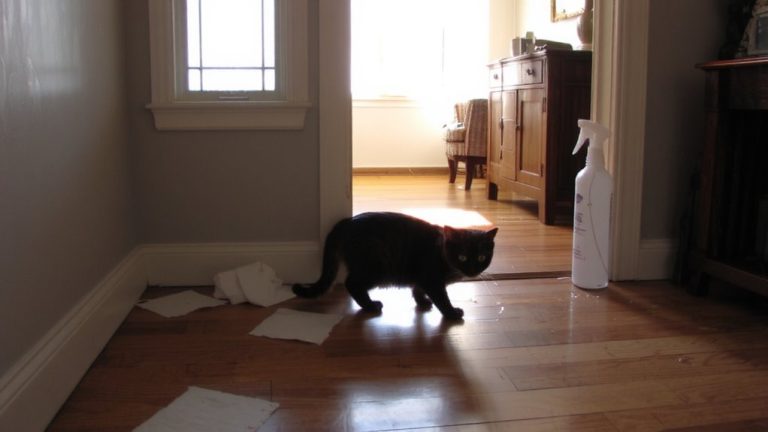
While cats may be natural hunters, you can easily protect your gerbils by choosing the right enclosure and setup. Use a glass aquarium-style gerbils cage with a chew-proof wire mesh lid to secure your gerbils from cats effectively. Predatory cats can’t chew through the durable mesh, and a secure mesh lid prevents pawing or lifting, especially when fastened with lid clips or weighted down. Avoid wooden cages with drop-down doors-they’re no match for clever, persistent cats. Place your gerbils cage in a cat-free room, at least six feet away from furniture cats could jump from. This physical separation reduces stress and attack risks. Testers confirm that elevated cages near edges still attract paw swipes, so location matters just as much as construction. With a sturdy wire mesh barrier and smart positioning, you’ll keep your gerbils safe, calm, and sound every single day.
Choose a Chew-Proof Gerbil Enclosure (Like a Glass Tank)
You’ve already taken steps to keep your gerbils safe from cats and other predators, and now it’s time to focus on the foundation of their home-the enclosure itself. A 10-gallon aquarium is the minimum recommended size for two gerbils, offering a spacious, escape-proof habitat. Choose a glass tank with a solid bottom to prevent foot injuries and support deep bedding-6 to 8 inches-for natural burrowing. Glass is non-porous and chew-proof, unlike wooden enclosures or plastic bins, which gerbils can quickly destroy. Always pair your glass tank with a secure wire mesh lid to prevent escapes and protect from threats. Never use wooden enclosures, as they’re unsafe and hard to clean. Place the tank away from drafts, direct sunlight, and heat sources to maintain the ideal 65–75°F range.
Install a Secure, Escape-Proof Mesh Lid
A secure lid isn’t just an add-on-it’s a necessity, especially for clever, active gerbils that can squeeze through surprisingly small gaps. You need an escape-proof mesh lid made of chew-proof wire mesh with openings no larger than 1/4 inch to keep your gerbils in and predators like cats out. Avoid plastic or soft wire lids-gerbils chew through them fast, compromising your secure enclosure. Guarantee at least 80% ventilation coverage so air flows freely without sacrificing safety. Use durable lid clips to firmly attach the wire mesh to the tank, or place a heavy, non-breakable object on top to prevent lifting. Regularly check the mesh lid for chewing, warping, or loose spots, especially where it connects. A well-secured, chew-proof lid means better long-term safety and peace of mind.
Use Deep, Safe Bedding for Natural Burrowing
Since gerbils are natural diggers and tunnel builders, you’ll want to give them plenty of room to burrow by using 6–8 inches (15–20 cm) of safe, unscented bedding in their enclosure. This depth helps keep tunnels from collapsing and lets gerbils create secure, dark spaces for resting. Choose safe bedding materials like paper-based bedding, shredded paper, or aspen shavings-these are dust-free and won’t irritate their lungs. Avoid cedar, pine, and sawdust, as they can harm your pets. A good bedding material allows for natural behavior while staying hygienic. Make sure to change soiled bedding weekly, but keep a small amount of clean, used bedding to preserve familiar scents and reduce stress. You can also provide gerbils with nesting materials like ink-free paper or cardboard tubes-just avoid cotton or fluffy fibers that may cause injury.
Maintain a Comfortable, Draft-Free Environment
Keeping your gerbils comfortable means maintaining a stable environment they can thrive in, and that starts with temperature control. Keep the room between 65°F and 75°F (18°C–24°C) to prevent thermal stress. Place their enclosure in a draft-free spot-away from windows, fans, and vents-so sudden changes don’t shock them. Avoid direct sunlight, which can quickly overheat the cage; instead, provide indirect lighting for a steady climate. Keep humidity between 35% and 50% to help prevent respiratory issues and mold in bedding and nesting material. Use quality absorbent bedding material to reduce ammonia buildup. Also, position the enclosure away from TVs, computers, and vacuum cleaners-gerbils have sensitive hearing, and ultrasound sources can stress them. A calm, quiet, draft-free space helps them stay healthy, active, and content.
Add Chewable Toys and Safe Hiding Spots
| Item | Purpose |
|---|---|
| Untreated hardwood chews | Wear down teeth safely |
| Hay cubes | Promote chewing, aid digestion |
| Coconut shells | Durable chew toy, natural texture |
| Cardboard tubes | Tunneling fun, replace when worn |
Clean Regularly Without Overstress
While your gerbils nap during the day, it’s the perfect time to tackle a full enclosure cleaning-aim for every 1–2 weeks-using warm, soapy water to scrub surfaces without harsh chemicals, and be sure to rinse everything thoroughly to prevent residue buildup that can irritate their sensitive respiratory systems. Use only mild pet-safe soap and clean water to protect their respiratory health. Spot clean soiled spots and replace wet bedding every 2–3 days to avoid ammonia buildup. When you clean regularly, keep a small amount of unsoiled bedding to retain familiar scents and minimize stress. Never use scented cleaners or strong disinfectants-they’re tough on tiny lungs. Stick to safe, simple products, and always guarantee surfaces are completely rinsed. A steady cleaning routine supports long-term well-being and keeps your gerbils happy, healthy, and right at home.
On a final note
Keep your gerbils safe by using a solid glass tank, at least 10 gallons, with a tight-fitting, escape-proof mesh lid-testers confirm clips prevent lifting by clever diggers. Pair it with 6+ inches of dust-free, paper-based bedding for healthy burrowing. Add chew toys, like loofah or willow, to wear down teeth. Place the enclosure away from drafts and pets, and clean weekly with mild, pet-safe cleaner to maintain hygiene without stressing your pets.