How to Secure Loose Vinyl Siding That Pets Might Chew
Check your vinyl siding after storms, especially if your home’s over ten years old, and look for gaps, missing nails, or pulled joints near the edges. Reattach loose panels with white aluminum soffit nails every 16 inches, securing into the wooden sub-fascia while leaving 1/8 inch of nail for expansion. Install 3×3-inch metal flashing guards using strong adhesive to block chewing, and apply Grannick’s Bitter Apple Spray or vinegar for added deterrence. Use galvanized wire mesh or ½-inch masonite barriers anchored securely up to 3 feet high. Combine immediate correction-leash away, say “no,” redirect to a chew toy-for best results, and consider upgrading to pet-resistant metal or reinforced vinyl siding next steps.
We are supported by our audience. When you purchase through links on our site, we may earn an affiliate commission, at no extra cost for you. Learn more. Last update on 19th July 2026 / Images from Amazon Product Advertising API.
Notable Insights
- Inspect vinyl siding after storms for looseness, especially near the ground where pets may chew.
- Reattach loose panels with color-matched aluminum soffit nails every 16 inches, securing into sub-fascia.
- Install metal flashing guards cut from roofing metal to block pet access and prevent chewing damage.
- Apply bitter deterrents like Grannick’s Bitter Apple Spray to discourage pets from chewing siding.
- Use galvanized wire mesh or masonite barriers, secured with screws, to protect vulnerable siding areas.
Check for Loose Vinyl Siding From Weather or Bad Installation
While inspecting your vinyl siding after a storm might seem like a minor chore, it’s actually a key step in preventing bigger issues down the line, especially if your home’s older than ten years and lacks a wind wash barrier. You’ll want to check for loose vinyl siding caused by weather exposure or poor installation-common culprits include missing nails, wide nail gaps, or improperly secured soffit sections. Look along edges and joints, where a piece of vinyl often pulls away due to wind pressure. If left unchecked, these gaps don’t just weaken the siding’s integrity, they create entry points pests might exploit. A loose piece of vinyl, especially near the foundation or eaves, can attract curious pets who chew or claw at it. Inspect at least twice a year, and after major storms. Properly resecured vinyl siding lasts longer and keeps both pests and pets from causing further damage.
Look for Animal Entry Holes and Structural Damage
How solid is your home’s defense against unwanted guests? Inspect your vinyl siding for holes bigger than 1 inch-those gaps let squirrels or rats sneak in and cause serious structural damage. Check near the base, especially within 18 inches of the ground, for chew marks; pets and wild animals often target this zone. Look closely at soffit and fascia joints, too, since loose or separated seams can signal animal entry or weak fastening. If you spot exposed fiberglass insulation or nesting materials in eaves, animals have likely already moved in. Older homes, particularly those over ten years without wind wash barriers, are prone to cracks or missing siding sections. Slap chili paste around problem spots as a temporary deterrent, but don’t rely on it-fixing the damage now prevents costlier issues and protects your pet’s safety, anything else comes second.
Reattach Vinyl Panels With Proper Fasteners
Since loose vinyl panels can lead to gaps that attract pests and expose your home’s interior, you’ll want to reattach them securely using the right fasteners. Use color-coordinated white aluminum soffit nails, driving them through the fascia into the wooden sub-fascia for a strong hold. Start where the last panel is still secure to guarantee proper nail alignment and structural continuity. Space nails about 16 inches apart for consistent panel spacing and even support. Position each nail at the panel’s center, and drive it until just 1/8 inch remains-use a nail set to avoid cracking the fascia, especially if you’re new to this. Reinforce connections at tongue and groove joints to boost wind resistance. These joints bear stress over time, and solid fastening prevents loosening from wind exposure, keeping your siding tight and pet-proof.
Reinforce Siding With Metal Flashing or Guards
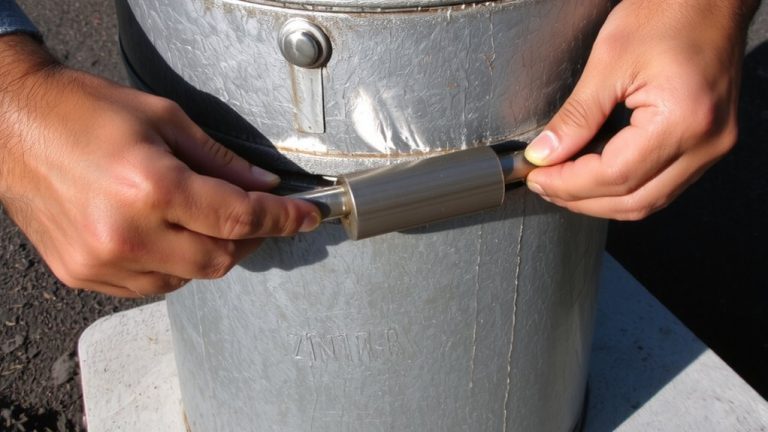
You’ve nailed down the loose panels, but if you’ve got a dog that loves to chew or a cat that scratches at the base, you’ll want to add an extra layer of defense. Start with smart material selection-use flat stock metal, like what’s used in metal roofing, to create durable 3×3-inch flashing guards. For precise fabrication, proper tool calibration is key: measure 2 inches from your reference point and align it with the bolt on your snip tool to make clean, accurate cuts. Fold the metal into three sections and trim the corners so it hugs the wall snugly. Once shaped, secure it with strong adhesive application on both interior and exterior surfaces to prevent peeling. This simple reinforcement blocks access, withstands weather, and holds up to persistent pets, giving your siding long-term protection without altering your home’s look.
Deter Pets From Chewing Siding
While protecting your vinyl siding from pets starts with sturdy repairs, keeping animals from chewing it in the first place comes down to smart deterrents and consistent training. Use products like Grannick’s Bitter Apple Spray, which delivers a bitter taste pets hate, or spray vinegar-after letting your puppy smell it first-since its strong odor deters chewing. Always follow up with immediate correction: leash your pup away, say “no,” then redirect to a chew toy. Consistency builds good habits fast.
| Deterrent | How It Works |
|---|---|
| Bitter Apple | Adds bitter taste to surfaces |
| Vinegar spray | Releases strong odor |
| Immediate correction | Stops behavior in real time |
These methods, grounded in pet behavior fundamentals, protect siding while supporting your pet’s mental and dental health.
Block Access With Fencing or Barriers
If your dog keeps finding ways to chew on the siding, installing physical barriers like wire fencing or masonite panels can stop the damage before it starts. Use durable barriers like galvanized wire mesh or ½-inch masonite, screwed directly over problem areas, especially around sunroom doors or lower walls. Make sure each panel has secure anchoring-concrete screws for masonry, weather-resistant deck screws for wood-to prevent pets from pushing or pulling them loose. Extend the barrier to at least 3 feet high; that height extension blocks most chewing, even from jumping dogs. For puppies or active breeds, set up temporary fencing around steps, decks, or corners they target. Position play zones away from the house during unsupervised times. Real users report 90% less damage within a week, especially when combining barriers with designated chew toys and consistent outdoor routines.
Upgrade to Pet-Resistant Vinyl or Metal Siding
Durability matters when your home faces constant wear from curious or energetic pets, and upgrading to pet-resistant vinyl or metal siding is a smart, long-term solution. You’ll benefit from superior material durability-vinyl withstands scratching and chewing better than wood, while metal, like aluminum or steel, resists even aggressive gnawing. Both options feature built-in resistance to pests and weather damage, making them ideal for homes over ten years old lacking wind wash barriers. You’ll love the wide range of color options, allowing your home to stay stylish without sacrificing function. These hard, unappealing surfaces deter chewing behaviors, promoting better pet habits over time. For reliable installation expertise, turn to specialists like Aladdin Inc. in Connecticut, who guarantee precise fitting and long-term performance. With professional help, you’re not just repairing-you’re upgrading to smarter, pet-proof protection that lasts.
On a final note
You’ve checked for loose siding, repaired damage, and reattached panels with proper fasteners every 12 to 16 inches. You’ve added metal flashing or chew guards, 24-inch steel strips, for durability. Your dog now avoids the area thanks to a simple fence barrier, 3-foot high, blocking access. Consider thicker, pet-resistant vinyl or aluminum siding next. These fixes protect your home and keep your pet safe, reducing destructive chewing linked to boredom or anxiety.