Symptoms and Treatment of Canine Lymphangiectasia
Your dog may have lymphangiectasia if they’re losing weight despite eating well, have chronic greasy diarrhea, or show swelling in the limbs and belly from low protein. Vets confirm it with blood tests, fecal checks, and ultrasounds. Treatment starts with an ultra-low-fat diet using MCT oil (like C8/C10) and high-quality, digestible protein fed in 3–4 small meals daily. Medications like prednisone or clopidogrel (2–3 mg/kg once daily) help if inflammation or clot risk is present. Stick to the plan-your next steps matter.
We are supported by our audience. When you purchase through links on our site, we may earn an affiliate commission, at no extra cost for you. Learn more. Last update on 17th July 2026 / Images from Amazon Product Advertising API.
Notable Insights
- Chronic diarrhea, weight loss, and low blood albumin are common early signs of canine lymphangiectasia.
- Diagnosis involves blood tests, fecal protein loss testing, ultrasound, and intestinal biopsy confirmation.
- A strict ultra-low-fat diet with medium-chain triglycerides helps reduce lymphatic leakage.
- Treatment may include corticosteroids for inflammation, clopidogrel to prevent clots, and diuretics for fluid buildup.
- Prognosis is guarded; long-term management requires dietary adherence and monitoring for complications.
What Is Canine Lymphangiectasia?
Think of your dog’s gut as a finely tuned filtration system, where lymphatic vessels in the small intestine normally absorb and transport essential proteins and fats. In dogs with Intestinal Lymphangiectasia, the lymphatic system develops dilated lacteals within the small intestinal lining, disrupting normal lymph flow. This condition leads to protein-losing enteropathy (PLE), where crucial nutrients leak into the gut instead of staying in the bloodstream. Studies show it accounts for 46% of PLE cases in dogs, making it a leading subtype. While some cases stem from heart disease, tumors, or inflammation, many are idiopathic-meaning the cause remains unknown. Breeds like Soft-Coated Wheaten Terriers, Yorkshire Terriers, Norwegian Lundehunds, and Basenjis face higher risk. Though progressive and irreversible when idiopathic, managing lymph flow through low-fat diets and veterinary monitoring helps support long-term wellness.
Early Signs of Canine Lymphangiectasia to Watch For
You might notice your dog acting a bit off-seemingly hungry but still losing weight, or dealing with on-and-off diarrhea that won’t clear up. These are early signs of canine Lymphangiectasia, a condition where dilated intestinal lymphatic vessels cause protein loss and malabsorption. Watch for chronic small bowel diarrhea, often pale and greasy (steatorrhea), due to fat malabsorption. Weight loss persists even with a normal or increased appetite. Subtle clues like lethargy, poor coat condition, or a pot-bellied look from mild ascites may appear. Some dogs develop peripheral edema as protein loss worsens. Early signs are easy to miss, but routine blood work might reveal low protein, cholesterol, or lymphopenia. Predisposed breeds like Soft-Coated Wheaten Terriers and Yorkshire Terriers often show symptoms between 5 months and 11 years. Catching intestinal Lymphangiectasia early improves long-term management.
How Do Vets Diagnose Canine Lymphangiectasia?
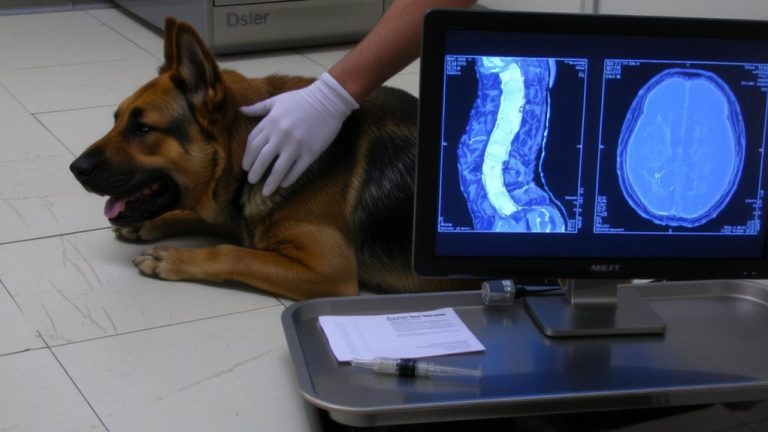
While your dog’s symptoms might point to a gastrointestinal issue, confirming canine lymphangiectasia requires specific diagnostic steps. Your vet will start by looking for hypoalbuminemia, a common sign in dogs with lymphangiectasia, along with hypocholesterolemia and lymphopenia. Since Intestinal Lymphangiectasia in Dogs is a type of protein-losing enteropathy, the fecal alpha-1 proteinase inhibitor test helps confirm intestinal protein loss. Diagnostic imaging, particularly abdominal ultrasound, often reveals intestinal hyperechoic mucosal striations-key indicators of dilated lacteals. White mucosal spots seen during endoscopy also strongly suggest lymphangiectasia and guide targeted biopsies. While imaging and lab work support the diagnosis, a definitive confirmation usually requires histopathology from endoscopic or surgical intestinal biopsies showing distended lacteals and blunted villi. These veterinary tools together guarantee an accurate diagnosis of this complex condition.
Why Diet Is Crucial for Canine Lymphangiectasia
Managing canine lymphangiectasia doesn’t stop at diagnosis-what your dog eats plays a direct role in controlling the disease. An ultra-low-fat diet is essential to reduce lymph flow and pressure in the small bowel, helping prevent worsening of intestinal lymphangiectasia. By limiting fat, you decrease lacteal distention, which in turn minimizes lymph leakage and protein loss into the GI tract. You’ll need to feed highly digestible, high-quality protein to replace depleted serum proteins. Diets with medium-chain triglycerides (MCTs), like C8 and C10, offer a fat source that bypasses the lymph, providing needed calories without aggravating the disease. Serve small, frequent meals-3 to 4 times daily-to ease digestion and reduce vomiting or diarrhea. This approach supports long-term management and improves your dog’s quality of life.
Medications Used in Canine Lymphangiectasia
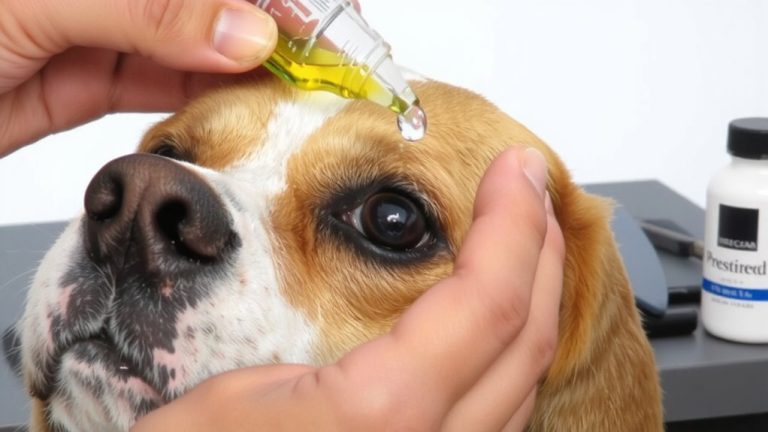
Because canine lymphangiectasia often involves inflammation, clotting risks, and nutrient deficiencies, your vet may recommend a combination of medications to target specific complications. Corticosteroids like prednisone or budesonide are used only if inflammatory bowel disease is confirmed, not for primary lymphangiectasia. Immunosuppressive doses of corticosteroids or other immunomodulators may be needed in those cases. To reduce thromboembolism risk from depleted anticoagulant proteins, clopidogrel (2–3 mg/kg PO q24H) is commonly prescribed. Diuretics help manage fluid accumulation in severe cases. Octreotide, a somatostatin analogue, shows promise in mucosal healing but remains experimental in dogs, with limited veterinary data. You’ll also likely give supplements-cobalamin and folate-if testing reveals deficiencies. Always follow your vet’s dosing plan, since managing this condition requires precise, coordinated care tailored to your dog’s specific lab results and clinical signs.
Long-Term Outlook for Dogs With Lymphangiectasia
Your dog’s long-term outlook with lymphangiectasia depends on several factors, including whether an underlying cause can be found and treated. If your dog has treatable underlying conditions-like heart failure or infections-the prognosis improves markedly compared to idiopathic causes or cancer. Disease progression varies: some dogs stay stable for years with a low-fat diet and medication, while others decline rapidly. Lifelong adherence to a low-fat, highly digestible diet is essential; skipping it worsens protein-losing enteropathy and raises the risk of life-threatening pulmonary thromboembolism. In a study of 469 protein-losing enteropathy cases, 46% were diagnosed with intestinal lymphangiectasia, confirming its role as a leading chronic gut disorder. While the overall prognosis is guarded, consistent care slows disease progression and supports better quality of life.
When to See a Veterinary Specialist
If your dog’s vomiting, diarrhea, or weight loss doesn’t improve after basic treatment, it’s time to consult a specialist, especially if blood work shows low albumin levels-a key sign of protein-losing enteropathy like lymphangiectasia. Persistent clinical signs along with hypoalbuminemia mean you should act fast. Breeds like Yorkshire terriers are more prone to intestinal lymphangiectasia, so vigilance is key. If your vet finds hyperechoic mucosal striations on abdominal ultrasound or white spots during endoscopy, referral is essential. Advanced cases may develop ascites or pleural effusion due to severe hypoalbuminemia. A specialist can perform endoscopic biopsies to confirm intestinal lymphangiectasia and rule out other causes. Early referral improves outcomes, ensuring your dog gets the right diet, medication, and monitoring needed for long-term management.
On a final note
You’ve got this, and so does your dog. Stick to a low-fat diet with 10–15% fat on a dry matter basis, like Hill’s Prescription Diet i/d or Royal Canin Gastrointestinal Low Fat. Add pancreatic enzymes if needed, and give fenbendazole if parasites are suspected. Monitor weight weekly, use cobalamin injections as directed, and keep follow-up labs on schedule-many dogs gain weight within 4–6 weeks. Stay consistent, watch for diarrhea or lethargy, and partner closely with your vet.