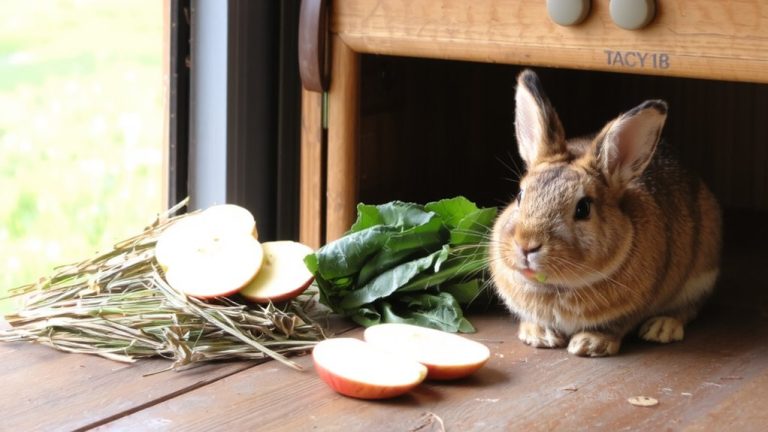
Best Practices for Introducing Fresh Vegetables to a Rabbit’s Diet Without Digestive Upset
Wait until your rabbit is exactly 12 weeks old before giving any fresh vegetables. Start with less than ½ ounce of one low-gas green, like romaine or dandelion greens. Offer just one vegetable at a time and wait 24 hours to check for soft stool or bloating. If all looks good, slowly increase to 1 cup per 2 lbs body weight over weeks. Wash all veggies for at least 2 minutes and inspect for mold-there’s more to get right with timing and variety.
We are supported by our audience. When you purchase through links on our site, we may earn an affiliate commission, at no extra cost for you. Learn more. Last update on 19th July 2026 / Images from Amazon Product Advertising API.
Notable Insights
- Wait until your rabbit is at least 12 weeks old before introducing any fresh vegetables to prevent digestive issues.
- Start with less than ½ ounce of a single low-gas green, such as romaine lettuce or dandelion greens.
- Introduce only one vegetable at a time and wait 24 hours to monitor for soft stool or gas.
- Gradually increase portion size to 1 cup per 2 lbs of body weight after confirming tolerance.
- Wash all vegetables thoroughly and avoid high-risk types like broccoli until the diet is well-established.
Start at 12 Weeks: Never Earlier
Wait until your rabbit hits the 12-week mark before offering any vegetables-no exceptions. Baby rabbits have immature gut flora, and introducing vegetables too early can cause serious digestive upset, including gas, soft stools, or life-threatening diarrhea. Their system simply isn’t ready before 12 weeks. Even during weaning, when they start nibbling solids, stick to hay and mother’s milk. At exactly 12 weeks, you can begin to introduce vegetables-one type at a time, starting with less than ½ ounce. Then, enter a strict 24-hour observation period. Watch closely for any signs of discomfort, gas, or soft stools. Only after clean observation should you add another veggie. This slow method protects delicate digestion and builds healthy gut flora gradually. Patience now prevents emergencies later.
Begin With Safe, Low-Gas Greens
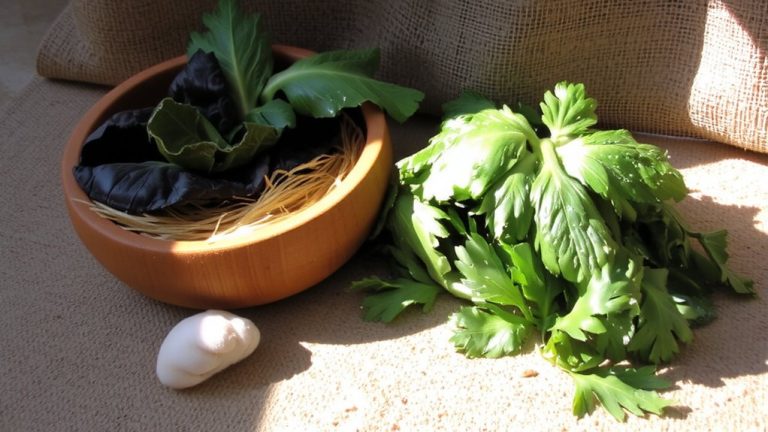
Since your rabbit’s digestive system is still adjusting to solid foods after 12 weeks, start with safe, low-gas greens like romaine lettuce, dandelion greens, or arugula-these are gentle on the gut and less likely to cause bloating or discomfort. These leafy greens are ideal starter vegetables because they provide fiber and hydration without triggering digestive upset. Other great options include bok choy, cilantro, and endive-nutritious, easy to digest, and widely tolerated by young rabbits. These safe greens help your pet shift smoothly while supporting healthy gut function. Always wash vegetables thoroughly to remove contaminants, and offer about half an ounce to begin. Stick to low-gas greens for the first several weeks, avoiding high-risk options like broccoli or cabbage. Consistency with safe greens builds digestive resilience, setting the stage for a balanced, varied diet long-term.
Introduce One Vegetable at a Time
You’ve already started your rabbit on safe, low-gas greens like romaine, dandelion, and arugula, giving their digestive system a gentle introduction to fresh vegetables. Now, when you introduce one vegetable at a time, you can clearly track how each new green affects your rabbit’s health. Offer new greens in small amounts-less than 1/2 ounce for kits over 12 weeks old-and wait 24 hours before trying another. This rule keeps your rabbit diet stable and minimizes the risk of digestive upset. Always observe your rabbit closely for soft stools, diarrhea, or signs of gas during this period. If any issues arise, stop that vegetable immediately and wait until stools normalize before testing another. Sticking to this method guarantees safe, steady expansion of your rabbit’s fresh vegetables lineup.
Monitor for Soft Stool or Bloating
If your rabbit’s droppings change in consistency or shape after trying a new vegetable, it’s a clear sign their system isn’t handling it well, and you’ll want to act fast. You must monitor fecal output closely during the 24-hour observation period, as soft stool may signal digestive intolerance or high oxalate content in greens like spinach or beet tops. Bloating or abdominal distension means you should discontinue vegetable immediately-these are early warnings of gastrointestinal stasis, a life-threatening condition. Any sign of soft stool lasting over 12 hours, reduced appetite, or lethargy requires prompt veterinary care.
| Symptom | Urgency Level |
|---|---|
| Soft stool | Moderate – Act now |
| Bloating | High – Seek care fast |
| Abdominal distension | Critical – Emergency |
Slowly Add More Types and Portions
Once your rabbit has successfully tolerated a new vegetable for 24 hours without any signs of soft stool, gas, or decreased appetite, you can begin slowly expanding both the variety and portion size. Start by offering small quantities-just 1–2 tablespoons for adults-and slowly add more over several days. You should gradually increase to about 1 cup of packed greens per 2 pounds of body weight. Always introduce any new vegetable one at a time, waiting 24 hours between each, to monitor for soft stools or digestive upset. Every rabbit is different, so adjust based on your pet’s response. Aim to increase your rabbit’s intake of a variety of greens, offering 3–6 types weekly. Rotate them to maintain nutrition without overwhelming the gut. If you spot issues, discontinue that veggie and wait a week before trying again.
Wash and Inspect Vegetables Before Feeding
Always wash vegetables thoroughly before feeding them to your rabbit-this removes harmful bacteria and pesticide residues that could lead to serious health issues, including RHDV2. You should wash all produce under running water for at least two minutes, changing the water a few times to guarantee dirt and chemicals are fully gone. Even organic produce can carry harmful bacteria, so organic produce should be washed just like conventional veggies. Always inspect vegetables for mold or signs of spoiled food; anything you wouldn’t eat shouldn’t go to your rabbit. Remove fibrous strings, like those in celery, to prevent choking. After you wash vegetables, leave them slightly damp to support hydration and GI motility-the added water content helps digestion. But don’t let them stay soaking wet, as excess moisture encourages bacterial growth.
On a final note
Start veggies at 12 weeks, never before. Begin with safe, low-gas greens like romaine or cilantro, one type at a time. Watch closely for soft stool or bloating over 24 hours. If all goes well, slowly add new varieties every 3–4 days. Wash all produce thoroughly, remove pesticides, and serve fresh. Stick to 1 cup per 2 lbs body weight daily. Your bunny’s digestion will stay balanced, happy, and healthy.