Best Practices for Feeding Insects to a Chameleon With Proper Gut-Loading
You keep your chameleon healthy by gut-loading insects 24–72 hours with nutrient-dense foods like dandelion greens, squash, and Repashy Superload, which deliver more calcium than dusting alone and prevent metabolic bone disease. Skip spinach and citrus, use water-rich veggies for hydration, and feed crickets for 48 hours, roaches up to 72. Try coarse carrots for Dubias, or a deli lid with sweet potato for mealworms. With the right mix of wet and dry gut-loads, your feeder bugs become nutritious, safe meals-learn how each insect benefits from tailored prep.
We are supported by our audience. When you purchase through links on our site, we may earn an affiliate commission, at no extra cost for you. Learn more. Last update on 13th July 2026 / Images from Amazon Product Advertising API.
Notable Insights
- Gut-load feeder insects 24–72 hours before feeding with nutrient-rich foods like dandelion greens, squash, and carrots.
- Use calcium-rich, low-oxalate greens such as dandelion, romaine, and mustard greens for optimal nutrition.
- Avoid spinach, citrus, broccoli, and animal-based feeds to prevent toxicity and nutrient imbalances.
- Provide hydration through water-rich vegetables instead of standing water to prevent mold and drowning.
- Supplement wet gut-load diets with dry mixes containing bee pollen, alfalfa, and spirulina for balanced nutrition.
What Is Gut-Loading and Why Your Chameleon Needs It
While you might think tossing a few crickets into your chameleon’s enclosure is enough, what those insects have eaten in the last 24 to 72 hours actually matters a lot-this is where gut-loading comes in. Gut-loading means feeding the insects nutrient-dense foods so they become mini-vessels of vitamins and minerals your chameleon needs. You’ll want to gut load insects with a variety of different foods, especially leafy greens like dandelion and romaine, which offer high calcium and low oxalates. The benefits of gut-loading go beyond basic nutrition-it prevents deficiencies like metabolic bone disease far more effectively than dusting. Insects such as Dubia roaches and crickets absorb nutrients internally, delivering them naturally when eaten. Use commercial options like Repashy Superload or Cricket Crack, but always supplement with fresh produce to guarantee hydration and a variety of different nutrients.
Safe & Nutritious Gut-Load Foods (And What to Avoid)
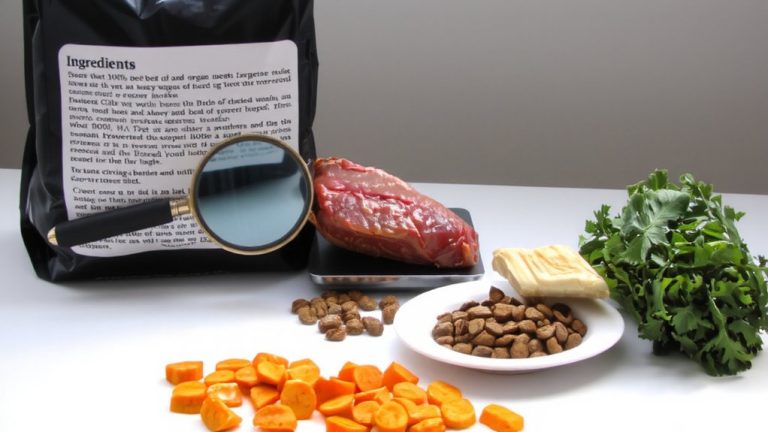
Since your chameleon relies on the nutrients stored in the insects you feed, choosing the right gut-load foods is essential for long-term health and vitality. For gut loading, combine safe wet gut-load foods like dandelion leaves, squash, papaya, carrot, romaine, and sweet potatoes-they hydrate and nourish feeder insects while offering key vitamins. Pair these with a dry gutload mix containing finely ground alfalfa, flax seed, sunflower seeds, spirulina, and bee pollen for concentrated nutrition. Mustard greens are excellent for variety and low in oxalates, unlike spinach or collard greens, which you should limit. Avoid citrus fruits, broccoli, and bok choy due to potential toxicity and goitrogenic effects. Never use dog food, cat food, or fish food-they’re high in animal protein and preformed vitamin A and D, which can harm your chameleon. Balanced gut loading supports strong immunity, growth, and proper metabolism.
How Long to Gut-Load Crickets, Roaches, and Other Insects
You’ve picked the right gut-load foods to keep your chameleon healthy, and now it’s time to get the timing right. Proper gut-loading guarantees crickets deliver maximum nutrients, so feed them collard greens and squash for 24 to 48 hours before offering to your chameleons. Roaches, like Dubia and hissing cockroaches, need up to 72 hours due to slower digestion, letting them fully absorb nutrients from coarse-chopped wet and dry mixes. Superworms and mealworms do best with 24 to 48 hours of gut-loading using carrots, sweet potatoes, and dandelion greens. Terrestrial isopods require at least 24 hours with moist foods like grape leaves and squash on a deli lid to prevent mess. Always provide hydration via water crystals or veggies during gut-loading. This consistent, timed approach boosts nutrition, supports chameleon health, and makes every feeding count.
Gut-Loading Tips by Insect Type
When prepping your feeder insects, tailoring the gut-loading approach by species guarantees your chameleon gets balanced, bioavailable nutrients every time. Proper gutloading guarantees your feeding routine supports peak health. Different insects need specific gut-loading diets: Dubia roaches thrive on coarse-chopped veggies like squash and dandelion, while crickets need 24–48 hours of calcium-rich greens. Always use wet gutload on a deli lid for messy prey items like superworms to avoid substrate contamination. For maximum nutrition, offer dry gut-loading diets-like ground sunflower seeds and bee pollen-separately and sparingly. Even bearded dragons benefit from these practices, so why not your chameleon?
| Insect Type | Gut-Load Method | Key Veggies/Supplements |
|---|---|---|
| Dubia Roaches | Coarse-chopped wet food | Carrots, squash, dandelion leaves |
| Crickets | 24–48 hr wet gutload | Collard greens, sweet potatoes |
| Superworms/Mealworms | Deli lid with wet food | Zucchini, kale |
| Isopods & Snails | Deli lid, moisture control | Romaine, cucumber |
| All Insects | Supplemental dry diet | Alfalfa, bee pollen, sunflower |
On a final note
You’ve got this: gut-load insects 24–48 hours before feeding using nutrient-rich foods like carrots, sweet potatoes, and Repashy SuperLoad. Avoid iceberg lettuce and toxic plants. Crickets need full hydration and nutrition; roaches thrive on oats and squash. Consistent gut-loading boosts your chameleon’s hydration, digestion, and overall essentialness-testers see brighter coloration and steady activity. Proper prep means healthier meals, fewer vet visits, and a happier, thriving pet. Stick to the schedule, pick quality feeds, and watch the difference.