Step-By-Step Guide to Cleaning a Dog’s Preputial Sac With Warm Water
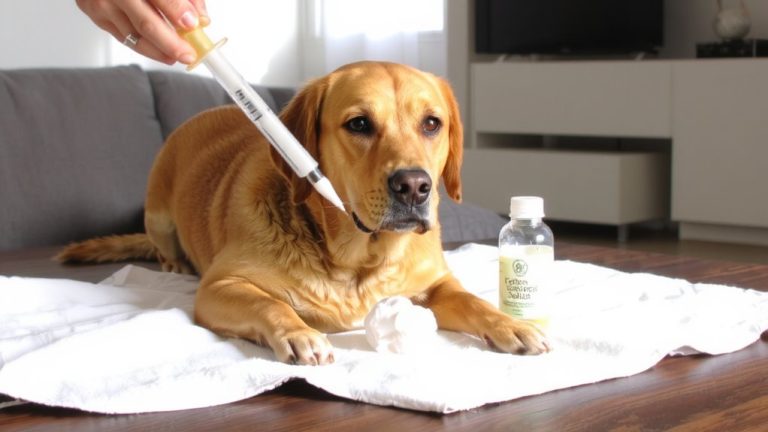
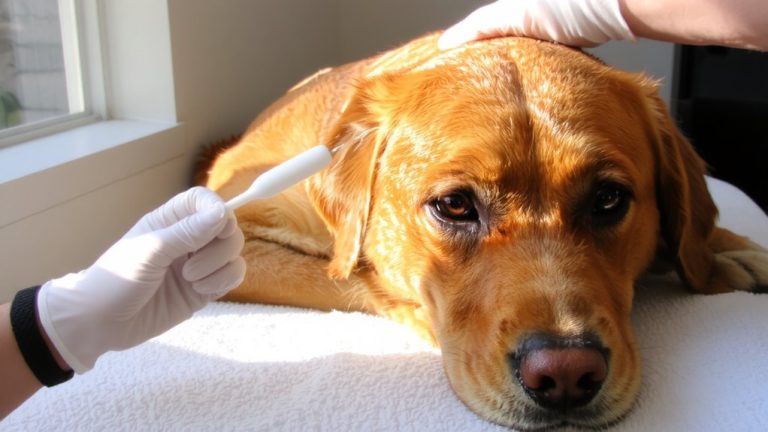
First, mix ¼ teaspoon of non-iodized salt into 4 ounces of warm water at 100°F to make a gentle saline solution. Put on disposable gloves, then use a soft cloth or gauze pad dampened with the solution to wipe the preputial opening. If needed, use a bulb syringe to gently flush the sac, holding the prepuce open carefully-never force it. Wipe away discharge, which may be yellowish-white or slightly green-tinged, and dry the area well afterward. Limit cleaning to every 1–2 days only when smegma is visible, since overcleaning strips natural lubrication and irritates sensitive tissue. Avoid antiseptics unless your vet tells you to use them. Watch for foul-smelling, discolored, or bloody discharge, persistent swelling, excessive licking, or difficulty urinating-all could signal infection. Routine cleaning with warm saline helps prevent bacterial buildup, reduces inflammation, and supports urinary health. You’ll learn which supplies work best and when to call your vet.
We are supported by our audience. When you purchase through links on our site, we may earn an affiliate commission, at no extra cost for you. Learn more. Last update on 19th July 2026 / Images from Amazon Product Advertising API.
Notable Insights
- Prepare a gentle saline solution using ¼ teaspoon non-iodized salt mixed into 4 ounces of warm water (100°F).
- Wipe the preputial opening with a soft cloth or gauze pad dampened with warm saline to remove surface discharge.
- Use a bulb syringe to gently flush the preputial sac with warm saline, holding the prepuce open carefully.
- Avoid forcing the flush to prevent tissue damage and stop if the dog shows signs of discomfort.
- Dry the area thoroughly with a clean towel or paper towels after cleaning to prevent bacterial growth.
How to Clean Your Dog’s Preputial Sac at Home
You can keep your dog’s preputial sac clean at home with a few simple steps and basic supplies. Gently wipe the opening of the dog’s prepuce with a warm, damp cloth to remove preputial discharge, which may appear yellowish-white or slightly green-tinged-it’s often smegma, not infection. If needed, use a bulb syringe to flush the sac with warm sterile saline (¼ tsp salt in 4 oz water), holding the prepuce open carefully to let the solution reach inside. Never force anything in. This helps clear debris and reduces risk of urinary tract infections, especially if your dog has urinary incontinence. After cleaning, dry the area thoroughly-moisture breeds bacteria. Limit cleaning to once daily as needed, since over-cleaning strips natural lubrication. Be consistent, gentle, and watch for swelling or foul odor, which warrant vet care.
Gather the Right Cleaning Supplies First
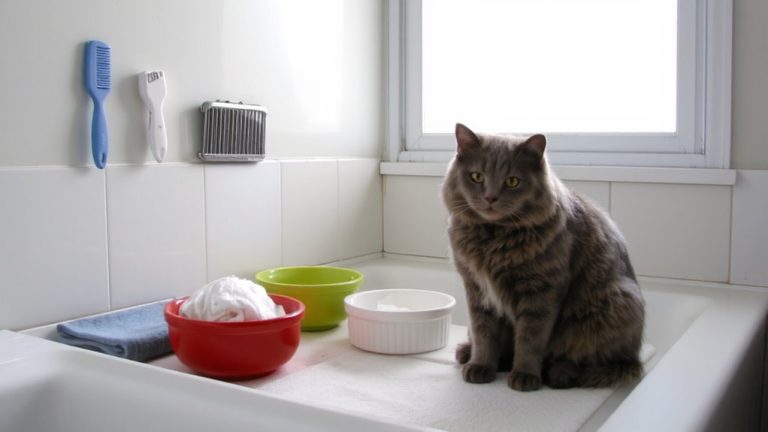
While preparing to clean your dog’s preputial sac, gathering the right supplies ahead of time guarantees a smooth, hygienic process that’s stress-free for both you and your pet. Start by collecting essential cleaning supplies: a soft cloth or gauze pad, non-iodized salt, and warm water around 100°F. Mix ¼ teaspoon of salt into 4 ounces of warm water to create a gentle saline solution. Have a bulb syringe ready to flush the dog’s preputial sac if you notice debris. Keep disposable gloves on hand to prevent bacterial transfer. Place paper towels or a clean, dry towel nearby to pat the area thoroughly after rinsing-this prevents excess moisture, which can lead to irritation. Using warm water and proper cleaning supplies assures a safe, effective routine you can rely on confidently.
How Often to Clean: And When It’s Too Much
Overcleaning the preputial sac is more common than you might think, and it’s easier to do damage than you’d expect-especially since the tissue there is highly sensitive and designed to stay moist. Cleaning more than once a day can strip natural lubrication, irritate mucous membranes, and disrupt the balance needed to flush out dead cells and bacteria. Stick to every 1–2 days only if you see smegma buildup and your dog isn’t self-grooming well. Avoid antiseptics unless advised, as they can harm tissue and increase infection risk. Daily cleaning is only for short-term veterinary treatment, typically 3–5 days during active infections. Normal smegma, even if slightly yellow or green-tinged, doesn’t need removal. Over-flushing can do more harm than good, leading to inflammation or complications that require professional care. Keep it simple, infrequent, and always watch for signs of discomfort.
Spot Infection Signs Before It’s Serious
If your dog starts licking his prepuce more than usual, don’t brush it off as just a grooming habit-this could be an early red flag for infection. Watch for foul-smelling smegma, especially if it’s dark yellow, green, or bloody, as these often point to bacterial infections. If the discharge lingers or swelling lasts over an hour, it might mean your dog’s penis is infected, or there’s a more serious issue like paraphimosis. Also note pain, difficulty urinating, or incontinence-these can signal prostatitis or systemic illness. Dry, discolored tissue after failed retraction? That’s an emergency. You’ll need a vet immediately to determine whether it’s localized or a deeper health problem. Catching these signs early gives your dog the best shot at a quick recovery-don’t wait until it worsens.
Why Regular Cleaning Prevents Health Problems
Since smegma naturally builds up in your dog’s preputial sac, skipping routine cleaning can quickly lead to trouble-bacteria thrive in that moist, warm environment, and within days you might notice a foul smell or discolored discharge. For male dogs, this buildup isn’t just unsanitary; it can lead to balanoposthitis and increase the risk of urinary tract infections. Over time, bacteria-laden smegma may even contribute to bladder stones, especially in dogs with urinary incontinence. Daily cleaning with a small amount of warm water flushes out debris, reduces inflammation, and prevents irritation. You’ll also catch early signs like redness or lumps before they become serious. Consistent hygiene supports skin integrity and overall urinary health, keeping your dog comfortable and infection-free-simple, effective, and essential for long-term wellness.
On a final note
Keep your dog healthy by cleaning the preputial sac weekly with warm water, using a soft gauze pad or cotton ball-never harsh soaps or alcohol. Gently retract the sheath and rinse inside, checking for redness, swelling, or discharge. Over-cleaning can irritate, so stick to once a week unless advised otherwise. Regular maintenance prevents infections, reduces odor, and supports long-term urinary and skin health, especially in unneutered males.