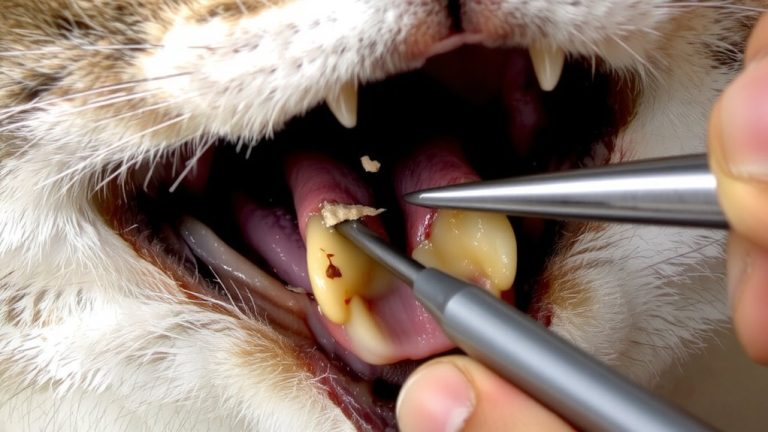
How to Prevent Nail Bleeding in Dogs With Dark Claws Using a Dremel
Use your Dremel at 14,000 RPM-like the 7760 model-to safely shape dark nails without overheating. Watch for a white spot or soft, moist texture, which means you’re near the hidden quick. Trim every 3–4 days with a 60-grit drum, then smooth with 120-grit. Switch between nails and use 1–2 second bursts to reduce heat. Finish by applying a drop of olive oil to each nail to prevent cracking. You’ll learn key cues that keep painful bleeds away.
We are supported by our audience. When you purchase through links on our site, we may earn an affiliate commission, at no extra cost for you. Learn more. Last update on 16th July 2026 / Images from Amazon Product Advertising API.
Notable Insights
- Use a Dremel at 10,000–15,000 RPM with short 1–2 second bursts to avoid overheating and damaging the nail.
- Stop immediately if a white spot appears in the nail center, indicating the quick is near.
- Feel for a texture change from firm to soft or moist, signaling proximity to the blood-rich quick.
- Trim every 3–4 days with a 60-grit drum, switching to 120-grit for smoothing without over-removal.
- Apply one drop of olive oil per nail after Dremeling to condition and prevent cracking.
Recognize Why Dark Nails Increase Quick Risk
While light-colored nails make the quick easy to see, dark nails hide that sensitive inner tissue, putting your dog at higher risk of bleeding during trimming. With black nails, you can’t see the quick, making it tough to know where the Nail Quick-packed with blood vessels-ends. Unlike colored nails, where you can spot the pink quick, dark nails force you to rely on clues like a small white spot in the center or texture shifts. That spot in the center often marks the beginning of the quick, so stop filing before you reach it. Cutting too close while trimming your dog’s nails risks pain and bleeding. When you cut your dog’s nails, especially black nails, proceed slowly. The quick curves with the nail, so even without seeing it, you can feel resistance. Knowing how to see the quick indirectly keeps your dog safe and stress-free.
Set Your Dremel to the Safe Speed for Dark Nails
Set your Dremel to between 10,000 and 15,000 RPM when grinding dark nails, since that range delivers effective shaping without overheating sensitive tissue near the quick. Using a Dremel nail grinder at this safe speed minimizes friction and heat buildup, which is essential when you can’t see the quick beneath dark nails. Models like the Dremel 7760 run at 14,000 RPM, fitting perfectly within the 10,000–15,000 RPM sweet spot, while variable-speed options like the 8240 or 8220 give you control to stay in that range. Avoid higher RPMs-they increase the risk of discomfort and potential damage. Work in short bursts of 1–2 seconds per pass to keep the nail cool and reduce stress on your dog. This steady, careful approach with your Dremel guarantees smoother grinding, less heat buildup, and safer results on dark nails every time.
Watch for the White Spot and Soft Nail Texture
You’ve got your Dremel spinning at 10,000 to 15,000 RPM, just right for shaping dark dog nails without overheating sensitive tissue, and now it’s time to focus on what you’re actually feeling and seeing as you file. Watch closely during nail grinding-when a white spot appears in the center of the nail, stop immediately, as it signals the quick is near. With black claws, visual cues are limited, so rely on texture change: healthy nail feels firm, but a soft nail texture means you’re getting close. Pay attention to a moist nail or slightly elastic nail, both warning signs of the quick’s presence. Use 1–2 second bursts with your Dremel, and alternate between nails to prevent heat buildup. This helps you catch subtle shifts in texture before you reach the quick.
Trim Nails Frequently to Gradually Recede the Quick
Regularly trimming your dog’s nails every 3–4 days with a Dremel can gradually shorten the quick, especially if their nails are severely overgrown, and you’ll want to stick to a consistent schedule to see real progress. Frequent nail trimming at 10,000–15,000 RPM safely wears down Dog Nails without overheating the live part. Use a 60-grit drum (#408) to trim, then switch to a 120-grit band (#432) to smooth-this reduces pressure on the nail and helps you stay close to the quick without hitting it. Each time you trim your dog’s nails, you’re encouraging the quick to recede. Watch the center of the part of the nail; if it turns white or feels soft, you’re too close. Regularly trimming your dog’s nails keeps the quick shorter over time, making future sessions safer and less stressful for both of you.
Condition Nails After Dremeling With Olive Oil
Why not give your dog’s nails a little extra care after Dremeling? Applying olive oil post-trimming provides essential conditioning that supports long-term paw health. After nails are cut, a quick massage with olive oil seals the nail surface, locks in moisture, and helps prevent cracking-especially important for dogs with dark claws where the quick is hidden. Since your dog might lick their paws, using food-safe olive oil guarantees safety while turning Pet Nail Grooming into a positive experience. A tiny amount per nail prevents residue and slipping, keeping traction intact. Over time, regular conditioning improves nail texture and resilience. Maintain a firm hold on your dog’s paw during application for accuracy and comfort.
| Benefit | Product Used | Application Tip |
|---|---|---|
| Moisture retention | Olive oil | 1 drop per nail |
| Protective barrier | Olive oil | Massage in gently |
| Improved texture | Olive oil | After each Dremeling |
| Safe if licked | Olive oil | Use food-grade only |
On a final note
You’ve got this-using your Dremel on low speed (6,000–8,000 RPM) keeps dark nails safe, letting you spot the white center and softer texture that signal the quick’s edge. Trimming weekly helps the quick recede over time, reducing bleed risks. Finish with a dab of olive oil to condition the nail. Real owners report smoother sessions and healthier claws in 4–6 weeks. Stay consistent, stay sharp, and your dog’s paws stay pain-free.