How to Groom a Dog With Sebaceous Adenitis Using Specialized Shampoos
Use medicated shampoos with sulfur and salicylic acid, like Douxo Seborrhea, 2–3 times weekly for best results. Massage into crusty areas and leave on for a full 10 minutes before rinsing. Pre-treat with coconut oil soaks for 2–6 hours, then shampoo twice to remove debris. Always follow with a humectant-rich conditioner like Equiderma, left on for 30 minutes. You’ll see smoother coats and less scaling in weeks when sticking to this routine with consistent, vet-approved products. More details on adjusting care based on skin response are just ahead.
We are supported by our audience. When you purchase through links on our site, we may earn an affiliate commission, at no extra cost for you. Learn more. Last update on 19th July 2026 / Images from Amazon Product Advertising API.
Notable Insights
- Use medicated shampoos with sulfur and salicylic acid 2–3 times weekly to reduce scaling and inflammation.
- Allow 10 minutes of contact time before rinsing to effectively loosen follicular casts and debris.
- Pre-treat with oil soaks and perform two shampoo sessions to thoroughly remove residue and exfoliate.
- Follow each medicated bath with a humectant-rich conditioner left on for 30 minutes.
- Monitor for infection signs and switch to antiseptic shampoos like chlorhexidine or miconazole if needed.
Choose the Best Shampoo for Sebaceous Adenitis
If you’re tackling sebaceous adenitis in your dog, picking the right shampoo is one of the most effective steps you can take. Look for a shampoo to remove stubborn scales while supporting skin health-formulas with sulfur and salicylic acid are clinically shown to loosen debris and reduce inflammation. Douxo Seborrhea shampoo is a top choice, proven to improve coat condition when used 2–3 times weekly with a full 10-minute contact time. It’s gentle yet effective, helping restore the skin barrier without over-drying. While some owners add Nizoral for secondary yeast, stick to vet guidance due to absorption risks. Avoid harsh options like dish soap-they strip natural oils and worsen dryness over time. Real-world use shows Douxo delivers consistent results, especially in early-stage sebaceous adenitis. For best outcomes, pair it with regular bathing and vet-approved follow-up care.
Bathe Your Dog With Sebaceous Adenitis Properly
When dealing with sebaceous adenitis, bathing your dog properly isn’t just about cleanliness-it’s a critical part of managing the condition, and doing it right makes all the difference. Start with a thorough shampoo using a medicated formula containing sulfur and salicylic acid, massaging it directly into crusty areas to reach inflamed hair follicles and blocked sebaceous glands. Bathe 2–3 times weekly, letting the product sit for 10 minutes to loosen scales and follicular casts. Follow with oil soaks as needed, then shampoo again-twice-to remove residue, dead hair, and built-up keratin. Use antiseborrheic shampoos like Douxo Seborrhea or Nizoral, or even Dawn dish soap for tough oil removal. Rinse thoroughly with warm water to prevent buildup that can clog hair follicles and worsen sebaceous irritation. Proper bathing keeps skin clean, supports healing, and prepares the coat for deep moisture treatments.
Condition and Soak for Deep Moisture
To lock in moisture and soften the tough, scaly patches common with sebaceous adenitis, start by conditioning after each medicated bath, using a humectant-rich formula like Equiderma that draws water into the skin and helps restore the damaged barrier; leave it on for a full 30 minutes before rinsing to maximize absorption. Once weekly, follow up with a deep oil soak-coat your dog’s skin and coat in coconut oil or a 50/50 diluted propylene glycol solution, letting it soak 2–6 hours to loosen keratinized debris and hydrate dry tissue. The oil softens scales while propylene glycol boosts moisture retention. Rinse thoroughly, then shampoo twice to remove residue and exfoliate. A good conditioner isn’t optional-it’s essential for repairing your dog’s skin and coat. This routine improves texture, reduces flaking, and supports long-term skin health without irritation.
Use Emollient Sprays and Brushing Between Baths
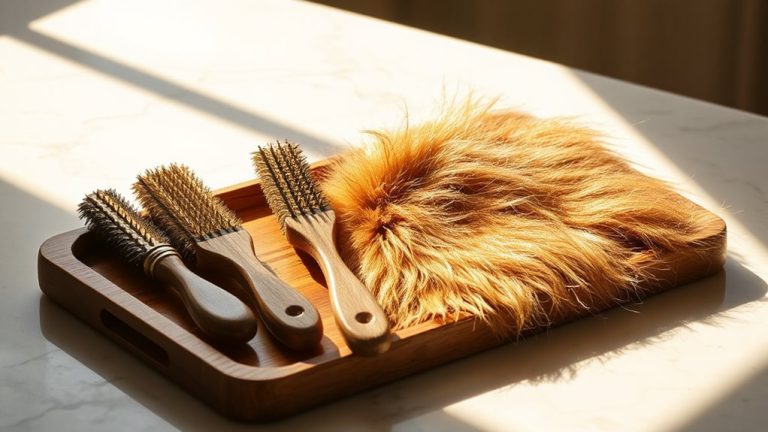
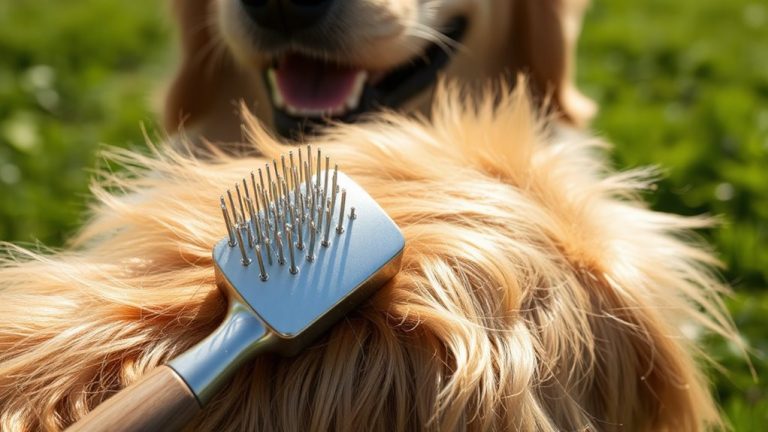
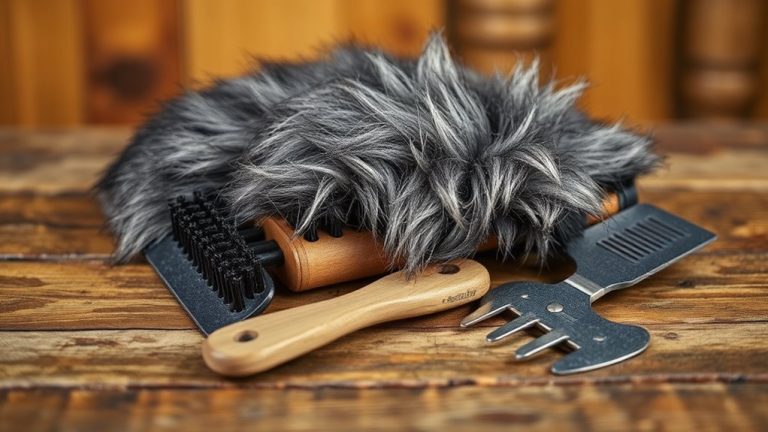
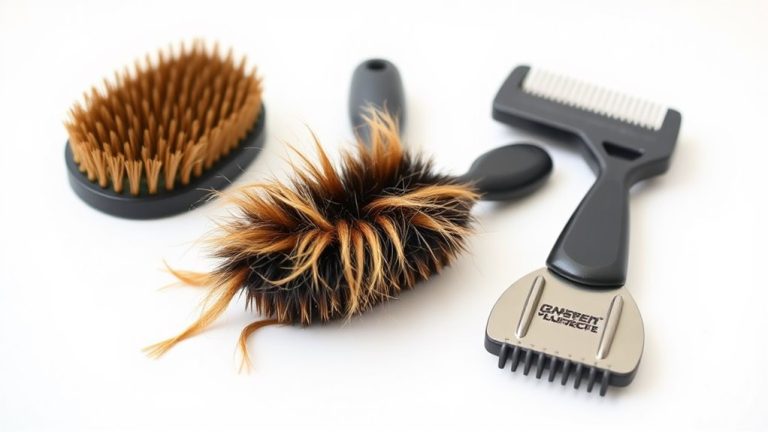
A good emollient spray is a must-have in your sebaceous adenitis care routine, and using it 2–3 times a week between baths helps keep your dog’s skin hydrated and replaces the natural oils their body isn’t producing. Look for sprays with humectants and natural oils to mimic lost sebum and support coat health. Daily brushing with a soft boar hair brush spreads the emollient spray evenly, boosts circulation, and gently lifts debris. Use a flea comb to tackle stubborn follicular casting, especially in long-haired breeds like Poodles. For extra support, apply a diluted Listerine/Sea Breeze/water spray (equal parts) once weekly as an antiseptic, then follow immediately with an oil-based mist to prevent dryness. Consistent brushing and emollient sprays reduce scaling, improve texture, and create better conditions for possible hair regrowth over time.
Monitor for Infection in Sebaceous Adenitis Dogs
You’re already supporting your dog’s skin with regular emollient sprays and brushing, but keeping a close eye on infection signs is just as much a part of daily care. Dogs with sebaceous adenitis often develop weakened skin barriers, making them prone to bacterial and yeast infections. Watch for redness, crusts, pustules, or a foul odor-especially along the back or in skin folds-as these could signal infection. At the first sign, your vet may perform cytology to identify Staphylococcus pseudintermedius or Malassezia overgrowth. Catching it early means faster treatment. Using antiseptic shampoos like Douxo or Nizoral twice weekly helps lower microbial load and prevent flare-ups. These contain chlorhexidine or miconazole, which target both bacteria and yeast. Consistent monitoring and prevention keep your dog more comfortable and reduce complications tied to chronic inflammation in sebaceous adenitis.
Adjust Your Routine Based on Skin Response
While every dog’s skin reacts differently to treatment, staying flexible with your grooming schedule can make a real difference in managing sebaceous adenitis effectively. Watch for changes in scaling or redness weekly-if they worsen, increase shampoo frequency from every two weeks to twice a week. If your dog’s skin feels too soft or looks macerated, cut oil soak time from 6 hours down to 2 to prevent excess moisture. Switch from a sulfur-based shampoo to a gentler option like Equiderma if dryness or irritation flares up. Here’s how to adapt key steps:
| Adjustment | Reason |
|---|---|
| Increase shampoo to twice weekly | Active sebaceous flare-ups |
| Reduce oil soak to 2 hours | Skin maceration |
| Use moisturizing shampoo | Skin dryness or irritation |
Boost propylene glycol spray to daily if flaking returns, and shorten conditioner time to 10 minutes if greasy residue or yeast appears-this keeps oil and product buildup in check.
On a final note
You’ve got this-stick to medicated shampoos with chlorhexidine and benzoyl peroxide, bathe every 3–5 days for 10 minutes to let ingredients penetrate, then follow with a humectant-rich rinse. Use emollient sprays like Douxo Soothe or Allerderm SP Spray daily, brush gently with a boar bristle brush to spread oils, and check weekly for redness or odor. Adjust frequency if skin flakes improve or irritation flares-consistency and observation keep your dog’s coat healthier and comfort higher.