Step-by-Step Guide to Cleaning a Dog’s Groin Area After Outdoor Play
After outdoor play, clean your dog’s groin with lukewarm water and a mild, pet-safe shampoo diluted to half strength. Gently massage the area in circular motions, avoiding sensitive openings, then rinse thoroughly. Use pet-safe wipes for quick touch-ups, and always dry completely with a soft microfiber towel to prevent moisture buildup. Skip human shampoo-it disrupts pH balance-and never scrub aggressively. Spot-check for redness or swelling afterward; persistent irritation means it’s time to see your vet for a closer look.
We are supported by our audience. When you purchase through links on our site, we may earn an affiliate commission, at no extra cost for you. Learn more. Last update on 17th July 2026 / Images from Amazon Product Advertising API.
Notable Insights
- Gently wet your dog’s groin area with lukewarm water, avoiding sensitive openings.
- Apply diluted, pet-safe shampoo using soft circular motions to lift dirt and allergens.
- Rinse thoroughly with lukewarm water to remove all shampoo and prevent irritation.
- Pat the area dry with a soft microfiber towel to eliminate moisture that can promote infection.
- Inspect for redness, swelling, or irritation after cleaning, especially in skin folds.
Why You Should Clean Your Dog’s Groin After Outdoor Play?
While your dog’s playtime outside is great for their health and happiness, it also exposes their sensitive groin area to dirt, irritants, and potential infections, so cleaning it afterward is a simple but essential step. Your dog’s groin can trap moisture, debris, and allergens, especially if they have long fur, which increases the risk of skin irritation and matting. Bacteria and yeast thrive in this warm, damp environment, potentially leading to odor and infection. Outdoor exposure also brings parasites like ticks and mites, which often hide in the groin. Urine, fecal matter, or chemicals on grass further compromise hygiene. Regularly cleaning the area removes these hazards, reducing discomfort and preventing health issues. Proper groin care supports overall cleanliness, helps avoid painful skin lesions, and keeps your dog feeling their best-critical for active dogs who spend time on varied terrain or in allergen-heavy areas.
Supplies for Cleaning Your Dog’s Groin Area
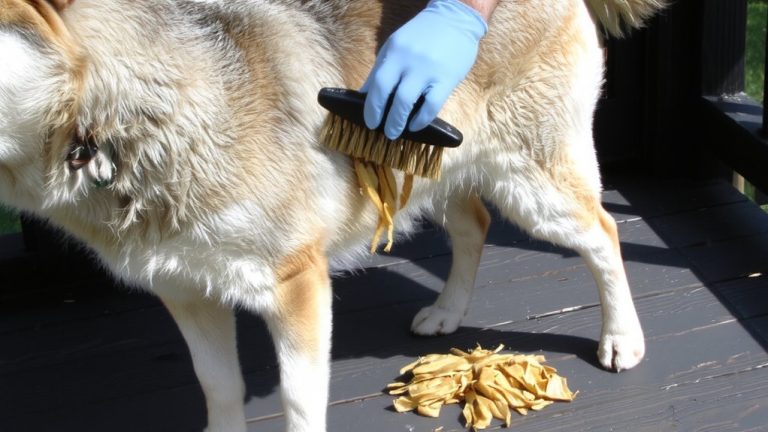
You’ve seen how outdoor play exposes your dog’s groin to dirt, moisture, and irritants, setting the stage for discomfort and possible infection, so having the right supplies ready makes cleaning quick, safe, and effective. Use a mild shampoo or dog shampoo made for sensitive skin to avoid reactions. Keep warm water on hand to rinse thoroughly with warm water, loosening grime without shocking your pet. Stock up on pet-safe wipes for quick wipe-downs before washing. Have non-slip mats ready for safety, especially in bathtubs. Wear grooming gloves to grip fur and remove debris. Use soft microfiber towels-clean and absorbent-to pat the area dry, as dampness can irritate. These supplies protect your dog’s delicate groin, ensuring comfort and cleanliness after every outdoor adventure.
Step-by-Step: How to Clean Your Dog’s Groin Safely
A little attention to detail goes a long way when cleaning your dog’s groin safely, especially since this sensitive area traps dirt and moisture after outdoor play. Start by wetting the area with lukewarm water, being careful not to push water into sensitive openings. Use a mild pet-safe shampoo diluted in water to avoid irritating your dog’s sensitive skin. Gently massage the solution into the fur and skin around the groin using soft, circular motions to lift away dirt and allergens. Then, rinse completely with lukewarm water to leave no shampoo residue, which can cause itching or attract more grime. Finally, dry thoroughly with a clean towel to prevent infection caused by trapped moisture. Keeping the area clean and dry supports long-term hygiene and comfort, especially for dogs active in grassy or muddy environments.
Common Mistakes to Avoid When Cleaning Sensitive Areas
Why do so many pet owners end up causing more harm than good when cleaning their dog’s groin? Because they use human shampoo, which disrupts dogs’ natural pH balance and leads to skin irritation. Always use a shampoo specifically designed for dogs to protect their sensitive skin. Never scrub aggressively-instead, gently massage the shampoo to lift dirt without trauma. Avoid getting water or inserting anything into openings, as this can damage delicate tissues. Rinse thoroughly, since leftover shampoo can cause infections by trapping moisture and bacteria. Finally, make certain your dog is dry completely before letting them roam, especially in breeds prone to skin folds. Skipping drying raises the risk of intertrigo, an inflammation from dampness and friction. Be thorough, gentle, and informed-your dog’s comfort and health depend on it.
Check for Redness or Swelling After Cleaning
What should you look for once you’ve finished cleaning your dog’s groin area? You should check for redness, swelling, or signs of skin irritation. Inspect skin closely in a well-lit area, gently parting the fur to see beneath. Normal skin appears pale pink and smooth-avoid dismissing mild redness, especially if warmth or puffiness is present. Swelling in the groin area could indicate lymph node enlargement, a hernia, or reaction to an insect bite. Moisture or trapped debris in skin folds can worsen inflammation. Take note of any persistent redness lasting beyond 24 hours, or if your dog shows discomfort. Early detection helps prevent complications. If you observe significant swelling, discharge, or suspect lymph node enlargement, schedule a veterinary evaluation promptly. Careful inspection after cleaning guarantees your dog stays healthy and comfortable post-outdoor play.
When to Call the Vet: Signs of Infection
How quickly should you act if your dog’s groin area shows more than just mild irritation after cleaning? Fast-persistent redness, swelling, or warmth can be early signs of infection. If you notice pus, discharge, or a foul odor despite proper cleaning, seek veterinary care right away. Excessive licking or chewing at the site often means discomfort or pain. Look for abscesses, raised lumps, or skin lesions that don’t improve within 24–48 hours. These could signal deeper infection. Also watch for fever, lethargy, or appetite loss-these systemic signs mean it’s time to call the vet immediately. Early intervention prevents complications. Your dog’s health depends on your vigilance, so don’t wait. When in doubt, a professional evaluation guarantees accurate diagnosis and treatment, keeping your pup safe, comfortable, and ready for their next outdoor adventure.
On a final note
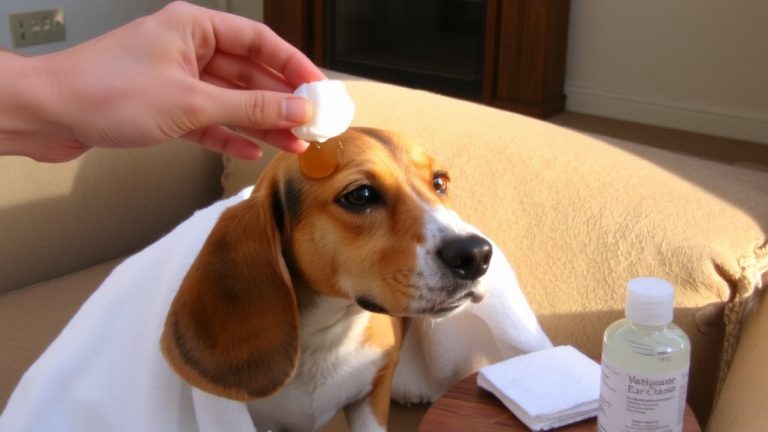
You’ve got this: clean your dog’s groin after outdoor play using a vet-approved wipes or mild antiseptic solution, like Vetericyn, gently patting dry with a soft microfiber towel. Check for redness or swelling daily, especially in thick-coated breeds. Avoid human products, and never scrub-use light, circular motions. If you spot persistent irritation, discharge, or odor, call your vet. Consistent cleaning prevents infections and keeps your pup comfortable, healthy, and ready for more adventures.