How to Prevent Ear Mites From Spreading in a Multi-Pet Household
Treat all your pets monthly with a vet-approved preventative like Revolution® or Advantage Multi™, even if they show no symptoms. Otodectes cynotis spreads fast through direct contact, and mites survive up to 18 days off-host. Wash bedding weekly in hot water (130°F), disinfect surfaces daily, and vacuum thoroughly. Isolate infected cats during treatment using separate bowls and tools. Check ears weekly and recheck with your vet 2–4 weeks post-treatment-consistency keeps every pet protected, and there’s more to get right.
We are supported by our audience. When you purchase through links on our site, we may earn an affiliate commission, at no extra cost for you. Learn more. Last update on 19th July 2026 / Images from Amazon Product Advertising API.
Notable Insights
- Treat all pets in the home simultaneously, even if asymptomatic, to prevent transmission of highly contagious ear mites.
- Wash pet bedding weekly in hot water and disinfect surfaces daily to eliminate mites in the environment.
- Isolate infected animals during treatment using separate food bowls, bedding, and grooming tools.
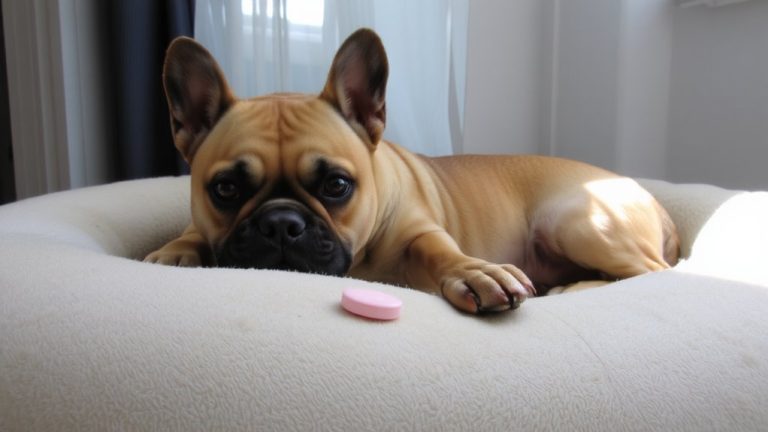
- Use monthly vet-approved preventatives like Revolution® or Advantage Multi™ on all pets to break reinfestation cycles.
- Monitor all pets weekly for ear debris or scratching and schedule a vet recheck 2–4 weeks post-treatment.
Treat All Pets for Ear Mites: Even Without Symptoms
Even if your pets seem perfectly healthy, you’ll want to treat every animal in your home for ear mites-because one silent carrier can keep the cycle going, no matter how clean your house looks. Ear mites, especially Otodectes cynotis, are highly contagious and spread through direct contact, so treating only the itchy ones leaves others at risk. Cats, dogs, and small mammals like rabbits or ferrets can all become infested, even without symptoms. That’s why vets recommend you treat ear mites in all pets simultaneously. Monthly preventatives like Revolution® (selamectin) or Advantage Multi™ kill ear mites effectively and help break the reinfestation loop. Skipping asymptomatic pets? Not worth it-mites are highly contagious, and untreated carriers often reignite outbreaks. Using these vet-approved treatments consistently means you treat ear mites thoroughly, protect all pets, and stop secondary infections before they start.
Clean Bedding, Toys, and Surfaces to Kill Hidden Mites
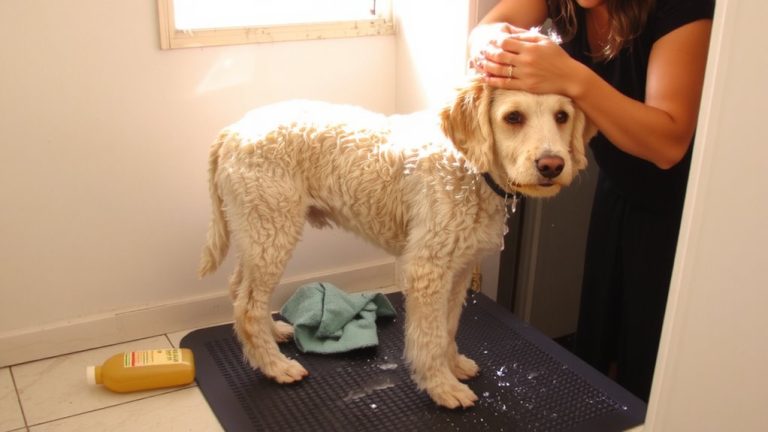
Since ear mites can hide in your pet’s environment just as easily as on their body, you’ve got to clean thoroughly to break the cycle for good. Clean bedding weekly in hot water (at least 130°F) to kill mites and eggs. Disinfect hard surfaces like floors and furniture using a pet-safe cleaner to eliminate mites lurking in crevices. For toys and grooming tools, soak plastic items in a diluted bleach solution (1:32 bleach to water) for 10 minutes. Vacuum carpets and upholstery daily, then seal and dispose of the contents immediately. Avoid sharing towels or brushes-mites can survive off-host up to 18 days. Consistently clean bedding, toys, and surfaces to protect all your pets.
| Item | Cleaning Method |
|---|---|
| Bedding | Hot water wash, weekly |
| Toys | Bleach soak (1:32), 10 minutes |
| Surfaces | Pet-safe disinfectant, daily wipe |
Isolate Infected Cats During Treatment
When one of your cats picks up ear mites, keeping them separate from your other pets isn’t just helpful-it’s essential to stop the spread. Ear mites, specifically *Otodectes cynotis*, are highly contagious arachnids that transfer quickly through direct contact. To effectively isolate infected cats, place them in a separate room with their own food bowls, bedding, and grooming tools. This reduces environmental contamination and lowers reinfection risk. Avoid letting pets share sleeping areas or groom each other. Since mites can hitchhike on clothes or hands, wash your hands and change outfits after handling the infected cat. Continue to isolate infected cats until your vet confirms the mites are gone, usually after one to two weeks of antiparasitic treatment. Consistent isolation prevents outbreaks and protects your entire pet household.
Use Monthly Preventatives to Stop Future Infestations
You’ll often find the best defense against ear mites is a simple monthly dose of a vet-approved preventative like Revolution® (selamectin) or Advantage Multi™ (imidacloprid/moxidectin), both of which kill Otodectes cynotis mites after just one application, with studies showing over 90% efficacy when used correctly. These monthly preventatives don’t just stop ear mites-they also control fleas, ticks, and heartworms, giving your pets broad-spectrum protection. Since Otodectes cynotis spreads easily, every pet in your home should be on a preventative, even if they seem healthy. Consistent, year-round use is key, especially for cats with outdoor access. Skipping doses can leave gaps in defense, raising reinfestation risks. Owners report fewer vet visits and healthier coats when sticking to the schedule. With accurate dosing and monthly application, you’re not just treating-you’re preventing. Keep all pets protected, and Otodectes cynotis won’t stand a chance.
Watch for Signs of Mite Return
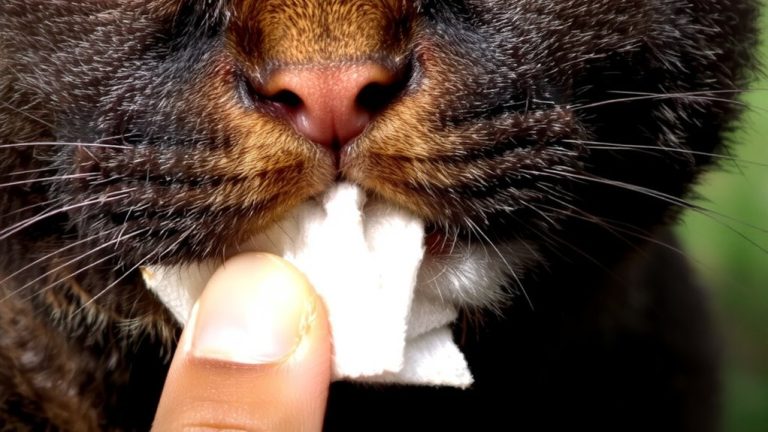
Even after completing treatment, staying alert can save your pets from a repeat outbreak, because ear mites often come back if a few eggs survive. You should monitor pets daily, checking for Signs of Ear Mites like dark, coffee ground-like debris in the ears. Watch for signs of mite return such as persistent head shaking or frequent ear scratching in cats and dogs-these behaviors are early red flags. Examine ears weekly using an otoscope or bright light to spot redness, inflammation, or fresh discharge. Schedule a vet recheck 2–4 weeks post-treatment to catch any rebound in Otodectes cynotis mites. If one pet shows symptoms, get them all reevaluated fast-ear mites spread quickly. Consistent daily observation and prompt action keep your multi-pet household mite-free, healthy, and comfortable long-term.
On a final note
Treat every pet, even if they seem fine-mites spread fast. Clean bedding weekly with hot water, wash toys, and wipe surfaces with pet-safe disinfectant. Isolate infected cats for 7–10 days during treatment using vet-approved drops like Revolution or Advantage Multi. Use monthly preventatives year-round. Check ears every two weeks; dark debris or scratching means recheck fast. Real testers saw results in 14 days with consistent care-staying ahead keeps all pets comfortable, healthy, and mite-free.