Preparing Your Dog for Veterinary Exams Using Simulated Handling Drills
Start simulated vet exams early using pea-sized high-value treats like freeze-dried liver, touching low-sensitivity areas first-head, ears-then progressing to paws, tail, and abdomen. Use a non-slip mat on a waist-high coffee table to mimic clinic tables, handling for just seconds, then rewarding immediately. Repeat several times weekly, watching for lip licking or yawning. Gradually increase duration and height, building confidence. You’re not done yet-there’s a smarter way to prepare.
We are supported by our audience. When you purchase through links on our site, we may earn an affiliate commission, at no extra cost for you. Learn more. Last update on 19th July 2026 / Images from Amazon Product Advertising API.
Notable Insights
- Conduct brief, positive simulated vet exams multiple times weekly using pea-sized high-value treats.
- Gradually desensitize your dog by touching low-sensitivity areas before progressing to paws, tail, and abdomen.
- Use a non-slip mat on an elevated surface to mimic a clinic exam table during home practice.
- Watch for stress signals like lip licking or yawning, and end sessions before discomfort escalates.
- Schedule regular “happy visits” to Fear Free® or Low Stress Handling® certified clinics with no medical procedures.
Train Your Dog for Vet Exams Early
While your puppy is still small and easy to lift, start simulating vet exams to build comfort with handling-this early practice sets the foundation for stress-free veterinary visits later on. Training your dog early helps prepare your dog for essential care, making future vet visits smoother and less stressful. Use pea-sized high-value treats during brief, positive sessions several times a week to create good associations. Begin by touching low-sensitivity areas like the head and ears, then slowly work toward paws, tail, and abdomen. Place your dog on a non-slip mat atop an elevated surface-like a coffee table-to mimic clinic exam tables. Following the Happy Handling Worksheet guarantees you systematically desensitize your dog to mouth, ear, and eye checks. This methodical approach helps your dog to be comfortable during handling, supporting lifelong health and cooperation during veterinary visits.
Simulate a Real Vet Exam at Home
If you want your dog to stay calm during veterinary visits, start by simulating a real vet exam at home using a structured, reward-based approach. Use a non-slip mat on a waist-high table to mimic an exam table, helping small dogs get used to vet clinic height. Gently touch your dog’s paws, ears, mouth, tail, and abdomen for just a few seconds, then immediately give a pea-sized, high-value treat to build positive associations. Repeat several times a week, especially during puppyhood, to establish lifelong comfort with veterinary handling. Follow the Happy Handling Worksheet to systematically desensitize your dog to lip lifting, eye touching, and spine checks. Keep sessions short and upbeat. Watch for stress signals like yawning or lip licking-pause and adjust if needed. This consistent practice helps dogs stay relaxed during real vet exams, making care easier and safer for everyone involved.
Make Vet Clinic Visits Stress-Free
Since your dog’s comfort at the vet starts long before the exam room, setting up stress-free clinic visits begins with intentional, positive experiences. Schedule “happy visits” several times a year, where your dog gets a treat and praise without any medical procedures-this makes future visits less stressful. Pair those trips with a Fear Free® or Low Stress Handling® certified clinic, where minimal restraint and calming techniques reduce your dog’s anxiety. At home, your regular simulated vet exams-brief touches to paws, ears, and mouth-followed by a pea-sized treat build trust. Watch for signs of stress like lip licking or panting, and adjust handling with your vet’s help. These small efforts add up, creating a routine your dog accepts, even enjoys. A few minutes of prep work and the right environment can turn intimidating appointments into manageable moments, keeping your dog calm and confident.
Build Confidence on Exam Tables
Getting your dog comfortable on an exam table doesn’t have to be a struggle, and starting early with the right setup makes all the difference. Begin training on the floor using a non-slip dog bed, then slowly raise the surface to waist height to mimic the table used during vet visits. Use a sturdy coffee table or counter with a non-slip mat for small dogs, and always make sure your dog feels secure. Encourage each step by touch with a treat, placing pea-sized high-value rewards on the mat. This positive reinforcement helps shape a calm emotional response. Practice multiple times weekly over several weeks for lasting confidence.
| Week | Height | Treat Reward |
|---|---|---|
| 1 | Floor | Yes |
| 2 | Low | Yes |
| 3 | Mid | Yes |
| 4 | Waist | Yes |
| 5+ | Table | Yes |
Practice Calm Handling and Restraint
While your dog stands beside you, gently wrap one arm around their neck and use the other to support their back, just as a veterinary technician would during an exam, then immediately offer a pea-sized high-value treat like freeze-dried liver or cheese. This teaches your dog to accept restraint while building positive associations. Gradually increase the duration up to two minutes, ending before signs of stress-like lip licking or tension-appear. Practice several times a week so your dog learns to stay calm during handling of sensitive body parts. Always use your dog’s favorite treats to reinforce cooperation. If your dog shows lip lifting, growling, or tension, stop and consult a veterinary behaviorist. Consistent, gentle repetition helps your dog learn that restraint isn’t threatening, making future exams smoother and safer for everyone involved.
Bring Calming Tools to Appointment Day
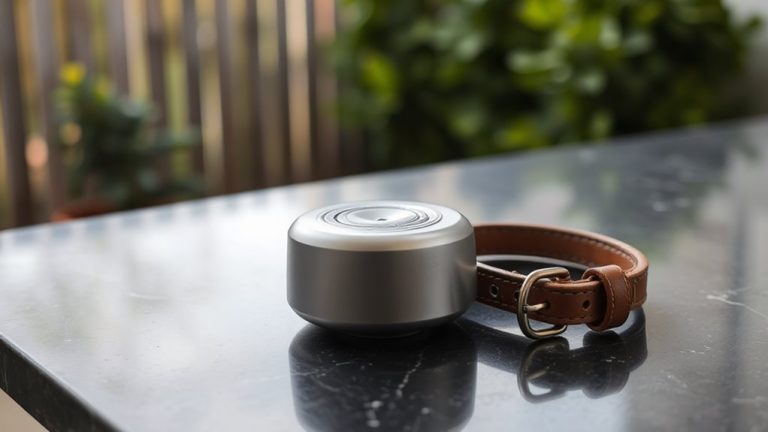
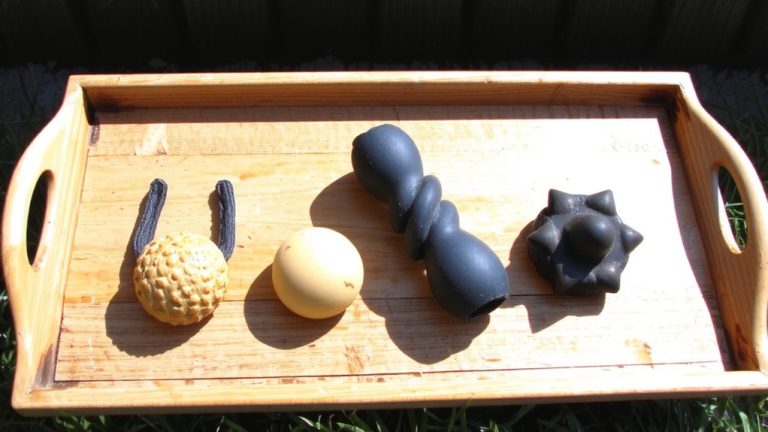
A well-prepared go-bag makes all the difference when heading to the vet. When you bring calming tools, you’re not just easing the trip-you’re reducing your dog’s fear and helping them stay calm amid unfamiliar sounds and smells. Before taking your dog to the vet, pack pea-sized high-value treats from home to encourage eating and reinforce positive behavior. Use a Kong or LickiMat for distraction during injections or exams. Add an Adaptil collar or spray-its calming pheromones can ease anxiety by up to 80%. Give vet-approved treats like Composure Chews 30–60 minutes beforehand. Schedule visits during quiet mid-morning hours to minimize stress. Always talk to your vet about what works best.
| Tool | Purpose | Real-World Benefit |
|---|---|---|
| High-value treats | Reinforce calm behavior | Encourages eating, signals safety |
| LickiMat | Mental distraction | Reduces focus on discomfort |
| Adaptil spray | Calming scent | Mimics natural pheromones |
| Composure Chews | Anxiety support | Eases situational stress |
| Appointment timing | Avoid crowds | Less noise, fewer triggers |
On a final note
You’re building real confidence when you practice vet handling at home, using short, positive sessions with treats like Zuke’s Mini Naturals, just 3–5 calories each. Touch paws, ears, and tail daily, so restraint feels normal. Use a non-slip mat on a raised surface to mimic the exam table. Bring a ThunderShirt if anxiety flares, and keep walks calm before appointments. Consistency, patience, and familiar tools cut stress, making exams smoother, safer, and faster for everyone.