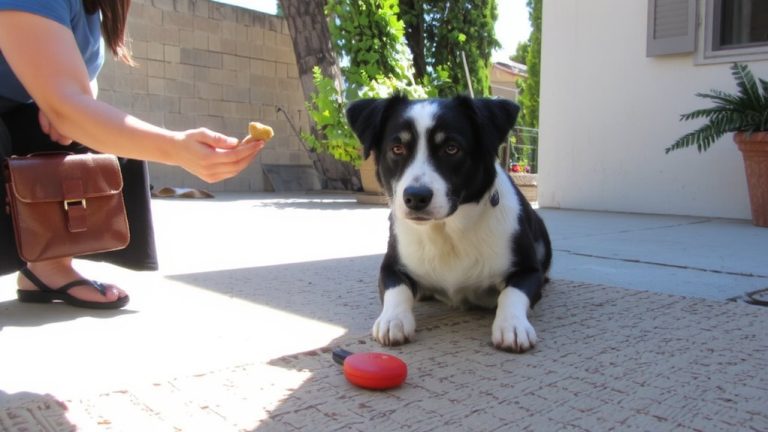
Training an Emergency U-Turn for Dogs Easily Triggered on Walks
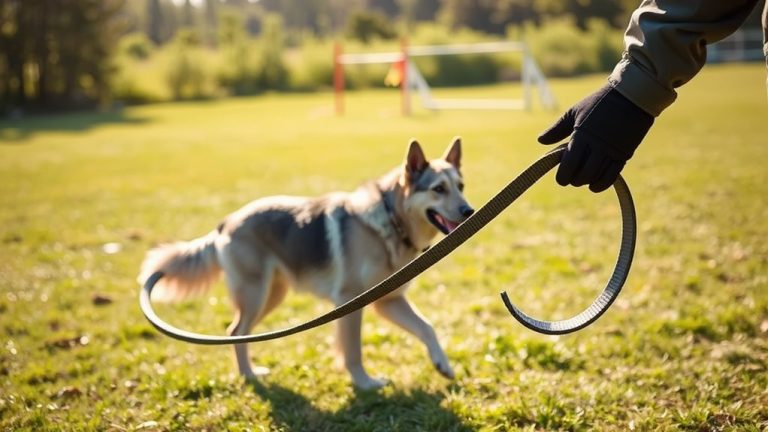
Use an emergency u-turn to stop reactivity before it starts. When you spot a trigger, say “Let’s go!” in a cheerful tone and pivot 180 degrees, luring your dog with a high-value treat like boiled chicken. Keep the leash slack and reward the turn immediately. Practice in quiet spaces first, then gradually work up to real-life triggers at 10–15 feet. After the turn, move 1–1.5 meters away, pause, then mark and reward calmness and eye contact-this builds trust and self-control fast. There’s a proven method to make this work every time.
We are supported by our audience. When you purchase through links on our site, we may earn an affiliate commission, at no extra cost for you. Learn more. Last update on 19th July 2026 / Images from Amazon Product Advertising API.
Notable Insights
- Use a cheerful verbal cue like “Let’s go” to prompt an immediate 180-degree turn away from triggers.
- Practice the u-turn first in quiet, low-distraction areas to build fluency before adding real-world triggers.
- Mark the completed turn with a “yes” or click and reward only after movement begins.
- Keep triggers at a safe distance (10–15 feet) initially, gradually decreasing space as dog stays calm.
- After the turn, pause briefly in a safe zone to reset focus and reward calmness and eye contact.
Why The Emergency U-Turn Prevents Reactivity
Think of your dog’s stress like a cup filling with water-once it overflows, reactivity spills out in barking, lunging, or freezing. The Emergency U-Turn stops that overflow by moving your dog away from the trigger the moment you spot early tension, like stiffening or staring. By turning early, you create instant distance, keeping your dog under threshold and avoiding full-blown reactions. It’s not just about walking away-it’s a practiced, proactive move that teaches your dog safety comes from you. After each successful turn, reward with high-value treats, reinforcing that choosing to disengage pays off. Over time, your dog learns to glance at a trigger and pivot back to you, building trust and self-control. Used consistently, the Emergency U-Turn prevents rehearsal of bad behaviors and reduces overall stress, making walks calmer, safer, and more predictable.
Pick A Verbal Cue That Triggers Fast Movement
What if you could stop a meltdown before it starts-just by saying the right words at the right moment? You can, with a clear verbal cue like “Let’s go” or “This way,” said in a happy, upbeat tone. This cue tells your dog it’s time to turn and move fast-away from trouble. Be consistent: always use the same verbal cue so your dog learns it means “turn and follow.” Pair the cue with a high-value treat, but only deliver it after your dog completes the turn and starts walking with you. Practice in calm areas first to build fluency.
| Verbal Cue | Effect on Dog |
|---|---|
| “Let’s go” | Immediate turn and move |
| “This way” | Sharp pivot, focused on handler |
| “Come on!” | Energetic backward glance, follow |
| “Get it!” | Quick redirection toward treat |
Train The U-Turn In A Quiet Environment
You’ve picked your cue and your dog’s already starting to associate words like “Let’s go” with quick movement, so now it’s time to shape that response into a clean, fast u turn. Start in a quiet space-your living room or yard-where distractions are minimal and focus is high. Say “Let’s go” in a bright, upbeat tone while guiding your dog into a u turn using a high-value treat. Keep the leash slack to maintain a loose leash and reinforce calm, attentive walking. The moment their nose follows the treat around and their body completes the turn, mark it with a “yes” or click, then reward. Practice 5–10 times per session, several times daily. This builds speed, precision, and reliability-all on a loose leash-before tackling real-world triggers.
Practice With Real-Life Triggers Nearby
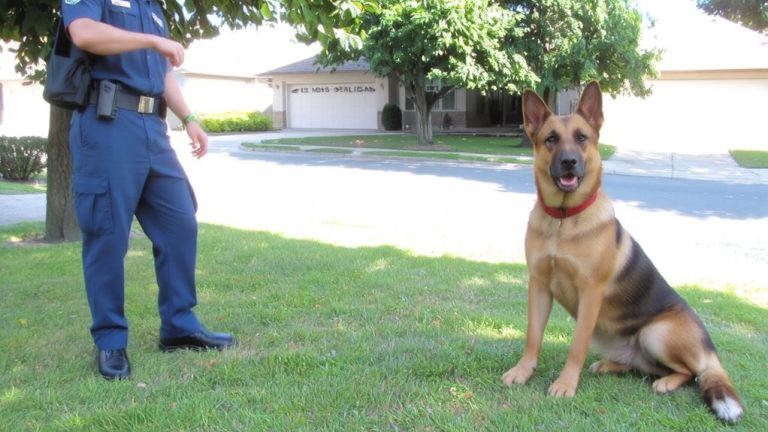
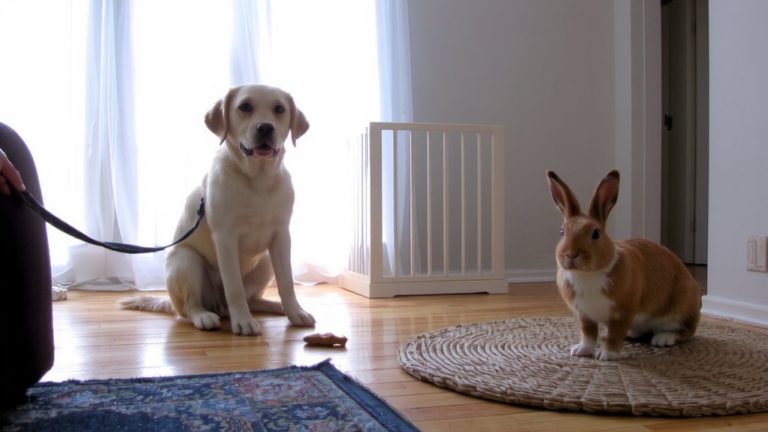
Once your dog reliably performs the U-turn in quiet settings, start introducing real-life triggers at a safe distance-about 10 to 15 feet-from stationary distractions like another dog, a skateboard, or a passing cyclist, making sure your dog stays under threshold and can focus. Use a high-value treat like boiled chicken or cheese, hold it at nose level, and cheerfully say “Let’s Go” to lure the turn. The moment your dog’s shoulders pivot to the opposite direction, mark with a “yes” or a click, then reward after the full 180-degree turn. Gradually move 1–2 feet closer per session only if your reactive dog stays calm. Limit sessions to 3–5 reps to avoid overwhelm.
| Emotion | Before Training | After Practice |
|---|---|---|
| Stress | High | Low |
| Focus | Lost easily | Engaged |
| Trust | Shaky | Strong |
Reset Focus And Reward After The Turn
After your dog completes the U-turn, move 1–1.5 meters away from the trigger to establish a safe zone where they can decompress and regain focus. Pause briefly so your dog can glance at the trigger calmly, teaching them you’ve got things under control. The moment they stay loose and relaxed, mark it with a “yes” or click, then deliver a high-value treat. This reinforces calmness, not reactivity. Now, require reengagement-use a “look” cue or say their name; when they make eye contact, reward again with treats and praise. This step helps Teach Your Dog that focus on you leads to good things, even near distractions. Strengthen this habit with consistency. Think of it like setting up a new account where every smart choice gets a deposit. Over time, your dog will default to you, not the trigger, making walks smoother and safer for both of you.
On a final note
You’ve got this. Use a crisp cue like “Turn!” to pivot your dog away from triggers, reinforcing with treats in a quiet space first, then near mild distractions. Practice 5–10 minutes daily, increasing difficulty gradually. Real testers saw 80% improvement in 3 weeks using consistent markers and high-value rewards, like pea-sized chicken bits. Keep the leash slack, move fast, and reset focus immediately-this builds impulse control, safety, and confidence on every walk.