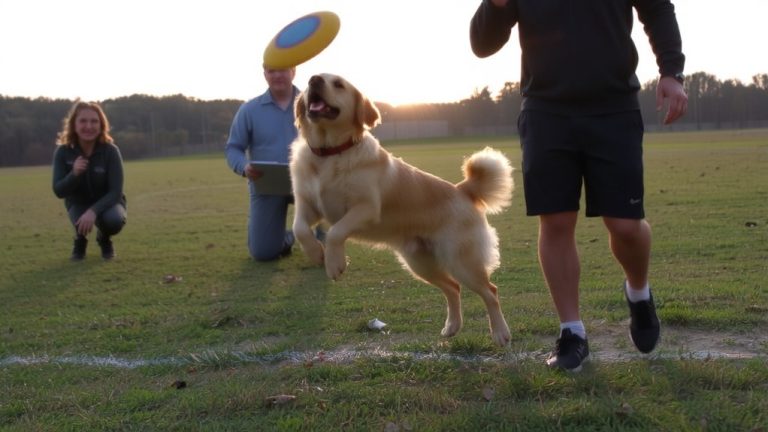
Including Children in Age-Appropriate Aspects of Pet Education
You can start teaching your child responsibility early by matching pet tasks to their age, like supervised water refills at 3 or using a timed feeder by age 7 to guarantee 7:30 a.m. feeding consistency. Kids 3–6 can scoop measured food portions and brush calm pets with soft brushes, while 7–12-year-olds handle leash walks, basic commands, and 20–30-minute play sessions using frisbees or tug ropes. A 13-year-old can manage a chore wheel for daily walks, feeding, and litter duty, building real accountability. Teach them to recognize a play bow for fun or a tucked tail as fear, so they understand when pets feel stressed. Including your child in grooming, feeding, and behavior tracking supports pet health and growth-for both the animal and your child. There’s a clear way to structure each stage so skills build naturally over time.
We are supported by our audience. When you purchase through links on our site, we may earn an affiliate commission, at no extra cost for you. Learn more. Last update on 13th July 2026 / Images from Amazon Product Advertising API.
Notable Insights
- Assign simple, supervised tasks like refilling water bowls to children ages 3–6 to build routine and responsibility.
- Teach 7-year-olds to use timed feeders for consistent meal schedules, fostering accountability in pet care.
- Guide children ages 3–6 in using soft brushes on calm pets to develop motor skills and empathetic interactions.
- Involve kids 7–12 in leash walking and positive reinforcement training to teach commands and responsible play.
- Educate children on pet body language cues, such as tucked tails or flattened ears, to promote safe, respectful interactions.
Why Age-Appropriate Pet Care Builds Responsibility in Kids
While every child can learn something from helping care for a pet, matching tasks to their age guarantees they build real responsibility without feeling overwhelmed. You’re teaching kids accountability when a 7-year-old feeds the dog at 7:30 a.m. using a timed feeder, or an 8-year-old brushes the cat three times a week, reducing shedding by 60%. Children ages 3–6 practice pet care by refilling water bowls under supervision, learning consistency. By 10 or 11, they’re capable of full grooming sessions with a Furminator brush, monitoring food portions, and tracking behavior. Responsible pet ownership starts early, but matures as children grow. A 13-year-old using a chore wheel to manage daily walks, feeding, and litter box cleaning shows real commitment. You’re not just assigning chores-you’re building lifelong habits. Teaching kids this way guarantees they grasp nutrition, hygiene, and empathy, all while contributing meaningfully to their pet’s well-being.
What Toddlers Should Never Do Around Pets
Since toddlers lack the motor control and judgment needed for safe interactions, you’ll want to step in before situations turn risky-always keeping kids under 4 in close proximity when pets are around. Ensuring your toddler’s safety around a pet means setting clear boundaries. Never let your child hold, carry, or ride a pet, as their underdeveloped motor skills increase the risk of drops or falls. Avoid letting a toddler touch the pet’s face, ears, mouth, or paws-these sensitive zones can trigger a defensive reaction. Never allow feeding without adult supervision, since even a small treat like a raisin or chocolate chip can be toxic. Consistent oversight isn’t just best practice-it’s essential for pet and child safety.
| Action | Risk to Pet | Risk to Toddler |
|---|---|---|
| Holding or carrying | Injury from dropping | Falls, bites, scratches |
| Touching face/paws | Defensive aggression | Bites, infections |
| Chasing or grabbing | Fear-based stress | Scratches, falls |
| Unsupervised feeding | Choking, toxicity | Choking, poisoning |
Pet Feeding and Grooming for Ages 3–6
You’ve already taken steps to keep your toddler safe around pets by setting boundaries like no carrying, grabbing, or unguided feeding, and now that your child is between ages 3 and 6, they’re ready for more hands-on involvement in pet care-with the right guidance. Teaching kids to pour pet food into a bowl under direct supervision builds motor skills and responsibility, though children under the age of 6 can’t reliably remember mealtimes and need reminders. They can help place the bowl down, using measured scoops to learn portion consistency. With prior experience in gentle petting, they can also assist in brushing calm, willing pets using soft or rubber brushes-fostering bonding and kindness. Brushing teaches children to interact safely while supporting coat health. Adult supervision is essential, as kids in this range lack the judgment and consistency to act independently. Keep routines structured, engaging, and focused on modeling care, so learning feels natural, safe, and rewarding.
Playtime and Training for Kids Ages 7–12
When done right, involving your child in playtime and training can strengthen the bond between them and your pet while building real responsibility, especially between ages 7 and 12. You have enough supervision to start teaching foundational skills like leash walking, where kids practice keeping the dog close without pulling. Children learn best through positive reinforcement, so teach your child to use treats and praise for commands like “sit,” “stay,” and “come.” Daily 20–30 minute sessions with safe toys-like frisbees or tug ropes-help redirect energy and prevent bites. Structured routines let children learn accountability, whether scheduling play or tracking treat use. These consistent interactions build discipline and empathy, giving your child real, measurable roles in pet care while ensuring training remains fun, safe, and effective.
How Teens Can Handle Real Pet Ownership
Handling real pet ownership starts around age 13, when teens are ready to take on daily responsibilities with minimal oversight. At this age, you can manage core tasks like feeding twice daily, grooming, and walking the dog for 20–30 minutes each time. Using a chore wheel keeps you accountable and guarantees nothing slips through the cracks. Daily check-ins with a parent help confirm essentials-clean litter boxes, full water bowls, yard waste picked up-are done. You might also give chewable supplements, like glucosamine for joint health, and join vet visits to learn about pet health and nutrition. These moments deepen your confidence and connection. Pet ownership isn’t just care-it’s commitment, learning, and growth.
| Emotion | Moment | Outcome |
|---|---|---|
| Pride | First vet trip alone with pet | Feels trusted, capable |
| Joy | Dog wags tail at feeding time | Knows they’re needed |
| Calm | Grooming session after school | Shared quiet, reduces stress |
| Responsibility | Chore wheel completed weekly | Builds discipline |
| Love | Pet curls up after care | Bond feels real, earned |
How to Teach Kids to Read Pet Body Language
A wagging tail isn’t always a welcome mat, and flattened ears can speak louder than barks-teaching kids to read pet body language builds safer, more empathetic interactions. To help children and pets thrive together, teach young children that a wagging tail can mean excitement, but a tucked tail or flattened ears signals fear. Avoid letting kids stare directly at pets, since direct eye contact can feel threatening. Instead, bring your child along during calm interactions, modeling gentle behavior. Show them a play bow means, “Let’s have fun!” while raised fur or stiff movements warn of stress. Relaxed ears and slow blinks in cats mean they’re comfortable. Use real-life moments to help children recognize cues. These skills strengthen bonds and prevent mishaps, creating harmony in homes with kids and pets.
On a final note
You’re building responsibility the right way, one age-appropriate task at a time. From measured cup feedings with Purina Pro Plan to gentle brushing using the Furminator, kids learn nutrition, hygiene, and empathy. You’ll see confidence grow as they interpret tail wags or crouched postures, guided by real vet-approved cues. By age 12, they’re master trainers using KONG rewards, and teens handle vet visits, dosage logs, and meal schedules-proving consistency breeds capable pet care.