Canine Granulomatous Colitis: Signs, Diagnosis & Enrofloxacin Treatment
You’ll notice your young Boxer or French Bulldog straining to pass small, bloody stools due to granulomatous colitis, a serious condition driven by invasive E. coli. Standard anti-inflammatories and metronidazole won’t work-definitive diagnosis requires colonoscopy with biopsies showing macrophages full of bacteria. Enrofloxacin at 5–20 mg/kg daily for about 8 weeks targets the infection effectively. Diet changes alone won’t fix it, but ongoing research into vaccines and genetic screening may soon offer new protection. There’s more to understand about long-term management.
We are supported by our audience. When you purchase through links on our site, we may earn an affiliate commission, at no extra cost for you. Learn more. Last update on 19th July 2026 / Images from Amazon Product Advertising API.
Notable Insights
- Canine granulomatous colitis is a severe, breed-specific bowel disease primarily affecting young Boxers and French Bulldogs.
- Key signs include chronic diarrhea, hematochezia, dyschezia, and weight loss due to deep colonic bacterial invasion.
- Definitive diagnosis requires colonoscopic biopsy showing histiocytic inflammation and intracellular bacteria in macrophages.
- Enrofloxacin at 5–20 mg/kg daily for 8 weeks is the primary treatment, often leading to long-term remission.
- Dietary therapies are ineffective alone; ongoing research focuses on vaccines, genetics, and new antibiotics for resistant cases.
What Is Canine Granulomatous Colitis?
Think of it as a tough gut puzzle your dog might face-canine granulomatous colitis is a rare but serious bowel disease hitting mostly Boxers, French Bulldogs, and mastiffs under age 4. This form of colitis causes severe inflammation of the colon, leading to chronic diarrhea and frequent hematochezia. Unlike common colitis in dogs, granulomatous colitis resists standard treatments like metronidazole or sulfasalazine due to deep bacterial invasion in the colon lining. The key culprit? Pathogenic E. coli hiding in the tissue. For an accurate diagnosis, your vet will need a colonoscopy with biopsy to confirm both the inflammation and bacterial presence. It’s not just about symptoms-it’s about identifying the root. While the condition sounds intimidating, the right approach works: enrofloxacin at 5–20 mg/kg once daily for 8 weeks often leads to full recovery in affected dogs.
Recognizing Symptoms in Boxers and French Bulldogs
You’ve probably noticed your Boxer or French Bulldog straining more than usual, and if that comes with frequent small poops streaked with bright red blood, it’s time to pay close attention. These are classic signs of chronic inflammatory bowel disease affecting the large intestine. Affected dogs often suffer from persistent diarrhea, hematochezia, and dyschezia due to an ulcerated colon. Unlike simple colitis, this condition doesn’t respond well to common treatments-making it a form of refractory colitis. You might also see weight loss or a drop in appetite, especially if the disease progresses. While acute stress-related colitis rarely causes systemic symptoms, this one does. Early recognition is key. If your pup is constantly squatting, producing little, and showing blood, don’t wait. These aren’t just passing issues-they’re red flags. Boxers and French Bulldogs under four years old are most at risk. Take action before complications escalate.
How Diagnosis Is Confirmed With Biopsy and Culture
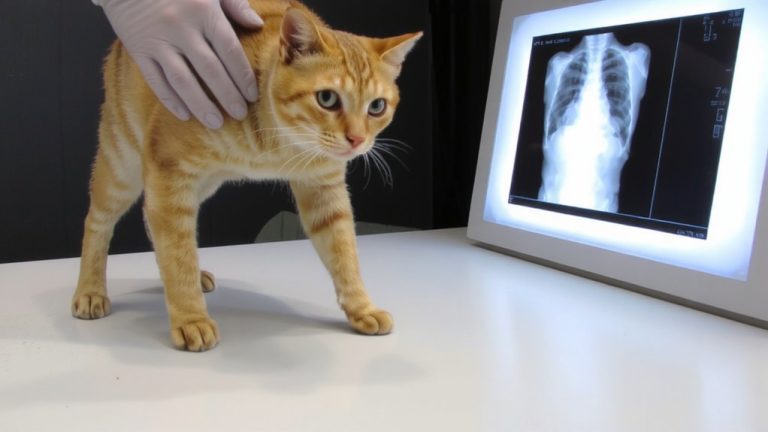
A definitive diagnosis starts with a colonoscopic biopsy, the gold standard for confirming canine granulomatous colitis. Your vet will collect tissue from multiple colonic regions-even if the mucosa looks normal-because lesions can be patchy. Histopathology reveals histiocytic inflammation in the lamina propria, often with transmural inflammation and macrophages packed with intracellular bacteria. A full-thickness biopsy may be needed if endoscopic samples are inconclusive. Bacterial culture of the tissue checks for adherent-invasive E. coli (AIEC), the suspect pathogen linked to this disease. PCR testing backs up culture results by detecting pathogenic E. coli strains in biopsy samples. Together, colonoscopic biopsy, bacterial culture, and PCR testing give you a clear picture. These steps confirm the diagnosis so you can move forward-without guesswork-knowing exactly what your dog’s body is fighting.
Treating Granulomatous Colitis: Antibiotics and Diet
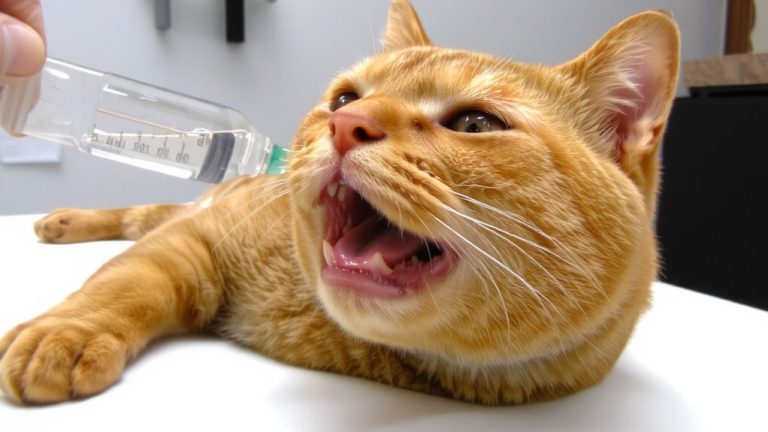
Now that you’ve confirmed granulomatous colitis through colonoscopic biopsy, culture, and PCR testing, the focus shifts to effective treatment. Your dog’s colonic tissue likely harbors invasive E. coli, so enrofloxacin-5–20 mg/kg orally once daily for about 8 weeks-is the preferred antibiotic treatment. This regimen offers excellent, durable responses, often leading to long-term remission. A bacterial culture from colonic tissue helps confirm the pathogen and guide therapy. Unlike other colitis forms, granulomatous colitis typically doesn’t respond to immunosuppressive drugs, metronidazole, tylosin, sulfasalazine, high-fiber diets, or hypoallergenic diet. Dietary therapy alone won’t resolve it. While current treatment is effective, ongoing research explores E. coli vaccination, genetic testing, and new antibiotics for resistant cases. Stick to enrofloxacin as directed-it’s your best shot at beating granulomatous colitis.
On a final note
You’ve got this, pet parent. Catching granulomatous colitis early in Boxers or Frenchies means quicker relief. Watch for chronic diarrhea, weight loss, or bloody stools. A vet confirms it with colon biopsy and mycobacterial culture. Treatment? Long-term antibiotics like enrofloxacin (5 mg/kg daily) plus a hydrolyzed protein diet-Royal Canin Vet Diet or Hill’s z/d-cuts inflammation fast. Real owners report 80% improvement within 3 weeks. Stay consistent, stick to the plan, and keep follow-ups close.