Recognizing the Signs of Anemia in Pets and When to Seek Veterinary Help
If your pet has pale gums, seems unusually tired, or breathes fast, they might be anemic. These signs mean their red blood cells aren’t delivering enough oxygen. Black, tarry stools suggest bleeding, while jaundice hints at cell destruction from toxins or infections like Babesia. Immediate help is essential if they collapse or faint. Anemia points to serious causes like kidney disease, parasites, or immune disorders. Spotting these early signs improves outcomes, and knowing what happens next helps you act fast.
We are supported by our audience. When you purchase through links on our site, we may earn an affiliate commission, at no extra cost for you. Learn more. Last update on 19th July 2026 / Images from Amazon Product Advertising API.
Notable Insights
- Pale gums in pets signal anemia and reduced oxygen delivery, warranting prompt veterinary evaluation.
- Lethargy and weakness may indicate low red blood cell counts, especially if worsening over time.
- Rapid breathing or increased heart rate can reflect moderate to severe anemia requiring immediate attention.
- Black, tarry stools suggest gastrointestinal bleeding, a serious cause of regenerative anemia in pets.
- Collapse, labored breathing, or jaundice with pale gums demands emergency veterinary care due to life-threatening anemia.
What Is Anemia in Pets?
Think of anemia in your pet as a red flag, not the problem itself but a clear signal that something’s off under the surface. Anemia in pets means you’re seeing a drop in circulating red blood cells or hemoglobin, which directly limits oxygen delivery to tissues. It’s never a standalone disease-it’s a sign of an underlying condition. Whether from blood loss, destruction of red blood cells, or decreased production, your pet’s body isn’t keeping up. If the bone marrow responds by making new cells, it’s regenerative anemia; if not, it’s nonregenerative anemia. Red blood cells usually last about three months, so a disruption in replacement matters fast. Catching the cause early-like infection, toxicity, or organ disease-gives your pet the best shot at recovery.
Signs of Anemia in Dogs and Cats
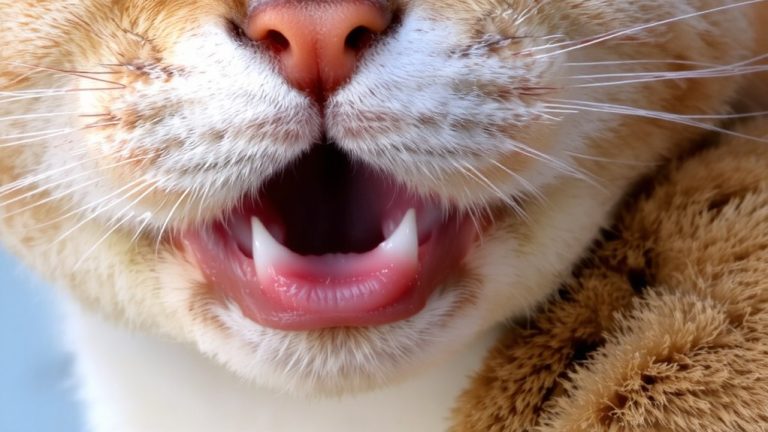
You’ll want to keep an eye out for pale or white gums in your dog or cat, since that’s one of the clearest visual cues of anemia-red blood cell levels have dropped enough that oxygen isn’t reaching tissues efficiently. Pale gums, lethargy, and weakness are common signs of anemia, often linked to a low red blood cell count. You might also notice rapid breathing or an increased heart rate, especially if anemia in dogs or cats is moderate to severe. Black, tarry stools suggest gastrointestinal bleeding, a possible cause of regenerative anemia. Jaundice, with yellow-tinged gums or skin, signals red blood cell destruction from infections like Mycoplasma haemofelis or toxin exposure. These signs of anemia shouldn’t be ignored-early detection improves outcomes.
When to Seek Emergency Care for Anemia
Pale gums, tiredness, and slow movements may have tipped you off that something’s wrong, but knowing when to act fast can make all the difference. If your pet shows signs of severe anemia-like collapse, labored breathing, or black tarry stools-seek emergency care immediately. These symptoms suggest a critical drop in red blood cell count, possibly from internal bleeding or rapid cell destruction. Jaundice alongside pale gums means red blood cells are breaking down fast, and without treatment, this can be fatal. Don’t wait if your pet faints during light activity-it may need blood transfusions right away.
| Symptom | What It Means | Action Needed |
|---|---|---|
| Black tarry stools | GI bleeding, severe anemia | Go to vet now |
| Labored breathing | Low oxygen due to low red blood cell count | Emergency care |
| Collapse or jaundice | Critical anemia, possible internal bleeding | Immediate vet evaluation |
Blood Loss: Trauma, Parasites, and Internal Bleeding
While blood loss might not always be obvious, it’s one of the most common causes of anemia in pets, and understanding the sources-whether from trauma, parasites, or internal bleeding-can help you take fast, effective action. Acute trauma or surgery can remove over 30–40% of your pet’s blood volume, leading to shock or worse. Chronic blood loss, like from gastrointestinal ulcers or tumors, causes internal bleeding often seen as black, tarry stools. Heavy hookworm infestations or severe tick infestations slowly deplete red blood cells, especially in puppies, resulting in iron-deficiency anemia with small red blood cells. Fleas and other parasites contribute too, draining blood over time. Even if you don’t see wounds, chronic blood loss suppresses energy and oxygen flow. Regenerative anemia, confirmed by high reticulocyte counts, shows your pet’s body is trying to replace lost red blood cells.
Red Blood Cell Destruction: Immune and Infectious Causes
When your pet’s body starts destroying red blood cells faster than it can replace them, the result is hemolytic anemia-a serious condition that can stem from immune dysfunction or infectious agents. Immune-mediated hemolytic anemia (IMHA) is the most common cause of red blood cell destruction in dogs, where your pet’s immune system mistakenly targets its own cells, leading to regenerative anemia and high reticulocyte counts. This destruction of red blood, called hemolysis, can be primary or secondary to underlying conditions like FeLV, cancer, or certain drugs. Infectious parasites such as Mycoplasma haemofelis and Babesia cause hemolysis in cats and dogs, while toxins like onions or acetaminophen trigger oxidative damage and intravascular hemolysis. If you notice pale gums, lethargy, or jaundice, seek help fast-early treatment is critical to managing immune system overreactions and parasitic infections.
Low RBC Production: Kidney Disease and Bone Marrow Failure
If your pet’s red blood cells aren’t being made fast enough, it’s often due to underlying issues like kidney disease or bone marrow failure, both of which trigger nonregenerative anemia-a condition where reticulocyte counts stay low because the marrow isn’t responding as it should. Chronic kidney disease reduces erythropoietin, the hormone that drives red blood cell production, leading to a decreased number of red blood cells in 30–65% of affected cats. This lack of production means your pet’s body can’t keep up with demand. Bone marrow disorders like myelodysplasia or pure red cell aplasia also disrupt normal function, suppressing red blood cell production. A bone marrow biopsy may be needed to identify the underlying cause. Nonregenerative anemia is serious, often linked to long-term inflammation or viral infections like FeLV. Addressing the root issue-whether kidney disease or marrow failure-is essential to restoring health and energy.
How Vets Diagnose Anemia in Pets
Your pet’s energy levels, gum color, and overall liveliness can signal something’s off, and anemia might be the culprit. Vets confirm anemia diagnosis with a packed cell volume (PCV) test-below 35% in dogs means anemia. A complete blood count assesses red blood cells, hemoglobin, and reticulocyte count to distinguish regenerative anemia from non-regenerative anemia. Here’s how vets narrow it down:
| Test | Purpose | Outcome Insight |
|---|---|---|
| Blood Smear | Find parasites or abnormal cells | Flags infections like Mycoplasma haemofelis |
| Coombs Test | Check for immune-mediated hemolytic anemia | Confirms immune attack on red blood cells |
| Bone Marrow Biopsy | Evaluate stem cell function | Rules out cancer or myelodysplasia |
If your pet has regenerative anemia, the body’s responding; with non-regenerative anemia, deeper issues like kidney disease may be blocking red blood cell production.
On a final note
You’ve got the tools to spot anemia early-check gums, energy, and appetite daily. If they look pale, act tired, or eat less, blood loss, illness, or kidney issues could be the cause. Don’t wait: seek vet care fast if breathing is labored or collapse occurs. Your proactive eye, combined with regular checkups and parasite preventatives like NexGard or Revolution, keeps risks low. A balanced, iron-rich diet supports red blood cells; vets may recommend FortiFlora or blood tests every 6 months for seniors.