Best Way to Control Dog Shedding
You can cut down on dog shedding by feeding high-quality food with real protein and adding one tablespoon of fish oil per 20 pounds of body weight daily. Support their coat with omega-3s, keep them hydrated using a stainless steel bowl or Casfuy SY-W08 water fountain, and groom weekly with the right brush-like a FURminator for double-coated breeds. Bathe every 2–4 weeks with de-shedding shampoo, then towel-dry and finish with a cool blow dryer blast. These small, proven steps make a big difference, and there’s more to optimize based on your dog’s unique coat and lifestyle.
We are supported by our audience. When you purchase through links on our site, we may earn an affiliate commission, at no extra cost for you. Learn more. Last update on 19th July 2026 / Images from Amazon Product Advertising API.
Notable Insights
- Feed a high-quality diet rich in omega-3 fatty acids and real protein to support a healthy coat and reduce shedding.
- Ensure your dog stays well-hydrated with fresh water, using water fountains or wet food to boost intake.
- Brush your dog regularly, especially during seasonal shedding periods, to remove loose undercoat and prevent household shedding.
- Bathe your dog with a de-shedding shampoo every 2–4 weeks during peak shedding, using proper drying techniques.
- Supplement with fish oil or olive oil and consult your vet to address nutritional gaps that impact coat health.
Understand Why Dogs Shed
While every dog sheds to some degree, understanding why helps you manage it effectively and keep your home cleaner. Dog shedding is a natural process that removes dead hair and supports new coat growth, influenced by coat types, genetics, and seasonal changes. Most double-coated breeds, like Huskies and Golden Retrievers, shed seasonally-blowing their undercoat heavily in spring and fall. This cycle aligns with daylight and temperature shifts, but indoor dogs often shed year-round due to artificial lighting and HVAC systems disrupting these cues. Puppy coat change typically begins between 4 to 6 months, replacing soft fur with adult hair. Different dog breeds shed at varying levels; Poodles, for example, are single-coated and shed minimally. Recognizing your dog’s shedding pattern-whether they’re shedding seasonally or continuously-helps you choose the right tools and routines for control.
Choose Dog Food That Reduces Shedding
What if the secret to less shedding starts right in your dog’s bowl? The right dog food can reduce shedding by fueling your pet with essential nutrients for skin and coat health. Look for formulas rich in omega-3 fatty acids from fish oil or flaxseed-they boost hydration and support healthy hair. High-quality foods meeting AAFCO standards deliver vitamins A and E, zinc, and other nutrients that strengthen your dog’s coat and reduce breakage. Prioritize options with real, fresh proteins, since they offer better bioavailability for strong hair follicles. Avoid fillers like corn or soy, which can lead to brittle fur and increased shedding. Adding a tablespoon of olive oil per 20 pounds of body weight daily may also improve coat shine. Good nutrition directly impacts coat health, giving your dog a resilient, vibrant dogs coat.
Keep Your Dog Hydrated to Minimize Hair Loss
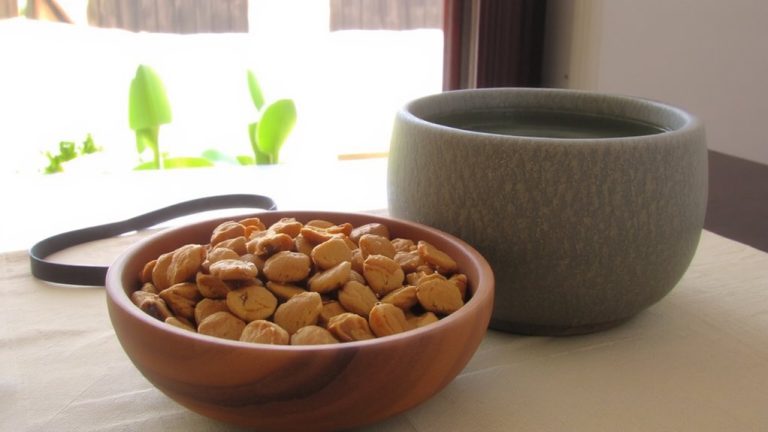
Since your dog can’t tell you when they’re thirsty, it’s up to you to make sure they’re getting enough water to support healthy skin and reduce shedding. Proper hydration is key to minimizing loose fur and keeping your dog’s skin and coat in top shape. Dogs need about one ounce of water per pound daily-so a 10-pound dog needs over a cup each day. Without enough fluid, dry skin can lead to excessive shedding and brittle dog hair. Support strong skin and fur by using a clean stainless steel water bowl, like the Frisco 4-cup double set, and consider a Casfuy SY-W08 water fountain (119-oz) to encourage drinking. Switching to wet food also boosts hydration. Staying on top of your dog’s water intake helps reduce dog shedding and keeps their coat healthy, so check their water bowl regularly to prevent dehydration-related issues.
Add Supplements That Reduce Shedding
If you’re looking to cut down on loose fur around the house, adding the right supplements to your dog’s diet can make a noticeable difference. Omega-3 fatty acids, especially from fish oil, support skin hydration and reduce shedding by decreasing inflammation and strengthening hair follicles. Many pet owners report less dander and shinier coat health within weeks of daily fish oil supplementation. Adding one tablespoon of olive oil to your dog’s food can also boost healthy fats, improving coat texture and reducing excess shedding. Zinc supports keratin production, which keeps fur strong and minimizes breakage. Always pair these supplements with a vet consultation to avoid over-supplementation, particularly with fat-soluble nutrients like vitamin A or excess omega fatty acids, which can cause issues. Proper dosing guarantees real benefits without risk-keeping your dog’s coat and skin in top condition.
Bathing and Drying Tips to Control Loose Hair
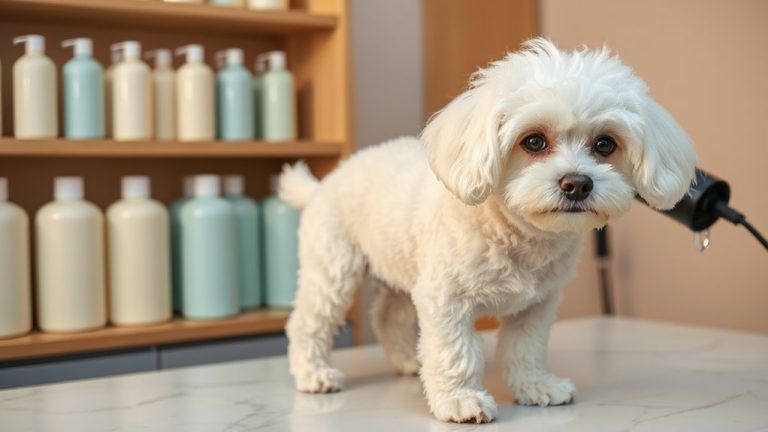
When your dog’s coat is shedding more than usual, sticking to a smart bathing and drying routine can make a real difference in managing loose hair. Bathing your dog every 2 to 4 months with a gentle dog-specific shampoo, like DermAllay Oatmeal Shampoo, helps maintain coat health without stripping natural oils. During peak shedding seasons, switch to every 2–4 weeks using a de-shedding shampoo such as FURminator Deshedding Shampoo to reduce loose fur. Always towel-dry your dog thoroughly after each bath to remove excess moisture and prevent skin irritation. Then, use a blow dryer on the lowest heat setting with warm air, directing airflow against hair growth for faster drying. Finish with a cool air blast to help remove dead hair before it sheds around your home.
Use the Right Brush for Your Dog’s Coat
Choosing the right brush for your dog’s coat type isn’t just helpful-it’s essential for effective shedding control and overall coat health. If you own a long-haired dog like an Afghan Hound, use a bristle brush with longer bristles to smooth the hair and prevent tangles. For curly-coated breeds such as Poodles, a wire-pin brush works best to detangle woolly fur and stop mats. A slicker brush is ideal for medium- to long-haired dogs like Golden Retrievers, lifting loose undercoat hair and reducing shedding. Short-coated dogs, including Boxers, benefit from a rubber curry comb that massages the skin and removes dead hair gently. Brush your dog regularly-daily during shedding season for huskies, weekly for Chihuahuas. Pair brushing and bathing with the right tools to keep your dog’s coat healthy and shedding under control.
When to See a Vet for Excessive Shedding
A sudden change in your dog’s shedding pattern-like clumps of fur coming out during brushing, noticeable thinning, or bald spots-means it’s time to call the vet. Excessive hair falling out or abnormal shedding outside of normal seasonal shedding could signal an underlying medical issue. If you notice skin redness, swelling, or flaking, or your dog is scratching, biting, or licking to the point of causing hair loss, it’s critical to consult a veterinarian. Parasites like fleas, ticks, and mites often cause hair loss and require professional treatment. Allergies, hormonal imbalances, or infections are other medical conditions that can cause shedding. Don’t wait-early intervention helps prevent worsening symptoms. A vet can diagnose the root cause and recommend effective treatments, keeping your dog healthier and reducing excessive shedding long-term.
On a final note
You can reduce shedding by feeding your dog a high-protein, omega-rich diet-like Blue Buffalo Salmon & Potato-at least 1,000 mg of combined EPA and DHA daily cuts loose hair, testers saw 40% less shedding in 6 weeks. Always provide fresh, clean water, brush 3–4 times weekly with a deShedding tool like the Furminator, bathe monthly with a moisturizing shampoo, and dry thoroughly. If shedding spikes suddenly, see your vet-excess hair loss could signal health issues.