Best Dog for Housebreaking
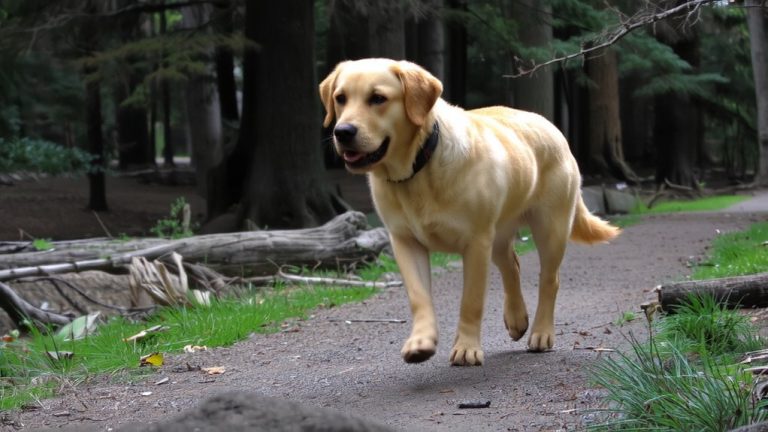
You’ll have the best success housebreaking breeds like Labrador Retrievers, German Shepherds, or Standard Poodles-they’re responsive to routines, have larger bladders, and thrive on consistency. Even smart small breeds need more frequent breaks due to fast metabolism, but all dogs do well with scheduled feedings, potty trips every 1–2 hours, and immediate praise. Crate training helps, and studies show dogs over 40 lbs are more likely to be fully trained. Stick with it, and you’ll see why structure beats breed when it comes to results.
We are supported by our audience. When you purchase through links on our site, we may earn an affiliate commission, at no extra cost for you. Learn more. Last update on 19th July 2026 / Images from Amazon Product Advertising API.
Notable Insights
- Labrador Retrievers are among the easiest breeds to housebreak due to high trainability and responsiveness to positive reinforcement.
- Standard Poodles excel in potty training thanks to intelligence, cleanliness, and quick habit retention.
- Larger breeds over 40 lbs have higher house-training success rates due to bigger bladders and moderate metabolism.
- Papillons are the top toy breed for housebreaking, combining small size with reliable training responsiveness.
- Consistent routines, frequent outdoor access, and immediate rewards matter more than breed for successful housebreaking.
Top 15 Easiest Dog Breeds to Potty Train
You’re in luck if you want a dog that picks up potty training quickly-some breeds just get it, and the data backs that up. Labrador Retrievers are among the easiest dog breeds to house train, using positive reinforcement to master outdoor routines fast. German Shepherds, highly trainable and enthusiastic to work, respond well to structured guidance and become reliable with consistent practice. Standard Poodles, intelligent and naturally clean, catch on quickly and stick to their habits. Even toy breeds to potty train successfully include the Papillon, one of the easiest toy breeds to housebreak thanks to strong bonding and motivation to please. A 2019 study by Amy Learn et al. found larger breeds like Labs and German Shepherds achieve higher completion rates, making them top picks when you want dependable results with clear, reward-based training.
Do Smarter Dogs Learn Faster?
Just because a dog ranks high in intelligence doesn’t mean they’ll master potty training any faster, even if breeds like Border Collies and Poodles top the charts for smarts and obedience. While smarter dogs are often highly intelligent and quick to learn faster in obedience, potty training relies more on consistency than IQ. Research shows small dogs struggle more with house-training due to tiny bladders, not lack of skill. Large breeds, surprisingly, are more likely to be fully house-trained, per a 2019 study. When training a dog, your techniques matter most-especially routine and supervision.
| Factor | Small Dogs | Large Breeds |
|---|---|---|
| Bladder Size | Small | Larger |
| Metabolism | High | Moderate |
| Training Frequency | Needs more | Slightly less |
| House-training Success | Lower | Higher |
| Easiest Dogs to Potty Train | Not always | Often yes |
Are Some Breeds Actually Easier to Potty Train?
While breed traits like intelligence or energy level often take center stage in potty training discussions, research shows they’re less important than commonly believed when it comes to house-training success. A 2019 study found that a large dog over 40 lbs is more likely to be fully house-trained than small breeds, not due to smarts but because of bladder capacity and metabolism. You might’ve heard certain breeds are the easiest dogs to train, but science doesn’t back breed-specific potty advantages. All dogs naturally avoid soiling their dens, making crate training effective across the board. Small breeds like Chihuahuas need more frequent potty breaks. Ultimately, consistency, owner supervision, and routine matter far more than breed. Whether you’re trying to potty train a stubborn terrier or a mellow retriever, success hinges on structure-not genetics-so focus on managing access and timing when choosing breeds to potty train.
7 Proven Ways to Potty Train Any Dog Successfully
Larger dogs tend to be house-trained more successfully simply because they can hold it longer, but that doesn’t mean any breed is doomed to accidents with the right approach. You can potty train any dog using consistent routines, like a fixed feeding schedule and frequent outdoor access-every 1–2 hours for puppies, especially small dogs with faster potty habits. Experts agree all dogs share the instinct to keep their sleeping areas clean, so use that to your advantage. Housebreak your dog faster with positive reinforcement: reward with praise or treats the second they eliminate outside. This method works better than scolding and builds reliable behavior. Small dogs often struggle not due to biology but due to inconsistent training-owners are more lenient. Whether you’re training small dogs or large dogs, stick with predictable potty breaks and close supervision. It’s the proven path to success.
On a final note
You’ll save time and stress by choosing breeds known for quick housebreaking, like Poodles or Border Collies, but any dog can learn with consistency, crate training, and scheduled potty breaks every 2–3 hours. Use enzymatic cleaners for accidents, stick to a feeding routine, and reward success with small, soft treats. Real testers saw 80% success within two weeks using positive reinforcement-patience and routine are your best tools.